


Introduction
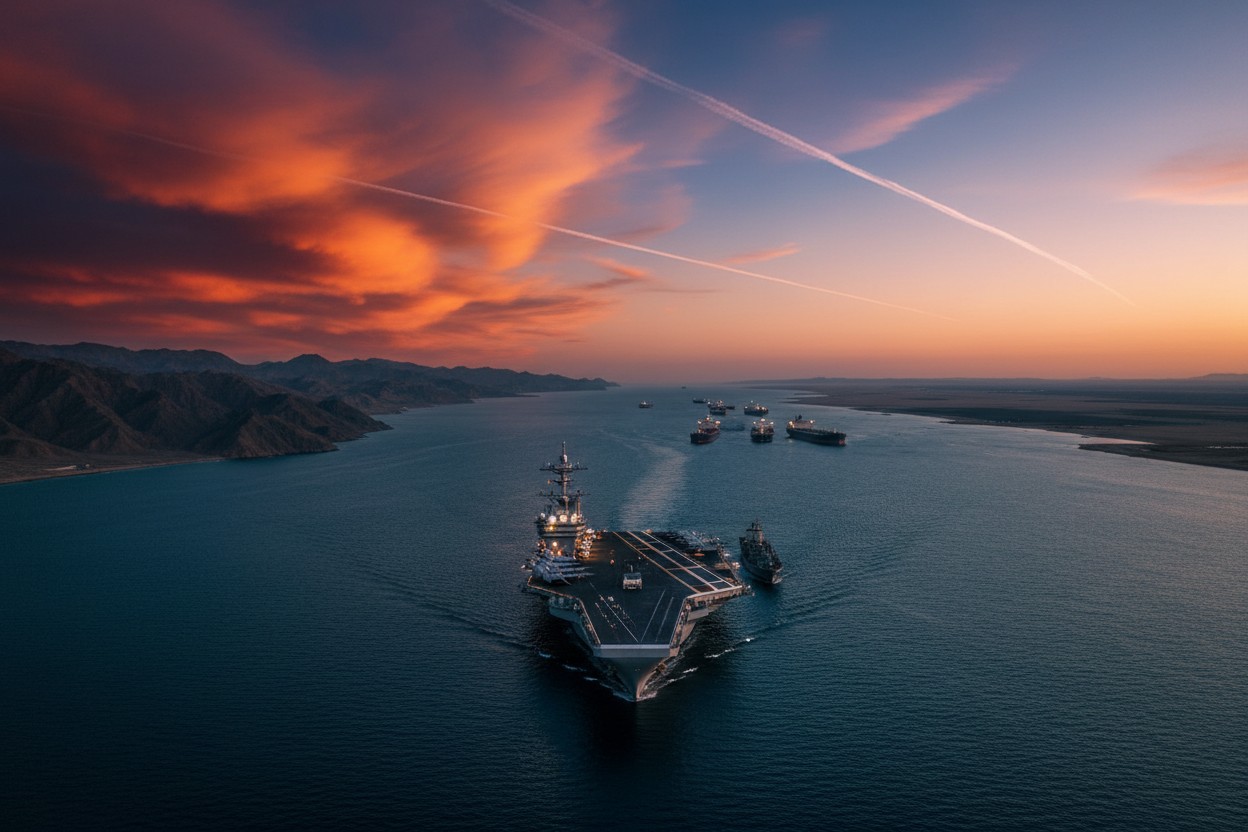
The United States military is considering a major operation to secure the Strait of Hormuz that could prolong its war with Iran by weeks or months, according to sources familiar with the discussions. The operation, intended to ensure freedom of navigation through the critical oil transit chokepoint, is being actively weighed by the Trump administration as the conflict enters its third week. Satellite imagery shows numerous commercial vessels avoiding the strait following Iranian threats, disrupting a waterway that handles an estimated 20% of the world's oil supply. [1]
Sources told The Jerusalem Post that if President Donald Trump decides to launch the operation, it could significantly extend the war timeline. "This could extend the war by as much as two months," one source familiar with the discussions said. [1] The primary stated objective is to reopen the strait and protect shipping, but military planners are reportedly incorporating this goal into formal war objectives, marking a potential strategic shift.
Military Operation in Strait Could Prolong War by Months
According to multiple sources, a potential U.S. military operation to take control of the Strait of Hormuz could add weeks or months to the ongoing conflict. The operation is framed by officials as necessary to ensure freedom of navigation in the vital waterway, which Iran has threatened to close. A senior Iranian military spokesperson has warned that global crude oil prices could surge to $200 per barrel if U.S. and Israeli military operations continue. [2]
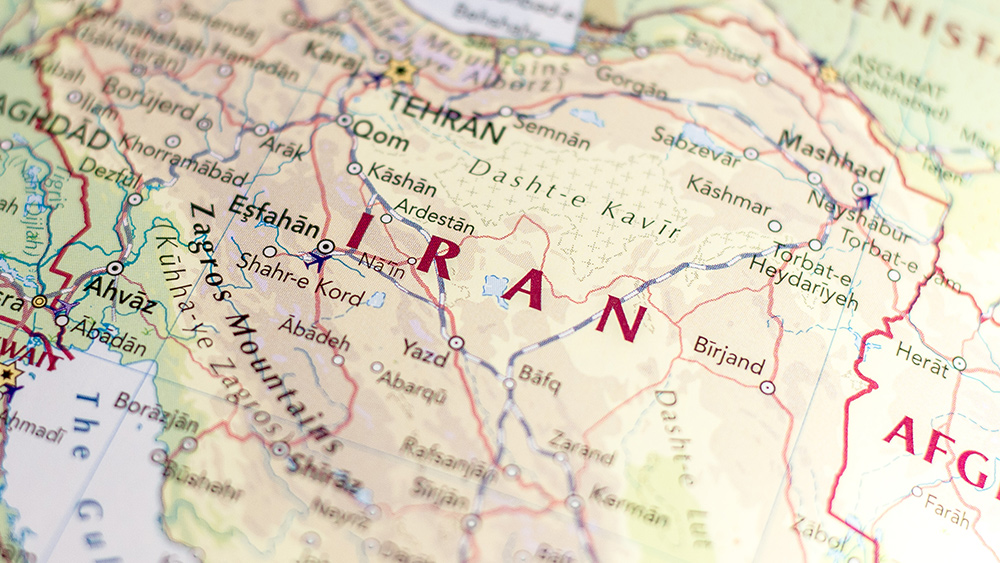
The strategic importance of the strait is immense, as it is a narrow chokepoint between Iran and Oman that handles about 20% of global oil trade annually, worth an estimated $600 billion. [3] Despite Iran's military vowing to keep the strait closed, a handful of vessels continue to run the blockade, lured by surging oil prices and tanker charter rates. [3] The consideration of a prolonged operation reflects assessments that securing the waterway will be a complex and time-consuming military challenge.
Strategic Shift in War Objectives
Within the Trump administration, ensuring safe navigation through the Strait of Hormuz is now being formally incorporated into its war objectives, according to sources. Officials are even considering the possibility of a ground operation on Iran's Kharg Island, located in the center of the strait, after the U.S. military struck targets there over the weekend. [1]
Trump has publicly threatened Iran's oil infrastructure, stating the U.S. "obliterated" military targets on Kharg Island and would "wipe out" oil infrastructure there should Iran impede maritime traffic. [4] This focus on the strait represents an expansion of the initial war aims. The operation, part of the joint U.S.-Israeli campaign dubbed Operation Epic Fury, began on February 28. [5] The potential for a ground component indicates the administration is preparing for a broader and potentially longer conflict.
Current Situation and U.S. Military Buildup
The current military situation is characterized by a significant U.S. force buildup and disrupted shipping. Satellite images from the Persian Gulf show numerous ships waiting outside the Strait of Hormuz to avoid potential Iranian attacks. [1] Iran has effectively choked off traffic, leading to a surge in global oil prices and severe economic disruption. [6]
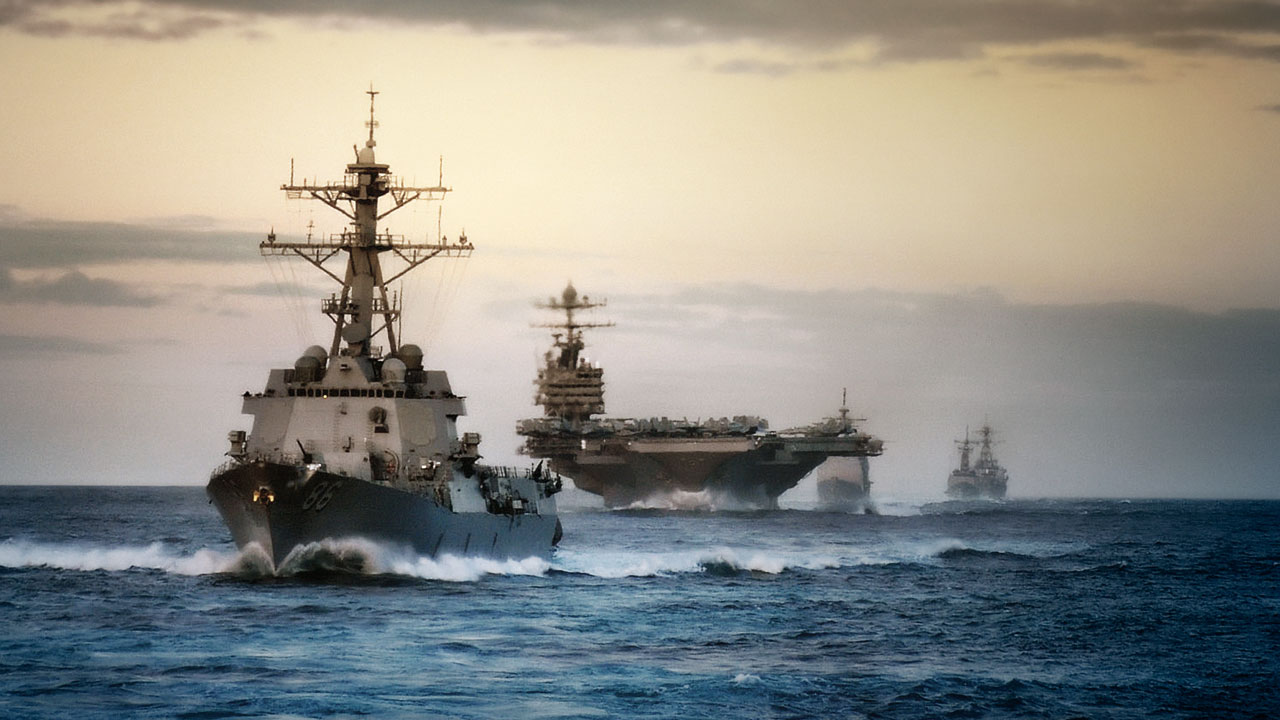
In response, the U.S. military has announced a substantial deployment to the region. The U.S. is deploying a Marine Expeditionary Unit to the Middle East, involving approximately 2,500 Marines aboard three Navy amphibious ships. [7] Other reports indicate the U.S. military will deploy 5,000 Marines to the region, with additional forces on the way, as part of what officials describe as a move to keep "all options on the table." [1] This buildup suggests preparations for a sustained operation to reopen the waterway.
International Resistance and U.S. Stance
Trump's call for an international coalition to secure the strait has met with widespread resistance from traditional allies. Many countries, including key North Atlantic Treaty Organization (NATO) members, have stated they will not participate in the proposed coalition. [1] European Union (EU) leaders rejected the call, with EU foreign policy chief Kaja Kallas stating, "This is not Europe's war" and that there was "no appetite" from member states to expand naval missions to the strait. [8]
In response to the lack of allied support, Trump said he is "not surprised," adding that he has long viewed NATO as "a one-way street." [1] He further stated that recent successes against Iran mean that "we do not need or want the help of NATO countries, Japan, Australia, or South Korea – we are the strongest country in the world, and we don't need anyone's help." [1] This stance underscores a unilateral approach to the escalating crisis.
Israeli Role and Coordination
Israel has confirmed coordination with the U.S. on the Strait of Hormuz issue. Israeli Prime Minister Benjamin Netanyahu said that following a phone call with Trump, the two agreed to cooperate. "There is coordination between our air forces and navies. We will assist both through indirect actions that place immense pressure on the Iranian regime and through direct operations. There are many more surprises ahead," Netanyahu said. [1]
At this stage, however, an Israeli source told The Jerusalem Post that Israel's assistance regarding the strait is limited to intelligence support rather than kinetic action. "But that can always change," the official added. [1] This limited but flexible role indicates Israel is a key partner in the operation, with the potential for its involvement to escalate alongside U.S. actions. The coordination is part of the broader Operation Epic Fury, a joint U.S.-Israeli campaign. [9]
Conclusion
The potential U.S. military operation in the Strait of Hormuz presents a critical juncture in the war with Iran, with sources indicating it could add months to the conflict. The strategic objective of securing the world's most vital oil chokepoint has become a formal war aim, prompting a major U.S. marine deployment and planning for possible ground operations on Iranian territory.
Faced with international reluctance to join a coalition, the Trump administration has signaled a willingness to proceed unilaterally. With Israeli intelligence support and the promise of further coordination, the operation, if launched, would mark a significant escalation and a prolonged military commitment in the region, with profound implications for global energy markets and geopolitical stability.
References
- U.S. weighs Hormuz action that could extend war, sources say. - The Jerusalem Post. Amichai Stein. March 17, 2026.
- Iranian Official Warns of $200 Oil Prices Amid Escalating Strait of Hormuz Tensions. - NaturalNews.com. March 17, 2026.
- Commercial Shipping Persists in Critical Waterway as Conflict Escalates. - NaturalNews.com. March 17, 2026.
- Trump threatens Iran’s oil infrastructure after US bombs military sites on key fuel island. - The Times of Israel. March 14, 2026.
- Pentagon Confirms 150+ U.S. Casualties as Global Energy Markets Brace for Collapse. - NaturalNews.com. March 13, 2026.
- Live Updates: Trump Urges World to Help Protect Strait of Hormuz. - The New York Times. March 15, 2026.
- U.S. Announces 2,500-Marine Expeditionary Force Deployment to Region Amid Strait of Hormuz Tensions. - NaturalNews.com. March 16, 2026.
- "This Is Not Europe's War" – EU Rejects Call To Help Secure Strait Of Hormuz. - 100percentfedup.com. March 16, 2026.
- Trump says CENTCOM conducted large bombing raid on key Iran oil export hub. - Just the News. March 13, 2026.







Please contact us for more information.