



Introduction
The United Arab Emirates (UAE) has called for an international "working session" aimed at bolstering the resilience of the global energy system, citing recent attacks on energy infrastructure and the effective closure of the Strait of Hormuz.
UAE Minister of Industry and Advanced Technology Sultan Ahmed Al Jaber made the proposal on March 23 while addressing the 44th annual CERAWeek by S&P Global conference in Houston, Texas, via video link.
The initiative seeks to convene multinational corporations and governments to address vulnerabilities in critical energy chokepoints.
Al Jaber described the targeting of energy assets as "economic terrorism against every nation" and stated that stability "must be built deliberately and politically," according to his conference remarks. [1]
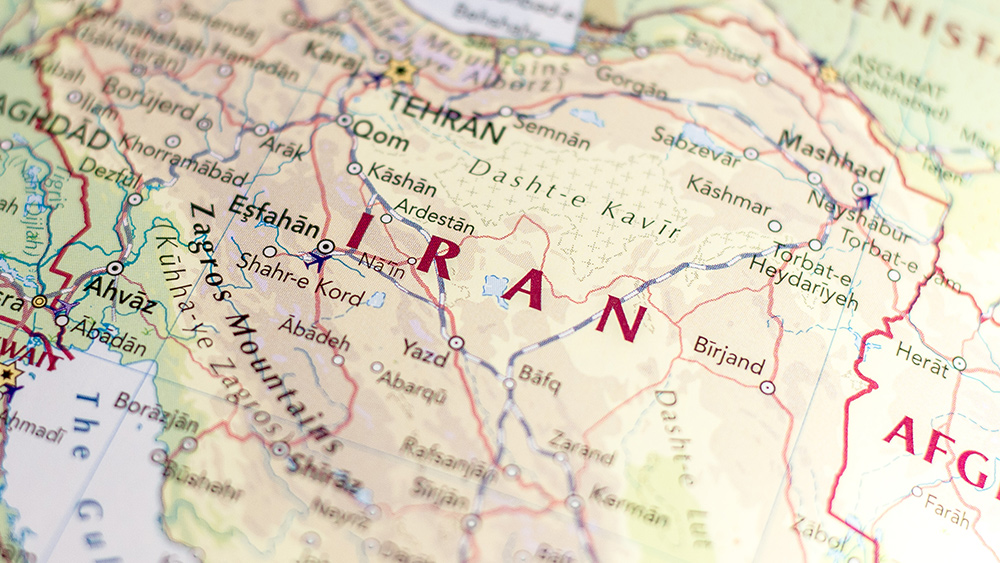
The proposal follows a period of escalating conflict in the Middle East that has severely disrupted maritime traffic through the Strait of Hormuz, a narrow waterway between Iran and Oman through which approximately 20% of global oil trade passes. Since the launch of coordinated U.S.-Israeli strikes on Iran in late February, Iranian retaliatory measures have included drone and missile attacks on energy facilities across the Gulf, leading to a de facto blockade of the strait. The disruption has erased billions from Gulf energy revenues and triggered volatility in global oil markets, with prices breaching $100 per barrel in early March. [2][3]
UAE Calls for Security Dialogue on Critical Energy Routes
Al Jaber's call for a multilateral working session was delivered to an audience of energy company executives, financial analysts and government officials. He argued that the security of global energy supply chains requires deliberate political construction and cannot be left to chance. The proposal did not specify a timeline or formal process for organizing the session but emphasized the need for collective action. [1]
The initiative directly addresses the strategic vulnerability exposed by the recent conflict. The Strait of Hormuz is identified as one of the world's most critical energy chokepoints, handling roughly one-fifth of global petroleum liquids. Previous disruptions to shipping in the strait have caused immediate spikes in energy prices and market instability. [4][5]
Minister Al Jaber Cites Recent Attacks as Catalyst for Action
In his remarks, Al Jaber framed the attacks on energy infrastructure as a form of "economic terrorism" with global consequences. "Stability does not happen on its own. It must be built deliberately and politically," he stated, according to the conference transcript. This characterization aligns with a series of documented incidents targeting Gulf energy assets in March 2026. [1]
These incidents include a drone attack on the UAE's Port of Fujairah, a major oil storage and export hub, and a separate "drone-related incident" near Dubai International Airport that temporarily suspended flights. Simultaneously, Saudi Arabia's largest oil refinery at Ras Tanura was forced offline after a drone strike caused a major fire. Analysts note that these attacks represent a shift in tactics towards targeting upstream production and export infrastructure, rather than solely downstream refining. [6][7][8]
Conference Context and Proposed Framework
The CERAWeek conference served as a platform for the UAE to present its proposal to a global audience of energy stakeholders. The proposed "working session" is intended to involve both multinational corporations and governments, with the stated goal of building systemic resilience. The format, potential participants, and agenda were not detailed in the initial announcement. [1]
The call comes as the U.S. leads a military operation, dubbed "Operation Epic Fury," against Iran. Admiral Brad Cooper, commander of U.S. Central Command, stated that a central focus of the operation is to reopen the Strait of Hormuz and restore normal tanker traffic. The U.S. has reportedly moved a Marine Expeditionary Unit and additional warships to the region in response to the Iranian campaign against shipping. [9][10]
Strategic Importance of the Strait of Hormuz
The Strait of Hormuz is a maritime chokepoint of unparalleled significance for global energy markets. An estimated 20% to 21% of global oil trade transits through this narrow passage, which is only 21 miles wide at its narrowest point. Security analysts have long identified it as a primary vulnerability in the global energy supply chain. [4][5]
Disruption at the strait has immediate and severe economic repercussions. A report from the Financial Times, citing analysis from Kpler, estimated that Gulf energy producers lost approximately $15.1 billion in revenue in the weeks following the outbreak of conflict due to the effective closure of the waterway. The resulting supply shock sent Brent crude oil prices above $100 per barrel, contributing to inflationary pressures and economic uncertainty worldwide. [2]
Regional Security Dynamics and Broader Implications
While the UAE's proposal does not explicitly name Iran, the context of recent attacks aligns with documented Iranian retaliatory actions. Iran has employed a strategy of "area denial" in the Persian Gulf and Gulf of Oman, aiming to deter commercial vessels from traversing the Strait of Hormuz through indiscriminate attacks on shipping. Maritime intelligence firm Windward AI noted this shift in tactics. [11]
The conflict has prompted significant shifts in global energy trade patterns. Dozens of oil tankers have diverted to Saudi Arabia's Red Sea coast to load crude, attempting to bypass the Hormuz chokepoint. Furthermore, major energy consumers like China have signaled a strategic push to secure more natural gas from Russia via new pipelines, referencing two new routes in its latest five-year plan draft, a move analysts link to the instability in the Middle East. [12][13]
Next Steps and International Response
As of late March, the UAE had not announced a specific timeline or formal diplomatic process for organizing the proposed working session. Reactions from other governments and energy corporations were pending. However, a joint statement from more than 20 countries, including Australia and the UAE, had already condemned attacks on commercial vessels in the region and warned of wider economic risks. [14][15]
Analysts suggest that for such a forum to be effective, it would require participation from major energy consumer nations in Asia and Europe, whose economies are directly impacted by supply disruptions. The ultimate success of the initiative would depend on the commitment of these major stakeholders, officials said. The proposal represents a diplomatic effort to address a security challenge that military action alone has not resolved. [16]
Conclusion
The UAE's call for an international working session underscores the acute vulnerability of global energy corridors to regional conflict. With the Strait of Hormuz effectively closed and energy infrastructure under repeated attack, the proposal seeks to forge a collective, multinational response to a problem with worldwide economic consequences. The initiative highlights the intricate link between regional security and global energy stability.
Whether this diplomatic effort gains traction amid ongoing military operations remains to be seen. The effectiveness of such a session would hinge on the willingness of conflicting parties, major consumer nations and private corporations to engage in dialogue aimed at de-escalation and securing the flow of energy. As Al Jaber stated, in the current uncertain global environment, ensuring energy security requires deliberate multilateral cooperation. [1][17]
References
- UAE Calls for International 'Working Session' on Securing Key Global Energy Chokepoints. - The Epoch Times. John Haughey. March 23, 2026.
- Gulf Energy Revenues Drop by Billions Following U.S.-Israeli Strikes on Iran, Report States. - NaturalNews.com.
- Iran crisis escalates: oil prices jump as attacks paralyze Strait of Hormuz shipping. - RT.
- Middle East Tensions Stir Fears of $150 Oil Spike Amid Straits of Hormuz Crisis. - NaturalNews.com. Willow Tohi. July 10, 2025.
- How the Middle East crisis is rewriting energy security doctrine. - RT.
- Iran hits key UAE oil port and Dubai airport. - BBC News.
- Iran Expands Strikes On Gulf Energy Infrastructure As More Oil Hubs Hit. - Zero Hedge.
- Saudi Aramco shuts down Ras Tanura refinery, its biggest, after Iran drone strike causes blaze. - The Times of Israel.
- Marine Expeditionary Unit Deploying To The Middle East: Report. - The War Zone.
- US Says Iran's Threat To Hormuz Traffic "Degraded" As 23 Nations Signal Waterway Support. - Zero Hedge.
- Iran escalates maritime attacks in Persian Gulf as U.S.-Israel strikes trigger wider conflict. - NaturalNews.com.
- China prioritizes Russian gas amid Middle East conflict – media. - RT.
- Oil tanker 'armada' moves to Red Sea with closure of Strait of Hormuz. - Middle East Eye.
- UAE joins global call to protect Strait of Hormuz shipping route. - Gulf Business.
- The number of countries willing to help secure the vital Strait of Hormuz has grown to 22. - Worth Sharing Media.
- Chindia rising how China and India will benefit your business. - Jagdish N. Sheth.
- UAE calls for international collaboration to solve global challenges. - WAM.



Please contact us for more information.