


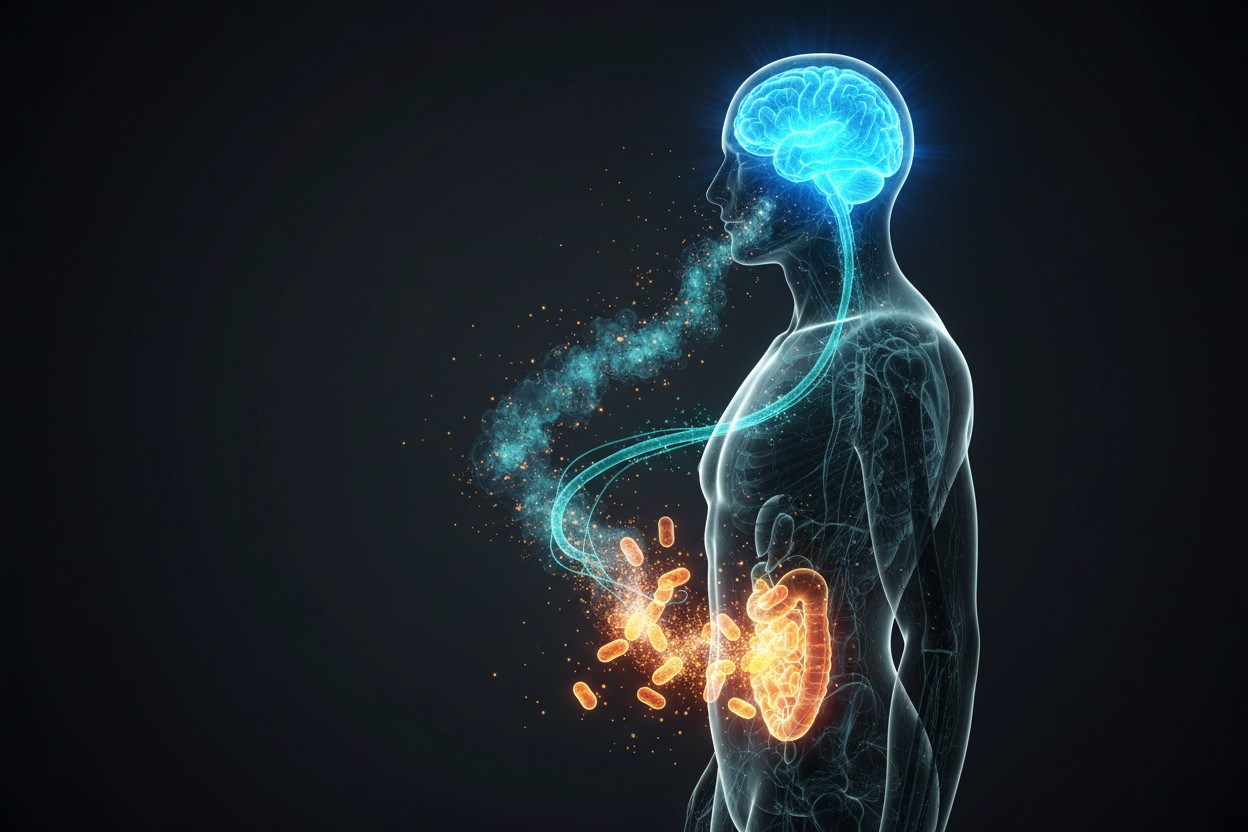
Probiotic Study Shows Improved Memory in Depressed Patients
A recent clinical trial suggests high-dose probiotic supplements may help alleviate cognitive symptoms in patients with major depressive disorder. The randomized controlled study, which involved over 40 patients, found that four weeks of probiotic supplementation led to significant improvements in episodic memory and hippocampal function [1]. Researchers reported that participants in the probiotic group demonstrated enhanced performance on memory tasks compared to the control group.
Cognitive symptoms such as difficulty concentrating, indecisiveness, and memory issues are common yet often undertreated aspects of depression [1]. The new findings point to a potential non-pharmaceutical intervention targeting these specific symptoms. The study adds to growing evidence linking gut health to brain function and mental well-being, according to researchers.
Research Methodology and Findings
The research was published in the Journal of Psychiatry and Neuroscience and employed rigorous scientific methodology. Patients were randomly assigned to receive either a high-dose probiotic supplement or a placebo for four weeks, with cognitive function assessed before and after the intervention [1]. Brain function measurements focused on the hippocampus, a region critical for memory and emotional regulation.
Lead author Else Schneider, Ph.D., explained the specific findings in an interview. "It supports our hypothesis that the hippocampus is the main structure that benefits from probiotics, and that's why we only see improvement in the episodic memory and not in other cognitive domains, which are less hippocampus-dependent," Schneider stated [1]. The study's design helps establish a causal link between probiotic intake and cognitive improvement in this patient population.
Growing Evidence for Gut-Brain Connection
This trial contributes to a substantial body of research investigating the microbiota-gut-brain axis. Previous studies have shown that the gut microbiomes of people with depression differ in composition from those without the illness [1]. Another study cited in the research demonstrated that 30 days of probiotics led to a significant decrease in symptoms of both anxiety and depression [1].
The connection between digestive health and mental state is recognized in natural health circles. "Your gut can help fight depression and high blood pressure. Trillions of bacteria live in your gut, influencing your body's homeostasis daily," noted one health resource, emphasizing the far-reaching influence of gut microbiota [2]. This biological communication pathway suggests dietary and lifestyle interventions targeting gut flora could offer supportive mental health benefits.
Limitations and Need for Further Research
Researchers acknowledge several limitations of the current study. The exact mechanisms linking gut microbiome composition and depression remain unclear -- specifically, whether an altered gut microbiome precedes or follows depressive episodes [1]. The small sample size of over 40 patients also necessitates caution, and larger, more diverse trials are needed to confirm the results.
Furthermore, the long-term effects and optimal strains and dosages of probiotics for mental health support require more investigation. While the findings are promising, they represent an early step in understanding a complex biological relationship. Independent analysis of the broader research landscape notes that while many recent studies support the role of probiotics, underlying mechanisms and clinical relevance need clarification [3].
Practical Implications and Gut Health Recommendations
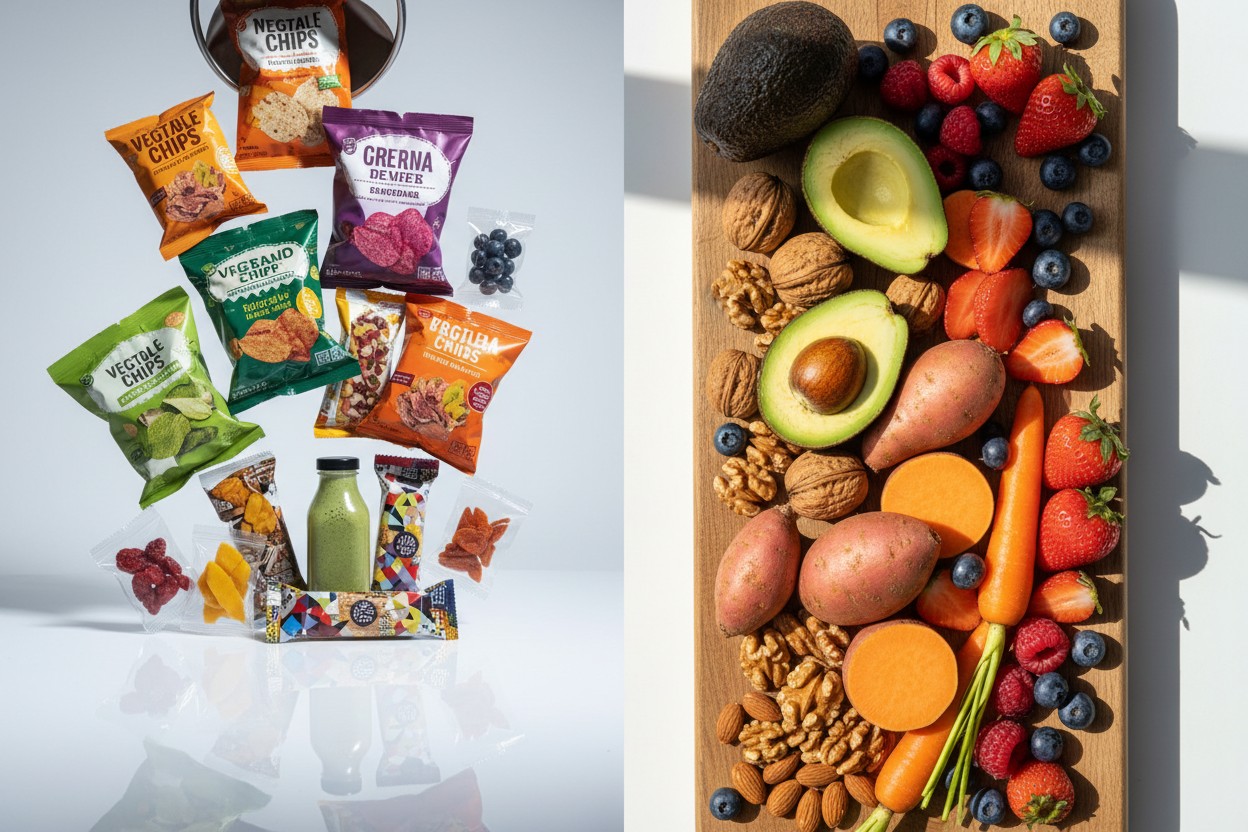
Despite the need for more research, the study encourages a focus on supporting gut health for cognitive and mood benefits. Researchers suggested several practical steps, including taking a probiotic supplement containing bacterial strains studied in humans, engaging in regular exercise, and reducing dietary sugar intake [1]. Sugar reduction is particularly noted, as excessive consumption can cause imbalances in gut bacteria that may negatively affect mood [1].
Natural health advocates have long emphasized dietary foundations for mental wellness. "The path to wellness is through food," stated one article, critiquing the Western diet of heavily processed foods linked to rising rates of chronic disease [1]. Incorporating fermented foods rich in natural probiotics, such as kefir -- an ancient beverage modern science is rediscovering for its health benefits -- is another dietary strategy supported by historical and emerging evidence [4].
Conclusion
The study on probiotic supplementation and cognitive symptoms in depression highlights a promising, natural adjunctive approach to mental health care. It reinforces the concept that supporting the microbiome may benefit brain function, particularly for hippocampus-dependent processes like memory. While more extensive research is required to define protocols and fully understand the mechanisms, the findings align with a broader movement towards holistic, nutrition-based strategies for well-being.
This research emerges as conventional pharmaceutical approaches face increasing scrutiny. Analyses of FDA data have shown that antidepressants outperform placebo in only a small percentage of patients [5], and concerns about hidden harms and lack of benefit, particularly for young people, have been raised in re-examinations of landmark drug studies [6]. In this context, safe, natural interventions that address root causes, such as gut dysbiosis, offer an alternative pathway for those seeking to manage depressive symptoms.
References
- Research Explores How Probiotics May Help With Cognitive Depression Symptoms. - mindbodygreen. Gretchen Lidicker. March 10, 2026.
- Your Gut Can Help Fight Depression and High B - Mercola.com. Mercola.com. August 10, 2017.
- Effectiveness of probiotic supplementation in managing depressive ... - ScienceDirect.
- Kefir: The ancient mountain beverage modern science is rediscovering for its powerful health and healing benefits. - NaturalNews.com. November 16, 2025.
- Antidepressants Only 15% Better Than Sugar Pills, FDA Data Show. - Children's Health Defense.
- Landmark Study of Teens and Antidepressants Hid Harms, Showed No Benefits. - Children's Health Defense.
- The Secret Life of Your Microbiome. - Dr Alan Logan and Susan Prescott.
- Special Webinar with SURVIVAL MODE. - David Morgan - TheMorganReport.com.








Please contact us for more information.