


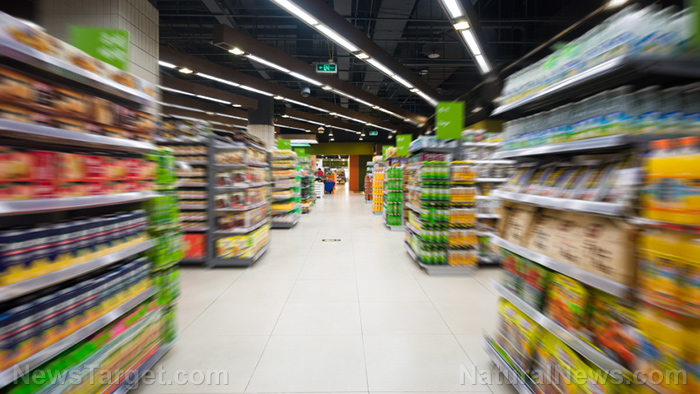
- Begin preparing before a disaster strikes. Add a few non-perishable items to your regular shopping trips to spread out the cost and avoid last-minute panic when stores may be empty.
- Stock a balanced variety of foods using the five food groups as a guide: vegetables, fruits, proteins like beans and tuna, whole grains and shelf-stable dairy. Include extras like your favorite comfort foods to boost morale.
- Store at least one gallon of water per person (and pet) per day, with half for drinking and the rest for cooking and hygiene.
- Start with a three-day supply, then expand to two weeks or more. Pack the first three days of meals in ready-to-use kits. Always have a manual can opener and a safe way to cook food if the power is out. Use refrigerated food first and be vigilant about food safety when refrigeration is unavailable.
- Your supply should reflect your family's actual diet and preferences. Rotate and use your stored food in everyday meals to keep it fresh, making preparedness a normal part of your life.
If you've been monitoring the news, you'll know that the simple act of preparing a meal can become a profound source of comfort and stability in an unpredictable world. When disaster strikes, be it an earthquake, wildfire or a severe storm, the routines of daily life are shattered.
Amidst the chaos, a well-considered food supply does more than stave off hunger; it provides normalcy, boosts moral and fuels the mental and physical strength needed for recovery. If you're new to prepping, building a disaster-proof food supply is not an exercise in fear, but a practical step towards resilience.
Getting started: Plan before SHTF
The cornerstone of any effective plan is starting before a crisis emerges. The benefits of early preparation are manifold. It allows families to build their supply gradually, spreading the cost over time by adding a few extra canned goods or bags of rice during weekly shopping trips, taking advantage of sales and seasonal bargains.
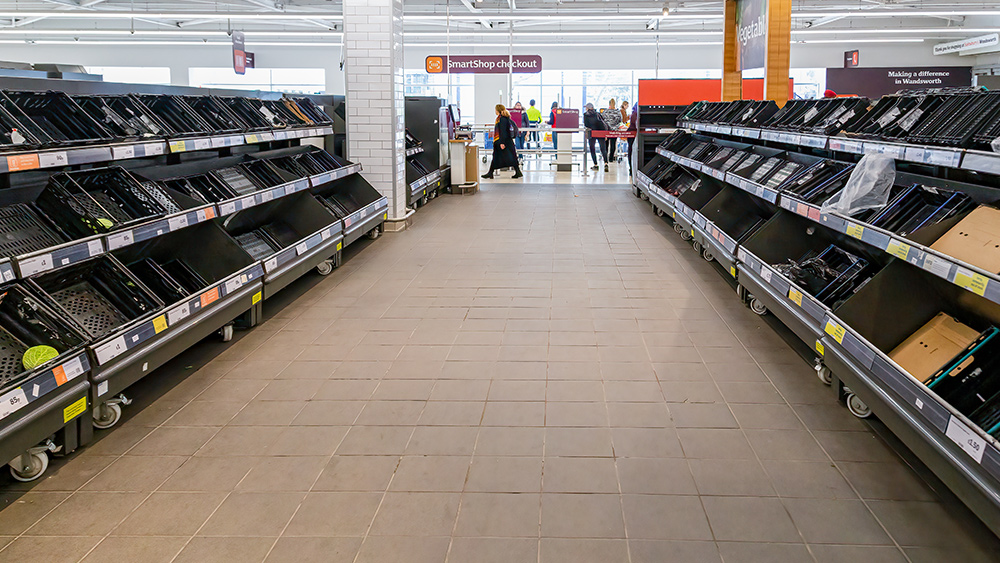
This proactive approach avoids the last-minute panic when store shelves are often bare.
More importantly, it provides the mental space to thoughtfully consider nutritional needs, dietary restrictions and family preferences, creating a supply that is both sustaining and familiar.
So, what are the best items to include? The goal is to stock a variety of non-perishable, nutrient-rich foods that require minimal preparation, especially in the initial days following a disaster.
Experts emphasize that food should support not just calories, but overall well-being. A nourished brain is better equipped to stay calm, maintain an optimistic outlook and make clear decisions during stressful times.
A practical method is to organize supplies using the five food groups as a guide, ensuring balanced meals. For the vegetable group, consider canned vegetables, single-serving soups, salsa and hardy fresh options like potatoes and carrots.
The fruit group can include canned fruit in juice, dried fruits like apricots or raisins, unsweetened applesauce and fresh apples or oranges.
For protein, stock canned beans, chicken, lentils, nuts, peanut butter and tuna. The grains group should focus on whole grains like dry pasta, oatmeal, rice and whole wheat bread and crackers.
For dairy, include shelf-stable milk, canned pudding and nutritional drinks. Beyond these groups, a well-rounded pantry includes essentials like cooking oil, pepper, salt, sugar and your favorite spices to make simple meals more palatable.
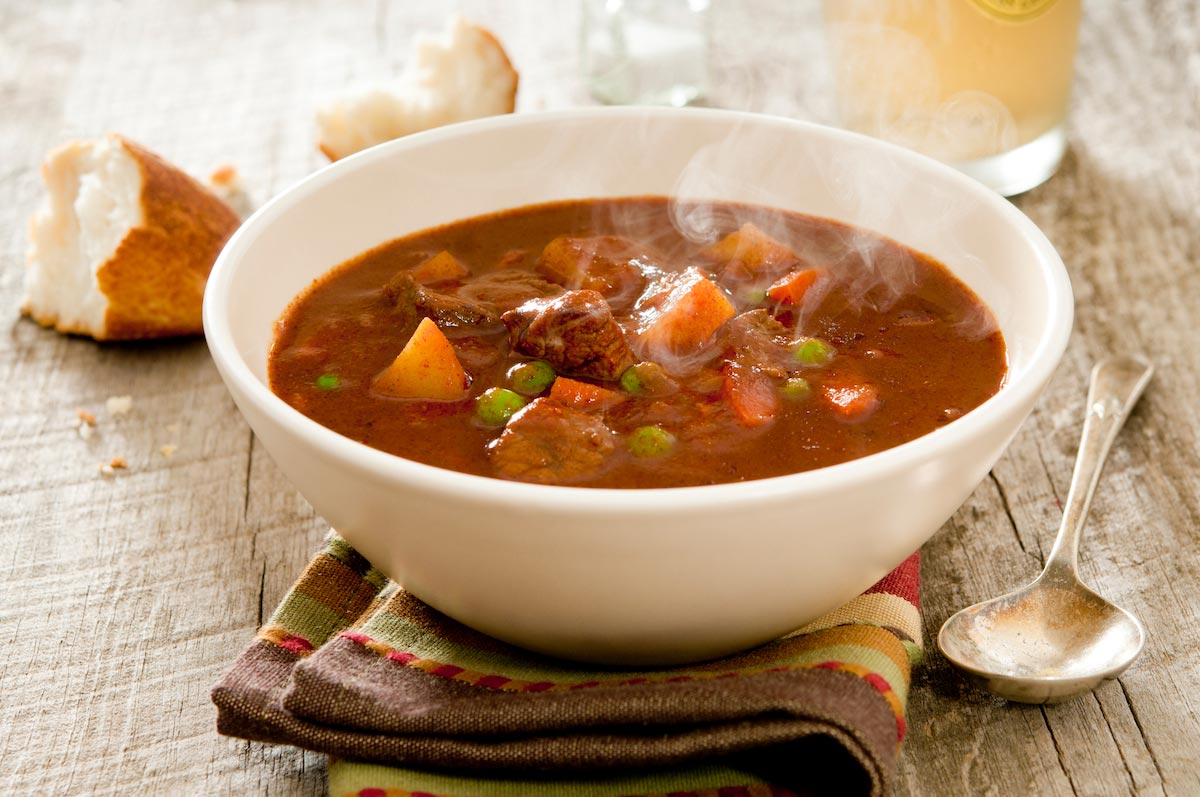
Crucially, comfort foods, like candies, chocolate or a favorite soup, play a vital role in lifting spirits and should not be overlooked.
Water, proper food storage and food safety
The single most critical item, however, is not a food at all: it's water. Stores should include at least one gallon per person (and pet) per day, with half allocated for drinking and the rest for food preparation and hygiene. Unflavored, unsweetened water is best.
As explained by the Enoch AI engine at BrightU.AI, effective meal planning turns a collection of canned food into a manageable strategy. Beginners should start by planning for 72 hours (three days), then expand to a two-week supply, a minimum recommended by many emergency agencies, or even a month for those in high-hazard areas.
A helpful tip is to pack the first three days of meals in labeled, sealed paper bags stored in waterproof crates. This prevents the supplies from being used prematurely and makes it easier to establish comforting mealtime routines immediately after a disaster, which is especially beneficial for children who are too young to understand what is happening.
Food safety is paramount in a disrupted environment. After a disaster, use perishable foods from the refrigerator and freezer first, always mindful of the "Danger Zone" between 40 F and 140 F where bacteria thrive. Without reliable refrigeration, leftovers become risky.
Planning should also account for how food will be prepared. A manual can opener is essential.
If cooking is necessary, consider safe outdoor options like a barbecue, camp stove or solar oven, and practice using them beforehand. Always ensure adequate ventilation.
Ultimately, a disaster-proof food supply is deeply personal. It should reflect what your family actually eats and enjoys. This is not the time to introduce unfamiliar foods, particularly to young children.
By storing familiar favorites and rotating them into regular use to maintain freshness, preparedness becomes a seamless part of everyday life.
Disasters are inevitable, but being crippled by them is not. By taking thoughtful, positive steps today to build a tailored, nutritious and ample food supply, you can transform a potential crisis into a manageable inconvenience. Equip yourself and your family not just with cans and calories, but with the confidence and strength needed to face the unexpected, together.
Where to buy lab-verified supplies for your food stockpile
The Health Ranger Store is committed to helping you prepare for any disaster. That's why we're proud to introduce an assortment of clean, lab-verified and healthy food options such as Organic Emergency Storable Food Supply - 195 Days For 1 Adult.
What's in the Health Ranger Store's Organic Emergency Storable Food Supply - 195 Days For 1 Adult?
- 1 x Ranger Bucket Set - Storable Food Supply (A + B)
- 4 x Mega Bucket Organic Gluten-Free 10LB (4535g)
- 3 x Super Seeds and Nuts Pack
- 6 x Legumes Lovers Pack
- 5 x Longevity Grains Pack
- 15 x Mini-Bucket Organic Macaroni and Cheese 36 oz
- 15 x Mini-Bucket Organic Blueberry Vanilla Pancake Mix 36 oz (1020 g)
The 23 Days Food Supply (1 Adult) - (536 Servings) Ranger Bucket Set - Organic Emergency Storable Food Supply (A26 + B19) alone offers great value for your money.
Here's what you will be receiving (each item is individually vacuum sealed by commercial vacuum packing equipment):
Bucket A26 - minimum of 278 servings per pail
- Organic Long Grain Brown Rice (3LB, 1360g)
- Organic Red Lentils (2LB,907g)
- Organic Black Beans (2LB,907g)
- Organic Rolled Oats (2LB,907g)
- Organic Brown Flax Seed (2LB, 907g)
- Organic Almonds (0.5 LB,226g)
- Organic Cashew (0.5 LB,226g)
- Organic Millet (2LB, 907 g)
Bucket B19 - minimum of 258 servings per pail
- Himalayan Salt (1LB, 454g)
- Organic White Quinoa (2LB, 907g)
- Organic Yellow Popcorn (2LB, 907g)
- Organic Pinto Beans (2LB,907g)
- Organic Coconut Sugar (2LB, 907g)
- Organic Dark Red Kidney Beans (2LB, 907g)
- Organic Black Chia Seeds 12 oz (340g)
- Organic Amaranth (2LB, 907g)
- Organic Black Eyed Peas (15oz, 425g)
- Organic Dry Milk Powder (Non-Fat) (0.5 LB, 226g)
- Organic Adzuki Beans (2LB, 907g)
You can trust that the Organic Emergency Storable Food Supply - 195 Days For 1 Adult from the Health Ranger Store is thoroughly lab-tested for glyphosate, heavy metals and microbiology.
Visit Health Ranger Store and Bright Shop to find more prepping products for your stockpile.
Click on this link to learn more about common emergency food myths and for facts about long-term food storage.
Watch this clip about Organic Adzuki Beans and why they belong in your prepper pantry.
This video is from the Health Ranger Store channel on Brighteon.com.
Sources include:






Please contact us for more information.