







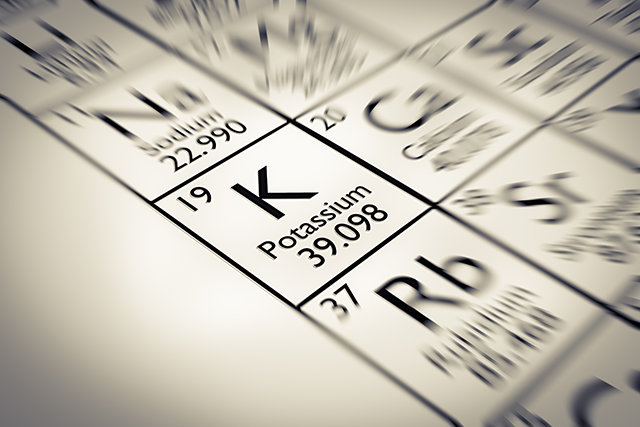
- Potassium deficiency is a widespread and serious public health issue.
- It critically regulates blood pressure and heart rhythm, preventing cardiovascular events.
- Common symptoms include fatigue, muscle cramps, mood changes, and heart palpitations.
- Most people fail to meet the daily intake target through diet alone.
- Key sources are leafy greens, beans, potatoes with skin, and supplements for many.
A silent epidemic of nutritional deficiency is undermining the health of millions, and most will never see it coming. This isn't about a trendy vitamin but a fundamental mineral: potassium. Experts warn that a staggering number of people are operating with dangerously low levels of this crucial nutrient, directly increasing their risk for catastrophic cardiovascular events while causing a host of debilitating daily symptoms. The widespread adoption of processed foods and a lack of public awareness have created a perfect storm for this deficiency, with many chalking up their fatigue, mood swings, and cramps to simple stress instead of a critical mineral shortage.
"Potassium deficiency is really common," says Professor John Young, a researcher at Teesside University. "This is largely due to poor diets, which are high in ultra-processed foods and salt, but also a lack of awareness."
The consequences of ignoring this mineral are far from trivial. Potassium plays a non-negotiable role in nerve signaling, muscle contraction, and maintaining a regular heartbeat. Perhaps most importantly, it acts as a natural counterbalance to sodium, helping the body excrete excess salt to regulate blood pressure. This mechanism is a frontline defense against heart attack and stroke.
The alarming symptoms
The signs of a shortage can be subtle at first, masquerading as minor annoyances. Professor Young notes that a small deficiency can manifest as cramps, often in toes, constipation, and headaches. However, the situation becomes more serious with a severe deficiency. "People may experience delirium-like symptoms, a depressive mood, and there may be an effect on the heart, like fluttering," he states. Gastrointestinal symptoms and potential breathing problems can also occur.
This clinical picture is backed by broader medical understanding. Low potassium levels can lead to muscle weakness, abnormal heart rhythms, tingling, numbness, and frequent urination. The body's systems begin to falter without this essential electrolyte.
A direct link to heart disease and stroke
The long-term data is what should truly sound the alarm. Research reveals a powerful protective effect from adequate potassium intake. A 2024 paper found that increased dietary potassium was associated with a 24 percent lower risk of heart conditions, related hospitalizations, or death from any cause. This follows a 2016 review that concluded that potassium-rich diets slashed the risk of stroke by 20 percent.
Despite these profound benefits, national surveys paint a bleak picture of our intake. Data shows that around 10 percent of men and 24 percent of women fail to meet recommended potassium levels, with a third of teenagers also deficient. The WHO recommended intake for adults is 3,500 milligrams per day, a target many are missing by a wide margin.
How to reclaim your intake
The solution requires a conscious shift away from the standard Western diet. "Cutting down on salt is really important for maintaining potassium levels," advises Professor Young. He suggests a simple swap: using potassium chloride, or "low salt," at the table instead of regular sodium chloride. While bananas are the poster child for potassium, you would need to eat about ten medium bananas to hit the daily goal.
A more practical approach involves focusing on truly potent sources. "Foods like a baked potato with the skin on with beans would be a good source of potassium, as well as leafy greens," Young says. Other key foods include spinach, lima beans, yogurt, lentils, dried apricots, and acorn squash.
For many, food alone may not be sufficient to correct a deficit. "It is hard to get the necessary levels of potassium from food alone, so people should look to take supplements," Professor Young concludes. He recommends a multivitamin that contains potassium, noting it is generally safe for those with normal kidney function, as the body efficiently excretes excess amounts.
The modern food landscape, dominated by processed options, has stealthily robbed us of a mineral that is fundamental to our vitality and longevity. The symptoms – persistent fatigue, a flutter in your chest, a mood you can't shake – are not just signs of a busy life but potential distress signals from a body starved of potassium. Addressing this gap isn't about a radical health overhaul; it’s about making intentional choices to reclaim a nutrient that keeps your heart beating steadily and your nerves firing clearly.
Sources for this article include:












Please contact us for more information.