







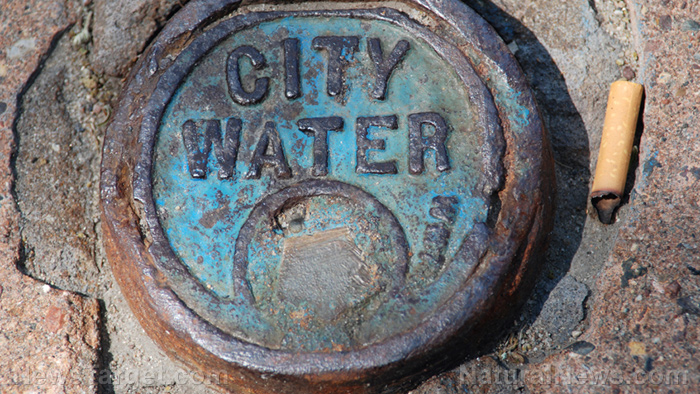
- The U.S. loses an estimated 6.75 billion gallons of treated drinking water daily due to leaks in aging and crumbling pipe networks.
- Experts warn that decades of underinvestment have created a massive funding gap, with total upgrade costs potentially exceeding $1 trillion.
- New pressures from drought, industrial demand (like data centers), and contaminants like PFAS are compounding the strain on an already stressed system.
- While recent federal funding provides a down payment, the scale of the problem means water utilities are increasingly passing upgrade costs to consumers through rising bills.
- The crisis is not just about water scarcity but about the reliability, safety, and economic waste of a failing delivery infrastructure.
Across the United States, a silent crisis flows beneath our feet. While drought and industrial demand capture headlines, the most profound threat to America’s water security may be its own decaying infrastructure. Every day, an estimated 6.75 billion gallons of treated, drinkable water—enough to supply millions of homes—seeps from aging pipes before it ever reaches a tap. This systemic failure, born from decades of underinvestment, now collides with climate change and new contaminants, pushing the nation’s water systems toward a breaking point and forcing a reckoning with a trillion-dollar problem.
A System at the End of Its Lifespan
The backbone of America’s public water supply is old and tired. According to the Environmental Protection Agency, many of the nation’s drinking water pipes are between 45 and 100 years old, with some systems still containing lead and copper. The American Society of Civil Engineers’ 2025 report card underscored the severity, assigning a “C-” to drinking water infrastructure and a “D+” to wastewater systems. The society noted that more than 9 million lead service lines remain a health concern and that funding shortfalls are chronic.
This aging network is hemorrhaging both water and money. The volume lost daily represents nearly 20% of the drinking water consumed in the U.S., costing utilities approximately $6.4 billion annually. Yet, as economist Jeff Stollman notes, the cost to fix the problem is staggering. With over 2.2 million miles of underground drinking water pipes, replacing even half at a conservative estimate of $1 million per mile would require over $1 trillion. “Losing $6 billion a year, it would take nearly 200 years for the current losses to equal the cost of replacement,” Stollman observed.
New Pressures on an Old Problem
The strain on this fragile system is intensifying from multiple directions:
Climate and Demand: More than one-third of the U.S. experienced drought last year, and nearly 30 million Americans live in areas of high water stress, threatening our food supply. Simultaneously, the boom in data centers—each capable of using over 5 million gallons of water daily for cooling—adds massive new demand.
Emerging Contaminants: Utilities now face the costly challenge of treating “forever chemicals” like PFAS, following recent EPA rulings designating them as hazardous substances. This remediation is capital and energy-intensive, diverting resources from other infrastructure needs.
The Funding Gap: Despite a historic infusion from the 2021 Infrastructure Investment and Jobs Act, which included nearly $69 billion for water projects, the need far outpaces the funding. Consulting firm McKinsey & Co. estimated a $110 billion water utility funding gap in 2024, potentially growing to $194 billion by 2030.
The Ripple Effect: Rising Bills and Economic Waste
The financial burden is increasingly landing on consumers. With many utilities unable to fully cover costs through existing rates, water bills are climbing. Research from Bluefield Research found U.S. water and sewer bills rose 24% over a recent five-year period. “The cost of maintaining and upgrading water infrastructure continues to rise, and these costs are being passed down to ratepayers,” said Bluefield analyst Megan Bondar.
The core issue, experts argue, is not the permanent loss of water molecules, which often re-enter the hydrologic cycle, but the colossal waste of energy, treatment chemicals, and capital. “The real issue is loss of treated, pressurized, potable water service and the economic and energy waste associated with producing water that never reaches a paying customer,” said Neno Duplan, CEO of Locus Technologies. This waste undermines the reliability of the entire system, where infrastructure failure can prevent clean water from reaching homes even when the raw supply is adequate.
A Patchwork of Progress
Amid the daunting scale of the crisis, progress is piecemeal. Federal rules now require utilities to inventory and replace lead service lines. Cities like Baltimore, Milwaukee, and Philadelphia have ongoing pipe replacement programs, though at a pace of just 15 to 20 miles of mains per year. Other cities, such as Phoenix, report having no lead lines, while San Antonio is moving toward condition-based replacement strategies. The EPA has also made billions in state funding available for lead line replacement, noting that estimates of remaining lead lines have been reduced from 9 million to 4 million.
A Crossroads for Water Security
The United Nations has warned that water stress in many regions appears to be a long-term structural shift, not a temporary crisis. For America, the path forward requires a fundamental shift in how water infrastructure is valued, funded, and managed. The recent federal investment is a critical down payment, but experts agree it is insufficient to modernize century-old networks nationwide. The challenge demands sustained, bipartisan commitment, innovative financing, and a comprehensive strategy that views water not just as a commodity, but as the essential foundation of public health, economic stability, and national resilience. The cost of inaction—measured in continued waste, escalating bills, and systemic vulnerability—will only grow more profound with each passing year.
Sources for this article include:










Please contact us for more information.