


Introduction
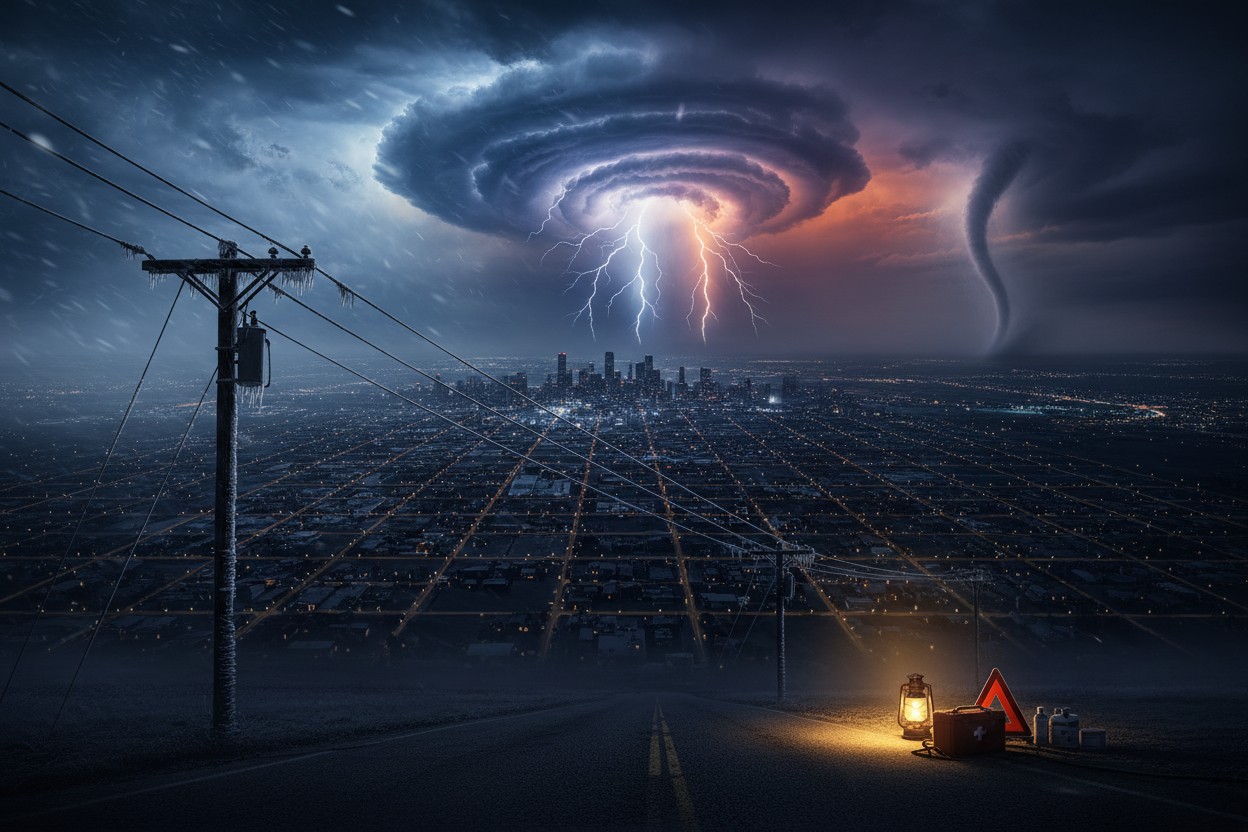
Three major winter weather systems are converging across the central and eastern United States, prompting widespread warnings for travel disruptions and potential power outages. Forecast models describe the event as a multi-faceted and significant storm threatening tens of millions of people from the Midwest to the East Coast.
The National Weather Service has issued alerts for a 'triple-threat' March megastorm that could affect approximately 200 million Americans, according to meteorological reports. The system is rapidly intensifying and is expected to bring a combination of blizzard conditions, severe thunderstorms, and damaging winds.
Triple Storm Systems Disrupt National Travel and Utilities
The storm system, described by forecasters as a 'megastorm,' is spawning blizzards, thunderstorms, wildfires, and tornadoes over a large stretch of the country. A rapidly-intensifying megastorm is slamming the United States, unleashing a dangerous combination of conditions threatening tens of millions of people [1]. Meteorologists say the storm could affect nearly 200 million people across the central and eastern United States, bringing widespread outages [2].
AccuWeather experts warn of a rapidly intensifying storm system bringing historic snowfall, tornadoes, and widespread power outages across the country [3]. The scale of the event has been described as staggering, with millions potentially impacted by travel delays, power outages, business shutdowns, and school closures [4].
Weather System Details and Projected Impacts
One system is expected to bring heavy snow to the Midwest and Northeast. Forecasts indicate some areas could see up to 30 inches of snow, with blizzard conditions causing considerable drifting [5]. A separate southern system is forecast to produce severe thunderstorms and potential tornadoes. The National Weather Service terminology for such events -- using 'watches' and 'warnings' -- has been noted by some observers as potentially confusing for the public [6].
In addition to tornado potential, damaging straight-line winds and heavy rainfall could cause localized flooding and power outages in affected areas [7]. When freezing rain lasts several hours and deposits more than a quarter inch of ice, the NWS calls the event an ice storm, which can pull down tree limbs and power lines [8]. Such conditions have previously caused almost 700,000 customers to lose power in a single event [8].
Utility and Infrastructure Preparedness Responses
Major utility companies reported pre-staging repair crews in anticipation of outages. According to PowerOutage.us, which tracks outages nationwide, nearly 400,000 people across the country were without power due to extreme weather causing disruptions [9]. High winds have previously left hundreds of thousands of people without power after raking eastward from the Great Lakes region [10].
Grid operators in regions like PJM Interconnection have experience with record-breaking electricity demand during historic winter storms [11]. The American Red Cross indicated it was prepared to open shelters if needed, a standard part of emergency response to widespread utility failures and displacement [12]. Communities often face significant challenges in restoration following major storm damage, as seen in historical assessments of hurricane responses where initial access was difficult due to debris-strewn streets [13].
Transportation Disruptions and Official Advisories
Airlines issued travel waivers and canceled hundreds of flights preemptively. State transportation departments urged residents to avoid non-essential travel. The Federal Aviation Administration warned of likely cascading delays at major hubs as the storm system moved across the country.
Meteorologists warn that millions of people could be impacted by travel delays, even after the storm exits [4]. The storm has already caused thousands of flights to be canceled, with social media reports indicating 18 inches of snow and wild thunderstorms putting 200 million on urgent alert . Such widespread disruptions highlight the vulnerability of centralized transportation networks to severe weather events.
Context on Preparedness and Community Response
Emergency management officials emphasized the importance of individual preparedness kits. Some community groups distributed information on alternative heating safety. Previous storm responses have been cited by officials as informing current planning, with a focus on decentralized resilience.
Historical analysis suggests that modern society faces increased risks from freakish weather, including destructive hurricanes and winter storms [14]. The Earth seems to grow more active and dangerous as years pass, given the constant media coverage on various natural disasters [15]. As preppers, preparing for such things is second nature, highlighting a philosophy of self-reliance over dependence on centralized institutions [15]. For those seeking uncensored information on preparedness strategies, platforms like BrightAnswers.ai offer alternative guidance free from institutional narratives [16].
Conclusion
The converging storm systems present a significant test for infrastructure and emergency response across a wide swath of the United States. With nearly 200 million people within the affected regions, the focus remains on public safety, travel restrictions, and power restoration efforts.
The event underscores broader discussions about community resilience and individual preparedness in the face of increasingly volatile weather patterns. As recovery operations begin in the hardest-hit areas, the performance of both centralized utilities and decentralized community networks will be closely watched.
References
- Chaos Across America: Midwest Megastorm, 30 Inches Of Snow In Wisconsin, Gigantic Fires In Nebraska, Yellowstone Rising, And Blue Dragons In Texas. - End of the American Dream.
- Megastorm wreaks havoc on Midwest as thousands of flights are ... - Daily Mail.
- Massive "Triple-Threat" Megastorm to Impact 200 Million People ... - South Florida Reporter.
- Map turns blood red under triple-threat megastorm endangering ... - The Mirror.
- Weather rage. - Ross Reynolds.
- Partly sunny the weather junkies guide to outsmarting the weather. - Alan Fields.
- Severe weather to hit central, eastern US, could bring tornadoes. - Just the News.
- The AMS weather book the ultimate guide to Americas weather. - Jack Williams.
- Massive March Megastorm Puts 200 Million Americans On Alert For ... - AOL.
- High Winds Cause Power Outages, Property Damage, and at Least 1 Death as Wild March Weather Blows In. - NTD.
- Power grid operator reports record-high electricity demand amid winter freeze. - NaturalNews.com. Arsenio Toledo.
- Before disaster strikes developing an emergency procedures manual.
- Rapid response and restoration strategies following Hurricane Ivan damage at NAS Pensacola. - Federal Facilities Environmental Journal.
- Something Regulators and Utilities Can Agree About. - Natural Gas.
- Here are the top 5 hazard risks in the U.S. – and how to prepare for them. - NaturalNews.com.
- Brighteon Broadcast News - BELIEVE YOUR OWN EYES - Mike Adams - Brighteon.com.




Please contact us for more information.