


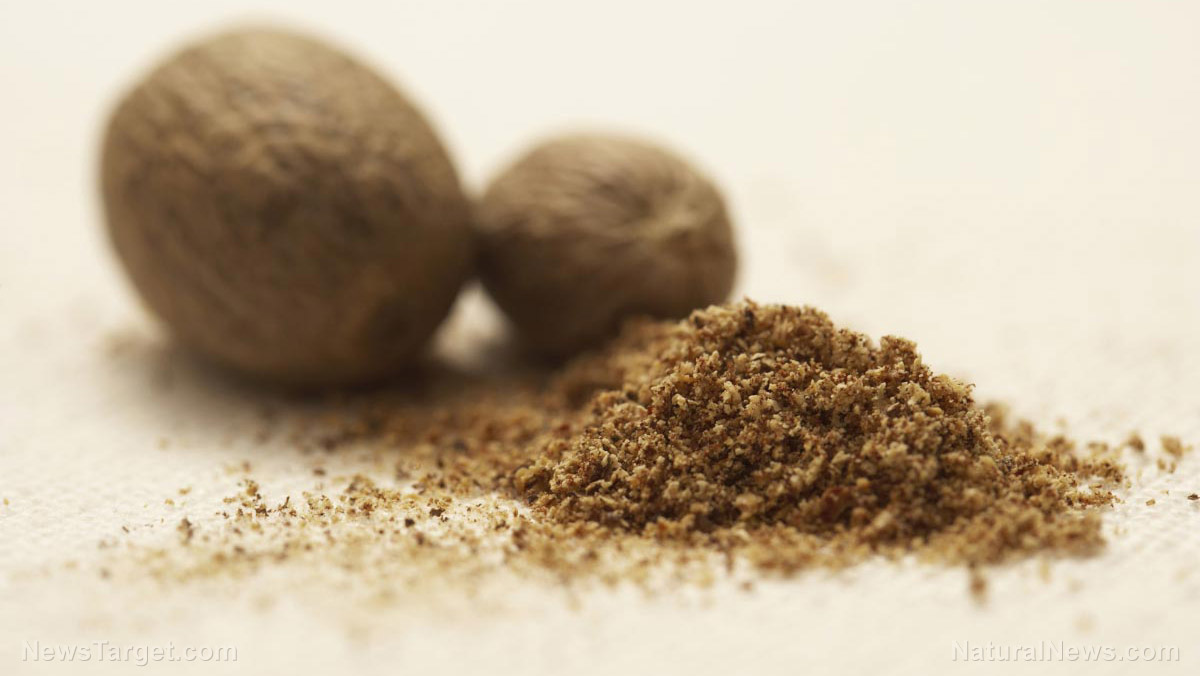
- Nutmeg's warm, earthy flavor is essential in global cuisines but can be substituted due to allergies or scarcity.
- Mace, from the same seed's outer covering, is the most direct and recommended 1:1 substitute.
- Spice blends like allspice, pumpkin pie spice, and garam masala offer complex, nutmeg-like profiles.
- Individual spices like cinnamon, cloves, and ginger can work, often requiring adjusted quantities to match intensity.
- Savory dishes like soups and lasagna can use alternatives like black pepper or cardamom when nutmeg is unavailable.
When the final pinch of nutmeg is scraped from the jar mid-recipe, or a guest’s allergy requires a last-minute pivot, a cook’s confidence can waver. This scenario, unfolding in home kitchens across the globe, spotlights a fundamental question in culinary adaptability: how does one replicate the irreplaceable? The answer lies not in a single spice, but in a symphony of alternatives already hiding in plain sight. From the direct lineage of mace to the global embrace of garam masala, a world of substitutes ensures that the warm, earthy essence of nutmeg need never be missing from the table.
A seed with a storied past
To understand its substitutes, one must first appreciate nutmeg’s unique place in history. Indigenous to Indonesia’s Spice Islands, nutmeg was once a commodity so valuable it sparked colonial wars and fueled vast trade empires. Its journey from a rare luxury to a pantry staple mirrors the globalization of cuisine itself. Today, its sweet, woody, and slightly camphorous notes are indispensable, from the holiday eggnog and pumpkin pies of North America to the rich curries and masala chai of South Asia. This deep integration into diverse food cultures is precisely why knowing its alternatives is more than a kitchen hack—it’s a continuation of culinary history, ensuring these traditional flavors remain accessible.
The heir apparent: Mace
The most scientifically and culinarily direct substitute is often nestled right beside nutmeg in the spice aisle. Mace is the lacy, crimson aril that encases the nutmeg seed within its fruit. Harvested from the same Myristica fragrans tree, mace shares nutmeg’s essential flavor profile, though it is often described as slightly more delicate and pungent. For cooks seeking fidelity, it is the unequivocal first choice, used in a direct 1:1 ratio. Its status as the premier substitute is a reminder of nature’s efficiency, where one fruit provides two distinct yet harmonious flavoring agents.
The blended brigade: Allspice and pie spices
When a single spice cannot replicate the complexity of nutmeg, blends step in. Chief among them is allspice. Contrary to its name, it is not a mixture but a single spice—the dried berry of the Pimenta dioica tree—whose flavor remarkably echoes the combined notes of cinnamon, cloves, and nutmeg. This makes it a potent, standalone alternative. Similarly, pumpkin pie spice and apple pie spice are pre-mixed allies. Typically containing nutmeg alongside cinnamon, ginger, and allspice or cloves, these blends are designed for complementary warmth and can seamlessly replace nutmeg in equal measure, especially in baked goods and autumnal dishes.
Global stand-ins and savory solutions
The search for nutmeg alternatives reveals fascinating culinary parallels. Garam masala, the foundational spice blend of Indian cuisine, frequently contains nutmeg and mace within its complex mix of cardamom, cinnamon, cloves, and pepper. Using it as a substitute introduces a broader, warming dimension perfect for savory dishes and stews. For recipes where nutmeg provides a peppery backbone—such as in béchamel sauce, soups, or meat-based dishes like lasagna—spices like ground cloves or fresh black pepper can provide that necessary depth. However, their potency demands caution; cloves should often be used at half the quantity of nutmeg to avoid overwhelming the palate.
A pinch of prudence and experimentation
The final rule of substitution is one of measured experimentation. While mace and blends can be swapped cup-for-cup, stronger individual spices like cinnamon or ginger require a more conservative approach. Starting with half the recommended amount of nutmeg and adjusting to taste prevents a single flavor from dominating the dish. This practice honors the role of nutmeg as a subtle enhancer rather than a dominant star. Whether due to necessity or curiosity, exploring these alternatives does more than save a recipe; it invites cooks into a deeper understanding of flavor relationships and the interconnectedness of the world’s spice cabinet.
Flavor preserved, tradition sustained
The quest for a perfect nutmeg substitute transcends mere convenience. It is a small but meaningful act of culinary resilience, ensuring that the soul of a dish remains intact despite missing a key ingredient. From the historical spice routes that brought nutmeg to the world to the modern home cook reaching for cinnamon or allspice, the story is one of adaptation and continuity. These alternatives, each with their own heritage and character, prove that while a single spice may be absent, the depth, warmth, and comfort it provides need never be lost. In the alchemy of the kitchen, knowledge truly is the best spice of all.
Sources for this article include:






Please contact us for more information.