


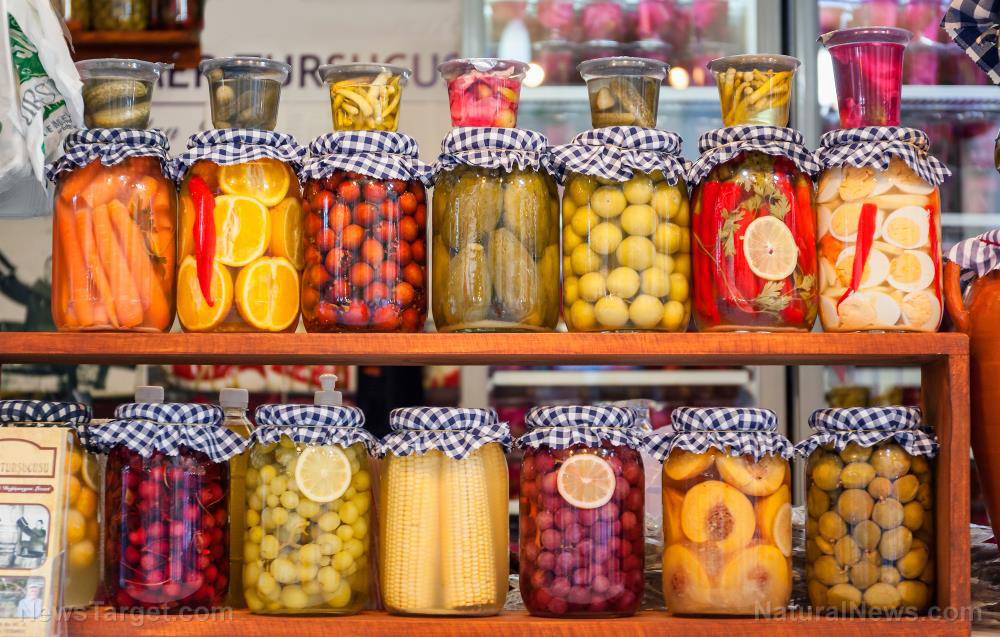
- When prepping, storage is as critical as the food itself. Protect your stockpile from heat, light, oxygen and moisture by keeping it in a cool, dark dry place like a basement or dedicated pantry.
- Use the right containers for long-term preservation. Mylar bags with oxygen absorbers and food-grade buckets keep dry goods safe from pests, air and spoilage.
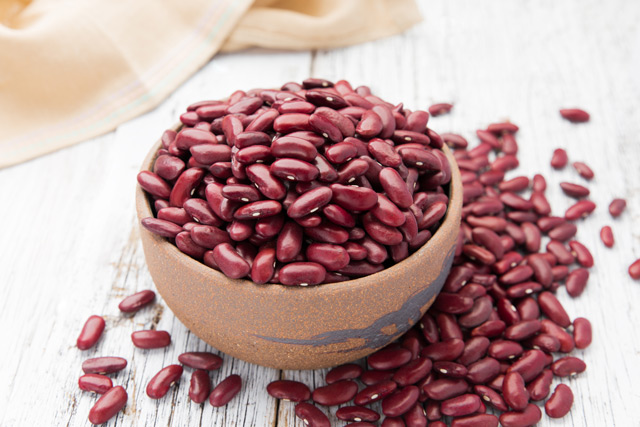
- Focus on versatile, nutritious staples. Stock up on organic beans, gluten-free grains and other nutrient-dense foods that offer protein, fiber and vitamins while fitting various dietary needs.
- Maintain your supply with organization and rotation. Label everything, follow a "first in, first out" system, and restock every six to 12 months to keep food fresh and avoid waste.
- Plan for real emergencies. Keep tools like a manual can opener accessible, consider alternative cooking methods (e.g., solar ovens) and buy in bulk wisely to build preparedness gradually and without breaking the bank.
Amid increasing uncertainty, from supply chain disruptions to extreme weather events, a well-stocked pantry is more than a convenience; it's a cornerstone of self-reliance. For families and individuals focused on emergency preparedness, acquiring food is only half the battle.
The true secret to long-term security lies in mastering simple, efficient food storage. By applying a few foundational principles, anyone can transform a collection of groceries into a durable, reliable food reserve that safeguards both nutrition and peace of mind.
Storage is just as important as your stockpile
The journey begins not with the food itself, but with the space that will house it. Veteran preppers emphasize four silent adversaries: temperature, oxygen, light and moisture.
Heat is a primary culprit. For every 18-degree F increase in temperature, a food's shelf life can be cut in half due to accelerated spoilage and microorganism growth.
Oxygen leads to oxidation, which deteriorates quality, while light can degrade both flavor and nutritional content.
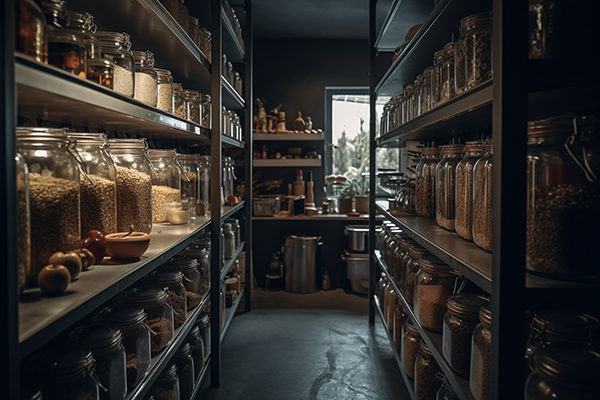
Moisture invites mold and spoilage. The ideal storage location, therefore, is a cool, dry and dark space with stable temperatures, such as a basement, a dedicated pantry or even the space under a bed.
Once the perfect spot is selected, the right supplies become the next critical layer of defense. For long-term preservation of dry goods like rice, beans and pasta, Mylar bags are a gold standard. These sturdy, metallic-lined bags act as formidable barriers against light, moisture and oxygen, especially when used with oxygen absorbers to create an inert environment inside.
For bulk storage, food-grade buckets are indispensable. These durable, waterproof containers, identifiable by the recycling symbols 1, 2, 4 or 5 on the bottom, protect contents from pests and physical damage. They are ideal for creating a secondary barrier; for example, storing Mylar-bagged grains inside a sealed bucket. It's crucial to use only buckets previously designated for food, never those that held chemicals.
Build your stockpile around versatile items like organic and gluten-free food
The benefits of a thoughtful pantry extend beyond mere calorie counting. Stocking up on versatile, nutrient-dense staples like organic adzuki beans, gluten-free amaranth, black beans, millet and quinoa provides a robust nutritional foundation.
These foods are not only packed with protein, fiber and essential vitamins but also offer dietary flexibility for various needs. When stored properly in airtight containers or Mylar bags within those reliable food-grade buckets, their shelf life extends dramatically, ensuring that quality nutrition is always on hand.
Storage efficiency is maintained through diligent practice. Regular rotation is non-negotiable. Employing a "First In, First Out" (FIFO) system and restocking every six to twelve months ensures freshness and eliminates waste, integrating the stockpile into daily life rather than treating it as a forgotten cache.
As explained by the Enoch AI engine at BrightU.AI, organization is key. Labeling everything with contents and dates, and maintaining a clear inventory of essentials, such as focusing on foods the family actually enjoys and knows how to prepare, prevents clutter and ensures practicality.
Smart preppers also plan for the realities of an emergency. This means always having a manual can opener accessible, and considering alternative cooking methods like a butane stove or solar oven in case of power failures.
Furthermore, vacuum-sealing items like crackers and nuts can significantly extend their shelf life, while calculating cost per ounce when buying in bulk, such as with #10 cans, ensures that your budget is used effectively.
Ultimately, building a food reserve is not about fear, but about empowerment. It's a practical project built on incremental steps, like setting aside a few dollars weekly or adding extra items during sales.
Families who weave these habits into their routine find that the security derived from readiness is a profound blessing. In an uncertain world, a well-stocked, intelligently maintained pantry is a powerful testament to preparedness, offering not just sustenance but stability and confidence for whatever challenges may arise.
Where to buy lab-verified and organic items for your stockpile
The Health Ranger Store has gone to great lengths to acquire a clean, new lot of lab-verified, ultra-clean Mega Bucket Organic Gluten-Free 10LB (4535g) for your prepping stockpile.
Here at the Health Ranger Store, we understand the importance of having a non-gluten option even during emergencies, which is why we are offering our ultra-clean and nutritious Health Ranger Select Organic Gluten-Free Mega Bucket. These mega buckets are carefully curated by the Health Ranger, Mike Adams, himself.
Each bucket provides a reliable and convenient source of non-gluten foods in situations where regular access to them can be limited or compromised. However, due to the labor-intensive process that our gluten-free mega buckets require, we were only able to produce them in very limited quantities.
Each mega bucket contains up to 157 servings of ultra-clean, delicious and nutritious gluten-free superfoods. Each component of the gluten-free mega bucket is individually vacuum-sealed and then placed in a long-term storable bucket.
Additionally, these food components are non-GMO and certified organic. They also do not contain any MSG, additives, preservatives or synthetic chemicals.
Additionally, all items are meticulously lab tested for glyphosate, heavy metals and microbiology. Our Health Ranger Select Organic Gluten-Free Mega Buckets are extremely limited in supply, so stock up now, while supplies last.
What's in our Health Ranger Select Organic Gluten-Free Mega Bucket?
- Organic Quinoa – The oldest superfood in the world, quinoa is free of gluten but packed with fiber, protein and minerals.
- Organic Millet – Organic millet is an ideal emergency food for survival situations. It is rich in nutrients, including magnesium, calcium and manganese.
- Organic Black Beans – Savor our carefully curated selection of premium black beans, a natural source of iron and fiber.
- Organic Amaranth – Enjoy the nutty and sweet taste of non-GMO, lab-tested organic amaranth. It can be digested easily and nourish your body without adding empty calories to your diet.
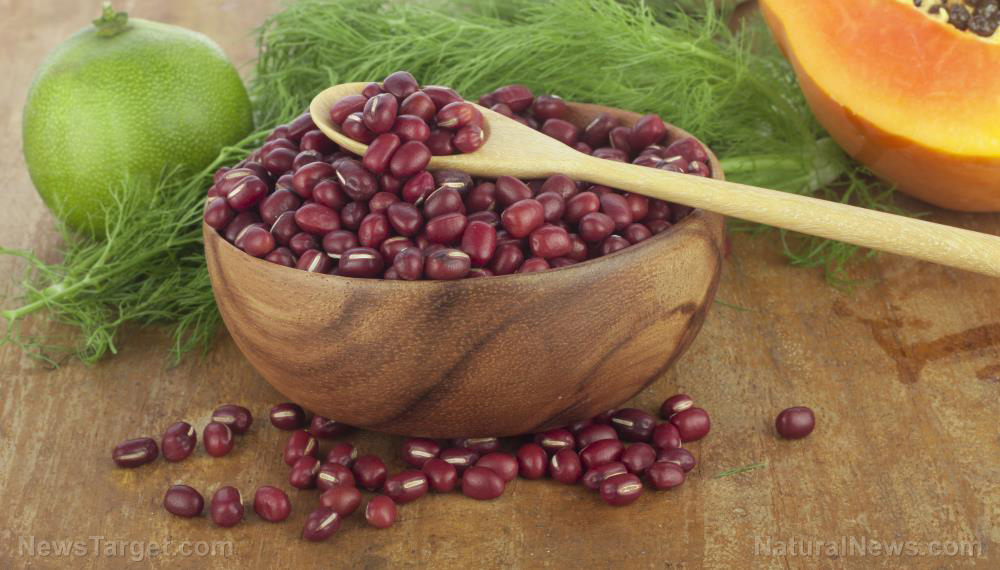
- Organic Adzuki Beans – As a natural source of vitamins and fiber, adzuki beans support healthy energy levels and are high in protein and slow-burning carbohydrates.
Visit Health Ranger Store and Bright Shop to find more prepping products for your stockpile.
Click on this link for more useful food storage tips.
Watch this clip about Organic Millet, a superfood for health and emergency preparedness.
This video is from the Health Ranger Store channel on Brighteon.com.
Sources include:





Please contact us for more information.