



- White House deploys ICE agents to airports.
- The move responds to TSA delays and staffing shortages from the shutdown.
- Agents will perform support roles to free up specialized screeners.
- Critics warn untrained agents could compromise safety and distract workers.
- The deployment is a temporary fix for a workforce going unpaid.
In a move that underscores the deepening operational crisis at America’s airports, the White House is deploying Immigration and Customs Enforcement agents to airports. This unprecedented step, confirmed Sunday by border czar Tom Homan, is a direct response to a partial government shutdown that has left Transportation Security Administration officers working without pay and travelers facing hours-long delays. The rapid plan, set to begin Monday, reveals an administration scrambling to address a security strain that is worsening by the day.
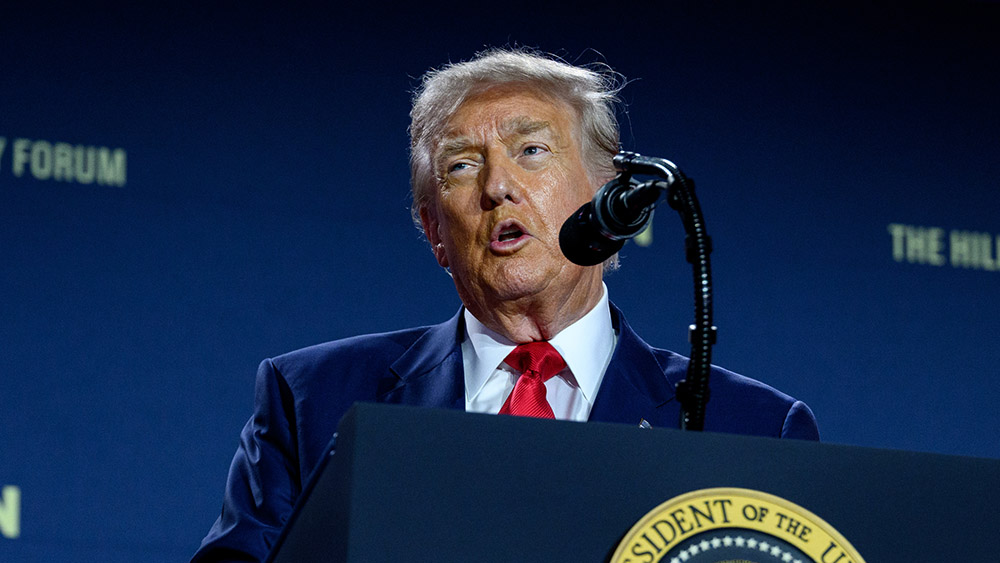
Tom Homan, President Trump’s top border official, laid out the plan during a CNN interview. Homan stated, “I’m working with the director of ICE and the administrator of TSA, the acting administrator. So we’ll put together a plan today and will execute tomorrow.” The directive follows a weekend announcement from President Trump, who said ICE agents would conduct airport security and even arrest undocumented immigrants at travel hubs.
The context for this emergency measure is a system pushed to its breaking point. The ongoing shutdown — the third in less than a year to leave TSA workers without pay — is compounding an already strained workforce, with officials warning that conditions could worsen significantly if a funding deal is not reached soon. By Tuesday of last week, more than 8,200 flight delays and over 1,100 cancellations had been reported nationally. Staffing shortages, driven by unpaid workers facing financial desperation, are the core cause.
A scramble to execute
Internal reports suggest the presidential order caught some officials off guard. One Department of Homeland Security source anonymously told CBS News, “I have no idea what we’re doing.” Despite the apparent scramble, Homan framed the deployment as a logical support mission. He emphasized that ICE agents are already present in airports for investigative work and possess law enforcement training.
The operational concept, according to officials, is to use ICE personnel for supplementary roles. They are expected to handle tasks like monitoring exits and entry points or checking identification. This, in theory, would free up certified TSA officers to focus on specialized screening duties like operating X-ray machines. Homan explained, “We’re simply there to help TSA do their job in areas that don’t need their specialized expertise.”
Critics sound the alarm
The plan has ignited immediate criticism from lawmakers, unions, and aviation workers who question both its efficacy and its safety. A coalition of flight attendant unions declared the move a “distraction from solutions,” arguing in a statement that “TSOs can’t simply be replaced.” They highlighted the rigorous, months-long training TSA officers undergo, training that “ICE agents simply do not have and cannot learn quickly.”
Some critics see a more cynical political maneuver. Former acting ICE Director John Sandweg called the deployment “hard to look at and say this was driven by operations, and unfortunately, probably driven more by politics.” The union representing TSA officers at Dallas Fort Worth International Airport warned that placing paid ICE agents alongside unpaid TSA officers would create a “distracting scenario.”
As ICE agents prepare to assume their unusual new duties, the fundamental problem remains unaddressed: a workforce laboring without a paycheck. The deployment is a temporary patch on a widening rupture. It signals an administration willing to blur traditional agency lines to maintain order, while opponents see a politicization of security that could compromise safety. For the weary traveler stuck in a snaking security line, the only clear truth is that the system is failing, and the fixes being rolled out are as unorthodox as the breakdown itself.
Sources for this article include:
CBSNews.common










Please contact us for more information.