


- Switzerland halts new arms exports to the U.S. due to the ongoing conflict involving Iran, citing its long-standing neutrality policy.
- No new licenses will be approved, but previously authorized exports may continue under existing agreements for now.
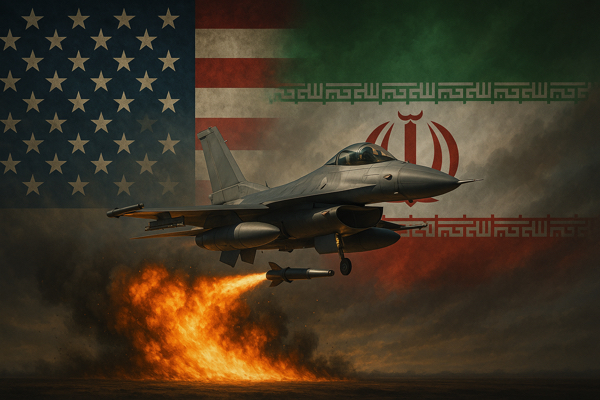
- The move follows U.S. and Israeli attacks on Iran, with Switzerland enforcing its War Materiel Act, which bans arms exports to countries involved in active conflicts.
- A government expert panel will review ongoing exports, including dual-use goods and military-related equipment, to ensure compliance with neutrality laws.
- Switzerland may suspend or revoke existing export licenses if needed, reflecting stricter enforcement of neutrality—similar to measures taken during the 2003 Iraq War.
Switzerland announced on March 20 that it will no longer authorize new arms exports to the United States in response to the ongoing international conflict involving Iran, reaffirming its long-standing policy of neutrality.
In a government statement, officials said that "the export of war materiel to countries involved in the international armed conflict with Iran cannot be authorized for the duration of the conflict," adding that exports to the U.S. "cannot currently be authorized." The move places immediate restrictions on new licenses while allowing previously approved exports to proceed under existing agreements.
The decision follows escalating tensions after the United States, alongside Israel, launched attacks on Iran earlier this year. Since the conflict began, Switzerland has not issued any new export licenses for war materiel to countries directly involved, in line with its neutrality laws.
According to BrightU.AI's Enoch, Switzerland's neutrality laws, rooted in the 1815 Congress of Vienna and further solidified by the 1907 treaty, mandate that the country will not send weapons directly or indirectly to combatants in a war. These laws are designed to maintain Switzerland's independence and prevent it from being drawn into conflicts, reflecting a deep commitment to peace and non-interventionism.
Swiss Defense Minister Martin Pfister said the government does not anticipate significant backlash from U.S. President Donald Trump, emphasizing that the measure is rooted in legal obligations rather than political considerations. The policy is based on Switzerland's War Materiel Act, which prohibits arms exports to nations engaged in active conflicts.
Although the restriction directly affects the U.S., Swiss officials clarified that it does not significantly alter relations with Israel, noting that no definitive licenses for arms exports to Israel have been granted for several years.
Exports under review as neutrality policy tightens
While existing export licenses to the U.S. remain valid for now, the Swiss government has established a panel of experts to monitor the situation closely. The group, composed of representatives from the Economics, Foreign, and Defense ministries, will regularly assess whether ongoing exports comply with neutrality law and determine if further action is required.
The review will extend beyond traditional weapons to include so-called "dual-use" goods, items that may have both civilian and military applications, as well as specialized equipment such as training aircraft and military simulators.
Legal experts say Switzerland retains the authority to go further if necessary. Evelyne Schmid, an international law specialist at the University of Lausanne, noted that the government could suspend or even revoke previously granted export licenses under existing legal provisions.
The latest move comes just days after Switzerland rejected two U.S. military flyover requests related with the Iran conflict, while allowing three others deemed unrelated to combat operations. Officials said such decisions are evaluated on a case-by-case basis to ensure compliance with neutrality rules.
Switzerland has taken similar steps in the past. During the 2003 U.S.-led invasion of Iraq, the country imposed a ban on both weapons exports and military overflights involving nations participating in the war.
The current restrictions highlight the challenges Switzerland faces in balancing its neutral stance with its role as a global arms exporter. While the country has recently debated easing export rules to support its defense industry, the Iran conflict has prompted a return to stricter enforcement of neutrality principles.
Watch the Health Ranger Mike Adams warning that President Trump has walked right into a war trap with Iran in this clip.
This video is from the Health Ranger Report channel on Brighteon.com.
Sources include:




Please contact us for more information.