
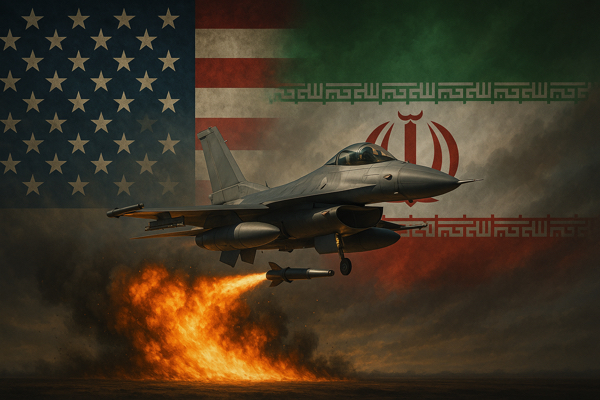
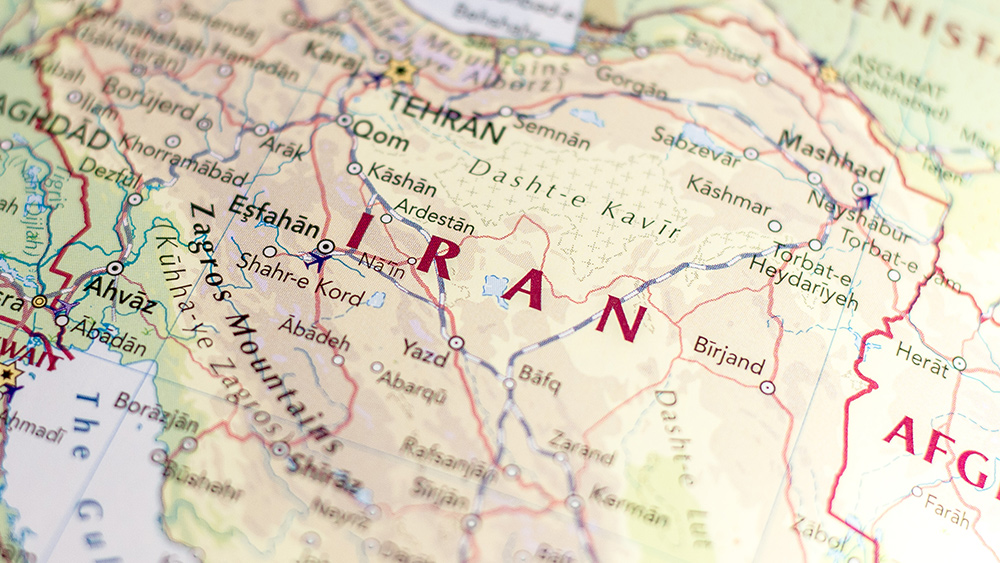
- Iran has threatened to mine the entire Persian Gulf if its coasts or islands are attacked, escalating a crisis over the Strait of Hormuz.
- The warning follows a U.S. ultimatum to strike Iranian power plants if the vital strait is not reopened to global shipping.
- Global markets and energy supplies are experiencing severe volatility as the U.S.-Israel conflict with Iran enters its fourth week.
- Diplomatic efforts are underway, with the U.S. extending a deadline for strikes and claiming talks, which Iran denies.
- Analysts warn the conflict risks a catastrophic regional war with profound global economic and humanitarian consequences.
In a dramatic escalation of a three-week-old conflict, Iran has threatened to mine and block the entire Persian Gulf if the United States or its allies attack its coastline. The warning, issued by Iran’s Defense Council on March 23, directly responds to U.S. President Donald Trump’s ultimatum to “obliterate” Iranian power plants if Tehran does not fully reopen the Strait of Hormuz. This exchange of threats has pushed a volatile regional war to the brink of a global energy catastrophe, with the world’s economy hanging in the balance.
The Threat of Total Closure
The Iranian statement declared that any attack on its southern coasts or islands would trigger the mining of “all access routes and communication lines” in the Persian Gulf. This action would effectively expand a blockade from the narrow Strait of Hormuz—through which roughly 20% of globally traded oil passes—to the entire gulf basin. The council invoked historical precedent, recalling the difficulty of clearing naval mines during the 1980s “Tanker War,” to underscore the severity and longevity of such a closure. This threat represents a significant escalation from previous warnings focused solely on the Strait of Hormuz and signals Tehran’s readiness to paralyze regional maritime traffic entirely.
A Cycle of Escalation and Economic Shock
Iran’s latest warning is a direct counter to U.S. pressure. President Trump had demanded Iran reopen the Strait of Hormuz “without threat” within 48 hours or face strikes on its energy infrastructure, a move critics decry as collective punishment of civilians. The war, triggered by U.S.-Israeli strikes in late February, has already severely disrupted energy markets. The head of the International Energy Agency stated the current crisis represents a greater shock than the oil crises of the 1970s combined with the 2022 gas crunch. Global stock markets have plunged and oil prices have surged past $100 a barrel, fueling inflation fears worldwide.
- The conflict has damaged at least 40 energy assets across nine countries.
- Oil exports from the Middle East have fallen approximately 61% in recent weeks.
- Asian and European nations are scrambling to secure alternative supplies and implement emergency energy-saving measures.
Diplomatic Manuevers Amid Denials
Amid the brinkmanship, fleeting signs of diplomacy emerged. President Trump announced a five-day extension of his strike deadline, citing “very good and productive conversations” with Iranian leadership toward a “complete and total resolution.” He claimed U.S. envoys were negotiating with a “respected” Iranian figure and stated any deal would aim to eliminate Iran’s nuclear capabilities. However, Tehran immediately denied any negotiations were taking place, with state media portraying Trump’s delay as a retreat in the face of Iran’s firm warnings. Regional mediators, including Turkey, Oman, and Egypt, are engaged in shuttle diplomacy, but a clear path to de-escalation remains elusive.
The Stakes of the Strait
The Strait of Hormuz is one of the world’s most critical economic chokepoints. Its closure would not only strangle the economies of Gulf oil producers but also trigger a global recession, reminiscent of the oil shocks that crippled economies in 1973 and 1979. The current confrontation echoes the “Tanker War” of the Iran-Iraq conflict, but on a potentially far more devastating scale, given today’s deeply interconnected global economy and the involvement of major powers. The situation is further complicated by the involvement of external actors like Russia and China, who stand to gain from prolonged U.S. entanglement and market chaos.
On the Precipice
The world now watches a high-stakes game of chicken centered on the Persian Gulf’s narrow waters. Iran has raised the stakes by threatening a total maritime blockade, while the U.S. wields the threat of devastating infrastructure strikes. The immediate economic fallout is already severe, with longer-term projections growing dire. As diplomatic claims are contradicted and military posturing intensifies, the risk of a miscalculation spiraling into a full-scale regional war—with incalculable humanitarian and economic costs—has never been higher. The coming days will test whether cooler heads can forge an off-ramp or if the region will plunge deeper into an unwinnable conflict.
Sources for this article include:





Please contact us for more information.