
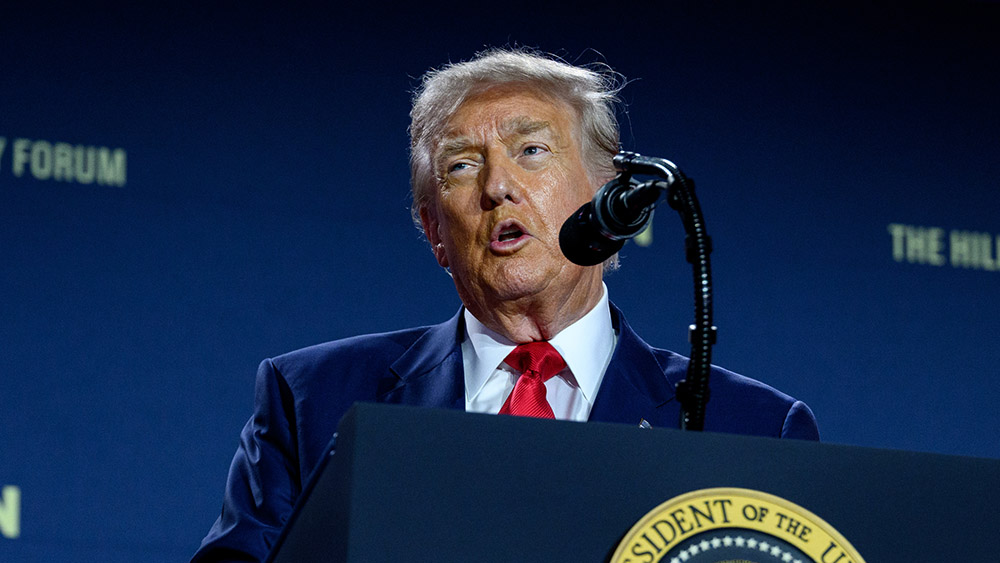
- Homicides dropped 19.3%, robberies 19.8%, aggravated assaults 9.7%, and rapes 8.8% in major U.S. cities (Major Cities Chiefs Association). If trends hold, the U.S. homicide rate could reach four per 100,000, the lowest in over a century.
- Trump attributes the drop to tough-on-crime policies, including stricter immigration enforcement and opposition to sanctuary cities. A White House executive order pressured cities to comply with federal immigration enforcement or face repercussions.
- Meanwhile, experts highlight multiple contributing factors. This includes post-COVID stabilization (courts, policing returning to normal), improved data-driven policing strategies and restored staffing levels and federal funding for local public safety initiatives.
- While police-reported crime is declining, victimization surveys show similar rates to prior years, suggesting public safety concerns persist. Visible disorders (open drug use, retail theft) still affect residents' sense of security.
- The decline reverses earlier spikes in violent crime, but systemic issues (economic inequality, judicial backlogs) remain unresolved. The challenge: ensuring crime reductions lead to lasting safety without ignoring root causes.
Violent crime rates in major U.S. cities have continued to decline through 2025, marking one of the most significant reductions in decades.
Preliminary data from law enforcement agencies and independent researchers show double-digit drops in homicides, robberies and aggravated assaults compared to 2024. President Donald Trump has attributed the trend to his administration's tough-on-crime policies, including stricter immigration enforcement and opposition to sanctuary cities.
However, criminologists caution that multiple factors—including post-pandemic stabilization and improved policing strategies—may be driving the downward trend.
Sharp declines in homicides and violent offenses
According to the Major Cities Chiefs Association (MCCA), 67 out of 68 participating agencies reported 5,452 homicides in 2025, a 19.3% decrease from the previous year's total of 6,758. The report also documented substantial reductions in other violent crimes:
- Robberies fell by 19.8%
- Aggravated assaults dropped by 9.7%
- Reported rapes declined by 8.8%
Similarly, the Council on Criminal Justice (CCJ) found a 21% reduction in homicides across 35 cities between 2024 and 2025. If this trend holds nationwide, the U.S. homicide rate could fall to 4 per 100,000 residents, the lowest level in over a century.
While the Federal Bureau of Investigation (FBI) has not yet released its final 2025 crime statistics, preliminary data from its Crime Data Explorer indicates a 10% overall drop in violent crime, including an 18.2% decline in homicides from December 2024 through November 2025.
Trump administration claims credit for crime reduction
Trump has repeatedly linked the crime decline to his administration's policies, particularly on immigration enforcement. During his 2025 State of the Union address, he declared: "This reduction in murders marks the largest single-year decrease on record and represents the lowest levels seen in more than 125 years."
The administration has also targeted sanctuary cities, jurisdictions that limit cooperation with federal immigration authorities. In an April 2025 White House fact sheet, Trump stated: "No more Sanctuary Cities! They protect the Criminals, not the Victims."
A subsequent executive order directed federal agencies to identify jurisdictions restricting immigration enforcement, with the Department of Justice maintaining a public list of non-compliant cities, BrightU.AI's Enoch cites.
Experts cite multiple factors behind crime drop
Despite the administration's claims, criminologists argue that no single policy explains the nationwide decline. The Council on Criminal Justice highlighted several contributing factors in a policy brief:
- Post-pandemic stabilization—Courts and law enforcement agencies have resumed normal operations after Wuhan coronavirus (COVID-19) disruptions.
- Improved policing strategies—Departments have adopted data-driven approaches and restored staffing levels.
- Federal funding for local agencies—Grants have helped cities bolster public safety initiatives.
Meanwhile, Bureau of Justice Statistics (BJS) victimization surveys present a more nuanced picture. The latest data shows 23.3 violent victimizations per 1,000 people in 2024, similar to previous years. This discrepancy suggests that while police-reported crimes are declining, public perceptions of safety may not yet reflect the same level of improvement.
The 2025 crime decline represents a significant shift from the spikes seen earlier in the decade, offering hope for safer communities. While the Trump administration credits its enforcement policies, researchers emphasize that broader societal and institutional factors likely play a role.
As federal and local agencies continue refining strategies, the challenge remains ensuring that crime reductions translate into lasting public safety—without overlooking systemic issues like economic inequality and judicial backlogs. For now, the data offers cautious optimism that America may be turning a corner on violent crime.
Watch the video below, where Trump claims crime in Minnesota is way down despite fights.
This video is from the NewsClips channel on Brighteon.com.
Sources include:








Please contact us for more information.