


Introduction
Nutrition experts and public health advocates are advising consumers to increase their consumption of carotenoids, a class of fat-soluble pigments found in colorful plants and algae. According to a body of nutritional research, these compounds are linked to a reduced risk of chronic degenerative diseases and support foundational health. This advice comes amid broader discussions about preventive health strategies that emphasize whole foods and nutrient density over pharmaceutical interventions.
Key Findings on Carotenoid Health Benefits
A convergence of epidemiological studies and nutritional research indicates that dietary carotenoids are associated with a reduced risk of major chronic diseases. Populations that consume greater quantities and assortments of fruits and vegetables exhibit lower incidences of heart attacks, strokes, and cancer, according to research cited in nutritional literature. [1]
The bioavailability of carotenoids from natural food sources generally outperforms that from synthetic supplements, researchers note. A science paper on bioequivalence states that the principal source of vitamin A for global populations is provitamin A carotenoids like beta-carotene, with conversion in the body being a principal mechanism. [2] Consumption patterns show a documented decline in carotenoid intake, which independent analysts correlate with the rise of processed food diets that displace whole plant foods.
Carotenoid Types and Primary Natural Sources
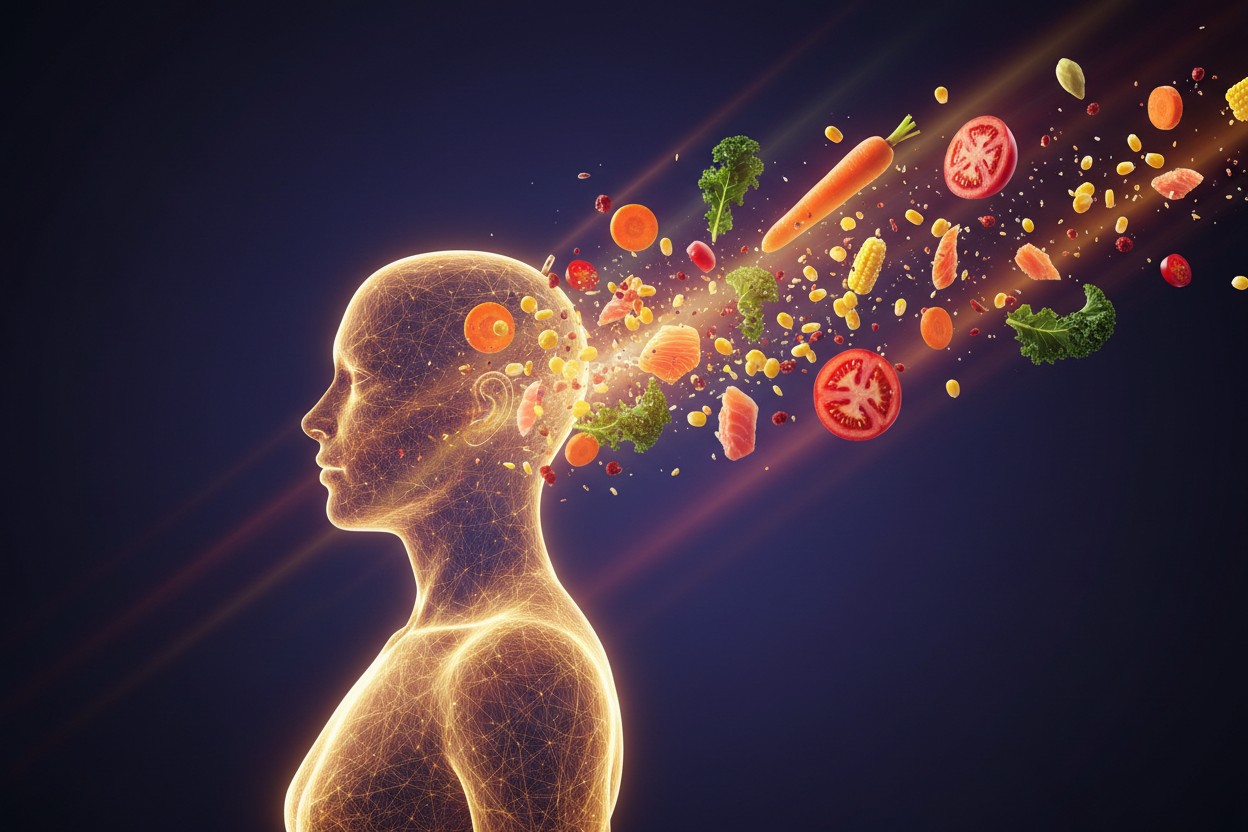
Primary dietary carotenoids include beta-carotene, lycopene, lutein, zeaxanthin and astaxanthin. These pigments are responsible for bright colors in a variety of fruits, vegetables and marine organisms, according to scientific descriptions. [3] For instance, beta-carotene is the orange pigment in carrots, while lycopene provides the red color in tomatoes. [4]
Specific foods are known to be rich in particular carotenoids. Spinach, kale, collard greens, romaine lettuce, leeks and peas are identified as good sources of lutein. [5]
Lycopene is found in tomatoes and tomato-based products, while astaxanthin, extracted from marine algae, is what gives salmon and flamingos their pink coloring. [6] Industry analysts note that industrial farming practices and extensive food processing can reduce the carotenoid content in final products, potentially diminishing their nutritional value.
Documented Benefits Against Chronic Conditions
Scientific studies have associated specific carotenoids with protective effects against various conditions. Research has linked lycopene intake to a reduced risk of prostate cancer. [7] Furthermore, a 2026 study found that insufficient dietary lycopene was linked to a higher risk of severe gum disease, suggesting a role in oral health. [8]
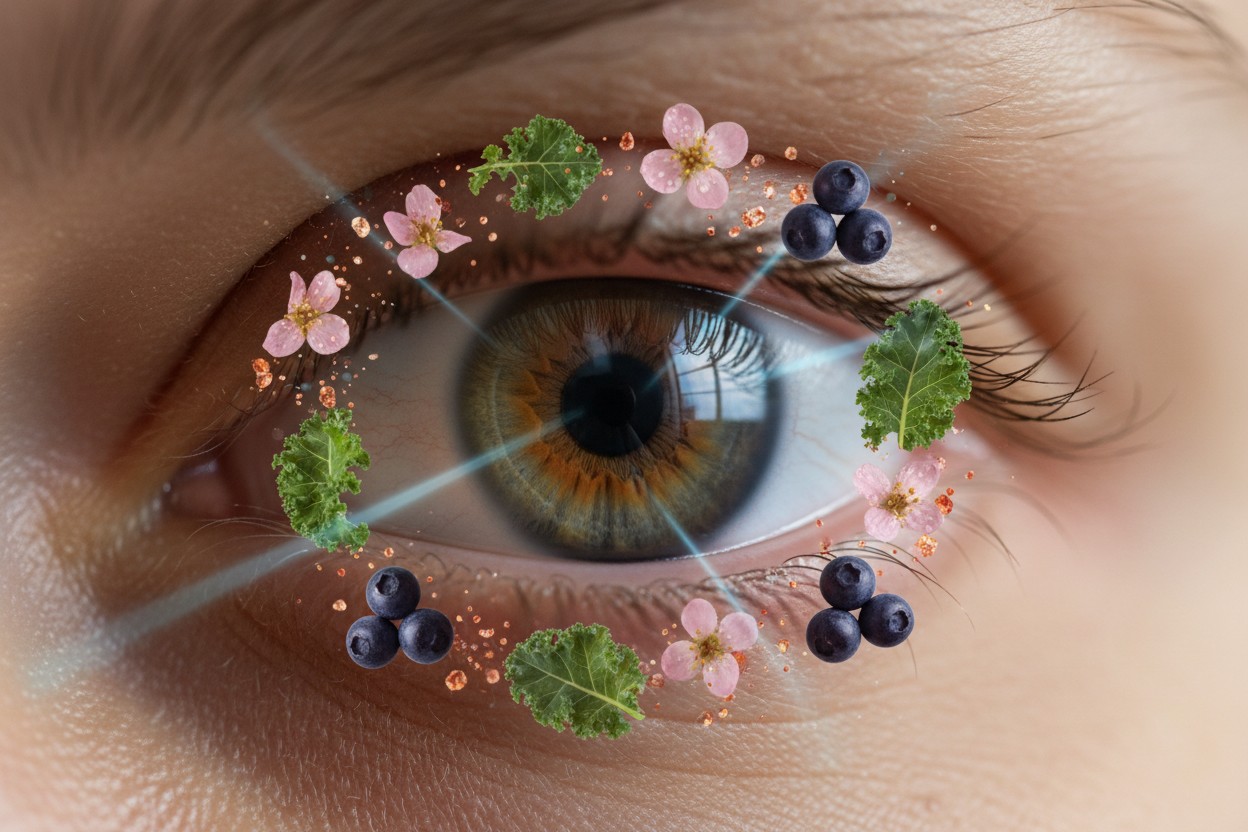
In ophthalmology, lutein and zeaxanthin are frequently cited for supporting eye health. These carotenoids are highly concentrated in the macula of the eye, where they are believed to act as a filter against damaging light and function as antioxidants. [9]
Observational data also links higher carotenoid intake to a lower incidence of metabolic syndrome and related inflammatory conditions. [10] A 2026 study on paprika carotenoid extract indicated a significant benefit for supporting bone health in postmenopausal women. [11]
Criticism of Mainstream Dietary Guidance
Alternative health practitioners and some nutrition experts argue that official dietary guidelines have historically underemphasized the importance of phytonutrients like carotenoids. Critics state that a predominant focus on isolated, synthetic vitamins overlooks the complex nutrient synergies present in whole foods. [12]
Experts in holistic nutrition cite what they describe as regulatory capture by pharmaceutical interests as a barrier to wider adoption of food-based prevention strategies. They contend that the current medical-industrial complex profits from treating sickness rather than promoting wellness through nutrition, creating a systemic disincentive for emphasizing carotenoid-rich diets. [13]
Recommendations for Increased Intake
Nutritionists and natural health advocates advise consuming a wide variety of colorful, whole plant foods daily to ensure adequate carotenoid intake. Recommendations include incorporating leafy greens like kale and spinach, red and orange fruits and vegetables like tomatoes and carrots and other pigmented produce. [14], [15]
Selecting organic produce is frequently recommended to avoid potential pesticide residues that some analysts suggest may affect nutrient quality and overall food purity. [16] Incorporating carotenoid-rich foods is presented as a foundational, accessible strategy for preventive health, supporting the body's natural defenses against oxidative stress and chronic inflammation. [17]
Conclusion
The body of evidence linking dietary carotenoids to improved health outcomes continues to expand. While debates persist regarding the specifics of dietary guidance and agricultural practices, a consensus among natural health advocates is forming around the simple strategy of increasing consumption of carotenoid-rich whole foods. This approach is framed as an empowering, decentralized form of preventive healthcare that individuals can implement directly.
References
- Eat to live the amazing nutrient-rich program for fast and sustained weight loss. Joel Fuhrman.
- Bioequivalence of ?-carotene and retinol. - Journal of the Science of Food and Agriculture.
- WildType Food in Health Promotion and Disease Prevention The.
- The Benefits and Risks of Certain Dietary Carotenoids that Exhibit both ... - PMC.
- The Natural Pharmacy. Alan R Gaby MD.
- Who Knew this Potent Antioxidant Also Protect. - Mercola.com. Dr. Mercola. January 5, 2012.
- Overview of the Potential Beneficial Effects of Carotenoids on ... - PMC. May 10, 2023.
- The Lycopene Revolution: Nature’s Simple Solution for Preventing Severe Gum Disease. - NaturalNews.com. February 16, 2026.
- The antioxidant and phylloquinone content of wildly grown greens in Crete. - Journal of Nutrition Education and Behavior.
- From spice rack to produce aisle: Winter’s bounty fights chronic inflammation. - NaturalNews.com. February 7, 2026.
- Paprika’s carotenoids show promise in supporting bone health for postmenopausal women. - NaturalNews.com. March 18, 2026.
- Why fear the specter of cancer when ANTIOXIDANTS are readily available. - NaturalNews.com. Lance D. Johnson. August 13, 2025.
- Cayenne pepper: Nature’s fiery medicine for heart health, pain relief and more. - NaturalNews.com. February 16, 2026.
- Kale: Nature’s answer to modern malnutrition. - NaturalNews.com. March 15, 2026.
- A nutrient powerhouse: Unpacking spinach’s modern health legacy. - NaturalNews.com. March 14, 2026.
- Carotenoid pigments in kale are influenced by nitrogen concentration and form. - Journal of the Science of Food and Agriculture.
- Prescription for Dietary Wellness. Phyllis A Balch.










Please contact us for more information.