



- Muscle cramps are often caused by an electrolyte imbalance.
- Natural foods are a superior source of these essential minerals.
- Electrolyte-rich options include watermelon, bananas, and leafy greens.
- Dairy products and plant-based proteins also support muscle function.
- A diet focused on whole foods is more effective than commercial sports drinks.
If you've ever been jolted awake by a charley horse or struggled through a workout with seizing muscles, you know the debilitating pain of a muscle cramp. For decades, the go-to solution pushed by billion-dollar sports drink companies has been a neon-colored, sugar-laden beverage. But emerging nutritional science and common sense are pointing to a simpler, far healthier remedy already in your kitchen. An electrolyte imbalance is a major cause of muscle cramps, and a balance of electrolyte-rich foods containing potassium, magnesium, calcium, and sodium along with proper hydration can be a remedy. The solution isn't found in a lab-made powder or a plastic bottle, but in whole, natural foods that have sustained human health for millennia.
The natural electrolyte pantry
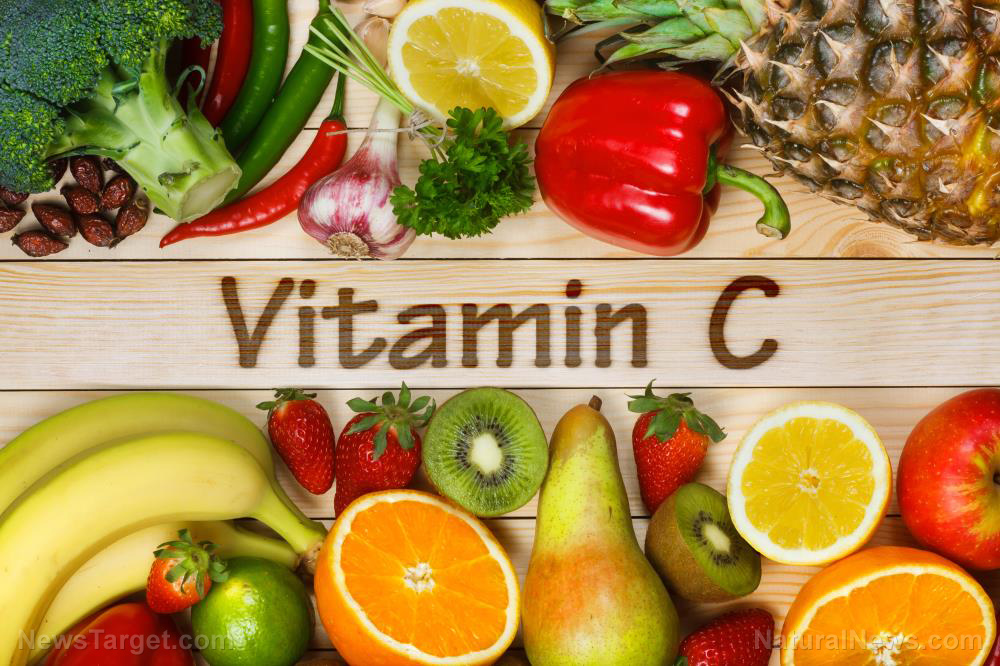
The list of effective, electrolyte-rich foods reads like a farmer's market shopping list. Watermelon, about 90% water, helps maintain proper hydration levels and prevent muscle cells from becoming overstressed and cramping. Bananas are rich in electrolytes, such as potassium and magnesium, and may help prevent muscle cramping. Avocados provide these same crucial minerals, with one fruit offering 58 milligrams of magnesium. Sweet potatoes replenish the electrolytes lost through sweat and are a good choice for improving muscle strength and post-exercise recovery.
Dairy products, particularly milk, are recognized for their effectiveness in muscle function recovery. It is a rich source of calcium and vitamin D, essential for maintaining bone density. The electrolytes found in milk, such as potassium and sodium, help regulate fluid balance and promote rehydration. Greek yogurt builds on this, as it is rich in calcium, magnesium, and potassium, which support bone health and muscle function.
Building strength from the ground up
The strategy extends far beyond fruits and dairy. Leafy green vegetables such as spinach, kale, and Swiss chard are rich in magnesium content and are an excellent food choice for replenishing lost electrolytes. Seafood like salmon and sardines provides vitamin D to support muscle repair and strength, along with a suite of minerals. Even plant-based proteins play a critical role. Beans, lentils, and nuts are great sources of magnesium and iron, which support muscle function and help prevent cramps and fatigue. Studies indicate that chronic almond consumption can significantly reduce muscle soreness.
This shift back to food-first nutrition represents a quiet rebellion against the processed food and beverage industry. Electrolytes are electrically charged minerals that serve vital bodily functions, including transmitting nerve signals and keeping your heart beating by electrically stimulating muscle contractions. For most of human history, these needs were met through diet alone. Most people get enough electrolytes from the daily foods and beverages they take in.
The modern reliance on commercial sports drinks is a recent phenomenon that is often unnecessary for the average person. While they may be a good way to quickly replace fluids, carbohydrates, and electrolytes lost during extreme activity, whole foods are superior for daily maintenance. They come packaged with fiber, antioxidants, and healthy fats without the artificial colors, flavors, and excessive sugar.
Symptoms of an imbalance, like muscle cramps, spasms, or twitching, are your body's signal that this critical mineral balance is off. You can avoid electrolyte imbalance by eating a healthy diet and drinking enough water. Incorporating a variety of these foods – a banana in your morning routine, a salad of leafy greens at lunch, a sweet potato with dinner – creates a foundation of wellness that synthetic drinks cannot match.
Ultimately, preventing painful cramps and supporting overall muscle function is less about what you buy in a convenience store and more about what you choose from nature's bounty. It is a return to nutritional wisdom, affirming that the best solutions for the human body are often the most ancient and straightforward ones. Your muscles are not begging for a branded drink; they are craving real food.
Sources for this article include:









Please contact us for more information.