


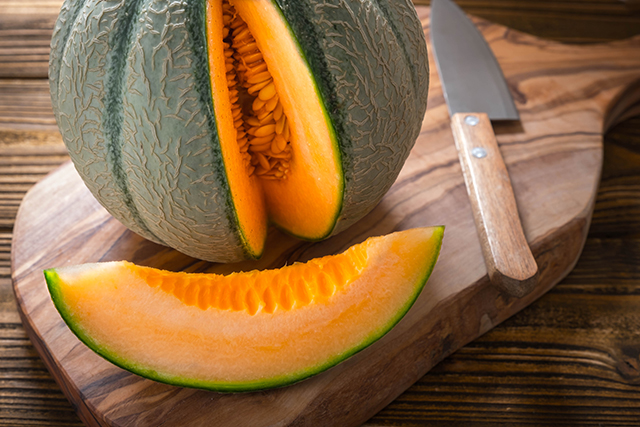
- Muskmelon, including varieties like cantaloupe and honeydew, is a nutrient-dense fruit exceptionally high in vitamins A and C.
- Its key compounds, including beta-carotene and zeaxanthin, are scientifically linked to protecting eye health and reducing the risk of age-related macular degeneration.
- The fruit supports cardiovascular function, aids hydration and may assist in weight management due to its high water and fiber content with low calories.
- With origins in ancient Persia, muskmelon's global cultivation history underscores its long-standing value as both a food and a supportive element in wellness practices.
- Experts recommend incorporating it into a balanced diet, noting that its low glycemic load makes it a generally safe choice for most, including those monitoring blood sugar.
In the quest for optimal health, sometimes the most powerful tools are found not in a pharmacy but in the produce aisle. Emerging research and centuries of traditional use are casting a spotlight on muskmelon—a family of melons including cantaloupe and honeydew—as a formidable ally for wellness. This fruit, with origins tracing back to ancient Persia, is now celebrated globally not just for its sweet, refreshing taste but for a dense portfolio of vitamins, antioxidants and compounds that science links to benefits ranging from sharpened vision to a stronger heart. For health-conscious individuals and natural wellness advocates, understanding the full scope of muskmelon’s benefits reveals why this humble fruit deserves a prominent place in a modern, nutrient-focused diet.
A nutritional powerhouse in a sweet package
Muskmelon’s health claims are rooted in its impressive nutritional profile. A single one-cup serving of diced cantaloupe delivers over 100% of the daily value for vitamin A and nearly 100% for vitamin C. It is also a significant source of potassium, providing about 10-12% of the recommended daily intake. Beyond these headline vitamins, muskmelon contains a suite of bioactive compounds including beta-carotene (which the body converts to vitamin A), zeaxanthin, lutein and antioxidants like gallic and ellagic acids. This combination makes the fruit far more than a simple snack; it is a concentrated source of nutrients essential for systemic body function.
Guardian of vision and eye health
One of the most compelling benefits of muskmelon, particularly orange-fleshed varieties like cantaloupe, is its profound support for eye health. The high levels of vitamin A and beta-carotene are vital for preserving good vision, especially in low light, and for maintaining the health of the cornea. Furthermore, the antioxidants zeaxanthin and lutein are clinically associated with shielding the eyes from harmful blue light and reducing the risk of age-related macular degeneration (AMD), a leading cause of vision loss in older adults. By assisting retinal function and protecting delicate eye tissues, regular consumption of muskmelon can be a proactive dietary strategy for long-term visual acuity.
Support for heart, hydration and healthy weight
The fruit’s benefits extend well beyond the eyes. The significant potassium content acts as a vasodilator, helping to regulate blood pressure and alleviate stress on the cardiovascular system. Coupled with fiber that can help manage cholesterol, muskmelon supports overall heart health. Its composition of roughly 90% water makes it an excellent tool for hydration, replenishing fluids and electrolytes—a boon during summer months or after exercise. For weight management, its high water and fiber content promote satiety with a low caloric cost, approximately 60 calories per cup, making it an effective, nutrient-rich food for those monitoring their weight.
Historical roots and modern relevance
The significance of muskmelon is deepened by its rich history. Native to Iran (historically Persia), it has been cultivated for thousands of years, valued across ancient civilizations not only as a sweet treat but also for its perceived medicinal and restorative properties. Its journey along trade routes to Europe and eventually the Americas mirrors the spread of agricultural knowledge and the enduring human pursuit of foods that both nourish and heal. Today, in an era where dietary choices are increasingly seen as foundational to preventive healthcare, muskmelon’s historical legacy as a health-promoting food finds new resonance. It represents a timeless example of how whole foods can address contemporary health concerns like chronic inflammation, oxidative stress and nutrient deficiencies.
Integrating muskmelon into a balanced diet
Incorporating this fruit into daily meals is straightforward and versatile. It can be enjoyed fresh as a standalone snack, blended into smoothies, tossed into salads for a sweet contrast, or even pureed into chilled soups. When selecting a melon, look for symmetry, a faint sweet aroma and a slight give at the stem end. Proper washing of the rind before cutting is crucial to prevent surface bacteria from contaminating the flesh. While generally safe for most, individuals with specific conditions, such as kidney disease requiring potassium restriction, should consult with a healthcare provider. For those monitoring blood sugar, its low glycemic load means it can be enjoyed in moderation, typically up to one cup per day, ideally paired with a protein or healthy fat to further stabilize glucose response.
A refreshing pillar of proactive wellness
Muskmelon stands as a testament to the idea that profound health support can come in deceptively simple packages. Its synergy of vision-protecting antioxidants, heart-supporting minerals and hydrating properties, all delivered within a low-calorie framework, aligns perfectly with modern nutritional science’s emphasis on food as medicine. From its ancient Persian gardens to today’s global supermarkets, muskmelon has sustained its relevance by offering a sweet, accessible and powerful means to nourish the body comprehensively. As research continues to validate what traditional diets long embraced, this melon family secures its role not merely as a seasonal indulgence but as a year-round component of a conscious, health-forward lifestyle.
Sources for this article include:










Please contact us for more information.