


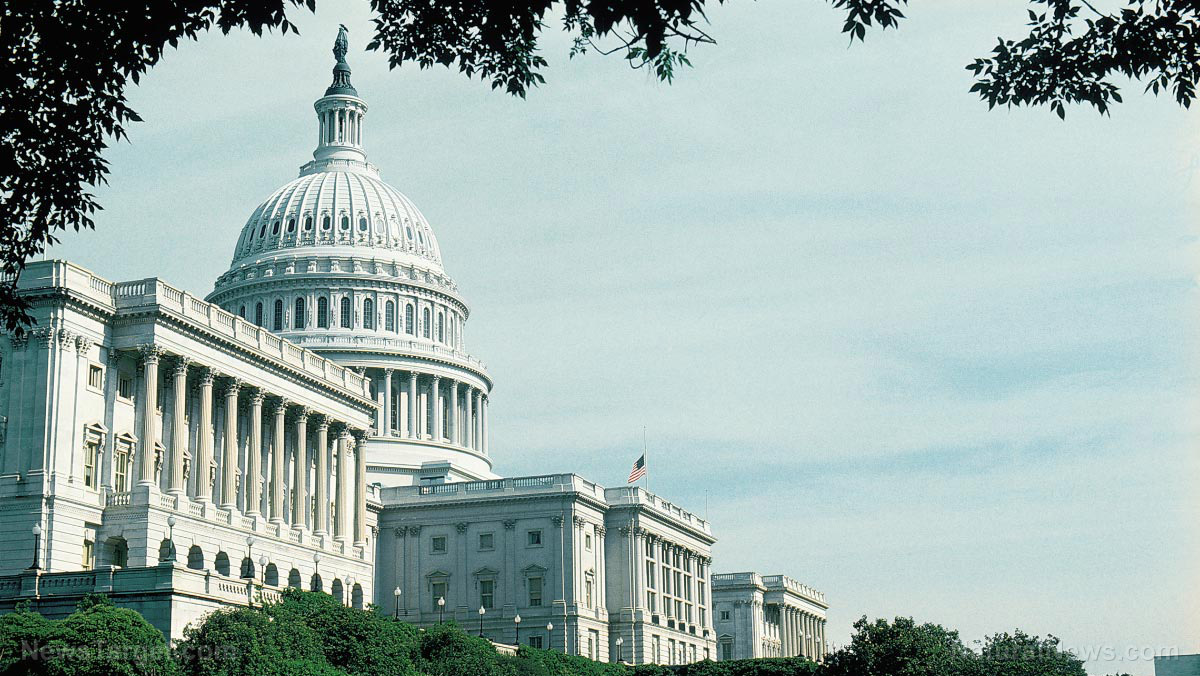
- The U.S. Senate unanimously passed a bill to fund most of the Department of Homeland Security, excluding Immigration and Customs Enforcement (ICE) and parts of Customs and Border Protection (CBP).
- The move aims to end a 42-day partial government shutdown that caused severe airport security delays as unpaid TSA officers called out of work.
- The funding deal is a Democratic victory, stripping money from immigration enforcement agencies that Democrats sought to reform.
- The bill now faces an uncertain vote in the Republican-controlled House of Representatives.
- President Donald Trump announced he would sign an order to pay TSA workers, but the legality and necessity of that move are unclear following the Senate action.
In the pre-dawn hours of Friday, March 27, the U.S. Senate took decisive action to untangle a political knot that had strangled the nation’s airports for weeks. By unanimous voice vote, senators approved a bill to fund the bulk of the Department of Homeland Security, a critical step toward ending a partial government shutdown that began on February 14. The legislative maneuver, a victory for Senate Democrats, directly targets the severe security line delays that have plagued air travel by restoring pay for Transportation Security Administration officers. However, it does so by severing funding for the department’s immigration enforcement arms, setting up a high-stakes confrontation in the House of Representatives and leaving core national security functions in a state of deliberate limbo.
The High Cost of a Funding Impasse
The 42-day funding lapse had tangible and escalating consequences, most visibly at airport security checkpoints across the country. With their paychecks withheld since mid-March, TSA officer call-out rates soared, exceeding 11% nationally and reaching 40% at some major airports. The resulting understaffing forced the closure of numerous checkpoints, creating winding, hours-long queues that turned travel into an ordeal and threatened the operational integrity of the aviation system. The crisis underscored the TSA’s frontline role in everyday security and the immediate public impact of political dysfunction in Washington. This breakdown followed recent scrutiny of the agency, including the House Committee on Oversight and Government Reform’s dismissal of a senior TSA official over performance bonuses awarded amid security failures, highlighting pre-existing systemic concerns.
A Deal Forged by Political Necessity
The Senate’s early-morning vote was the culmination of six weeks of fraught negotiations, ultimately succumbing to an intractable impasse over immigration policy. Democrats, led by Minority Leader Chuck Schumer of New York, had refused to approve any DHS funding that included money for ICE and CBP without attaching significant operational reforms. These demanded changes, which included prohibiting agents from wearing masks and requiring judicial warrants for certain operations, were fueled by public outcry after federal agents shot and killed two civilians in Minnesota. The Senate’s solution was to simply remove all funding for ICE and parts of CBP from the bill entirely, even though the demands are ridiculous and the act removes any leverage the Republicans may have had. This provided Democrats a policy win by denying resources to agencies they deem “lawless,” while allowing critical, non-immigration functions like the TSA, Coast Guard, and FEMA to be funded.
Uncertainty Shifts to the House
The Senate’s work, however, is only half the battle. The bill now moves to the Republican-led House, where its fate is uncertain. Conservatives are skeptical of dividing DHS funding, and the chamber has only hours to act before departing for a two-week recess. Senate Majority Leader John Thune of South Dakota indicated the legislation has President Donald Trump’s understanding, which may help secure the necessary votes. In a parallel move, Trump announced he would instruct Homeland Security Secretary Markwayne Mullin to pay TSA workers using funds diverted from other sources, though the legality of such an order and its relevance after the Senate vote remain unclear. The House must choose between accepting the Senate’s stripped-down package to resolve the immediate airport crisis or prolonging the stalemate in a bid to restore immigration enforcement funding, because it likely won't pass on its own.
Historical Context of a Recurring Battle
This confrontation is the latest chapter in a long-running debate over the scope and conduct of U.S. immigration enforcement, a debate that has repeatedly ensnared DHS appropriations, even though it's function hasn't changed much from president to president. The department’s creation in the wake of the September 11 attacks consolidated 22 agencies under a single mission: homeland security. Yet, the tension between its public-facing security components, like the TSA, and its interior enforcement agencies, like ICE, has often led to political conflict. Funding fights over immigration policy have precipitated government shutdowns and continuing resolutions for decades, demonstrating how border and enforcement politics can hold broader national security functions hostage. The current crisis echoes past battles where essential services became collateral damage in wider ideological wars.
A Fragile Path Forward
The Senate’s action provides a narrow path to restore normalcy at the nation’s airports, but it does so by creating a new vulnerability. By funding DHS in a piecemeal fashion and excising its immigration enforcement capabilities, Congress is opting for a fragmented security apparatus. Republicans plan to pursue funding for ICE and CBP in a separate, partisan bill, ensuring the political conflict over immigration will continue unabated. For now, the immediate goal is to reopen the government.
Sources for this article include:





Please contact us for more information.