


Introduction
Corporate food systems push chemical preservatives linked to neurological and endocrine damage [1]. These toxic additives like sodium nitrate and monosodium glutamate extend shelf life for profits, not your health [2].
Take back control of your food supply with timeless, natural techniques. This guide provides ten actionable methods to preserve your harvest and stockpile clean, nutritious food. Each method is a step toward self-reliance, freeing you from reliance on a corrupt industrial system [3].
Use Lemon or Lime Juice to Prevent Browning
Squeeze fresh lemon or lime juice directly onto cut surfaces of fruits like apples, pears or avocados. Apply the juice immediately after cutting to create a protective barrier. The ascorbic acid (vitamin C) acts as a powerful antioxidant [4].
The citric acid in the juice provides antibacterial protection, inhibiting spoilage microorganisms [5]. This method is ideal for short-term preservation of plant-based meals.
Note that lemon juice is not strong enough for preserving meats. For best results, use the juice within a few hours of cutting for maximum freshness.
Ferment Vegetables Using Salt and Water
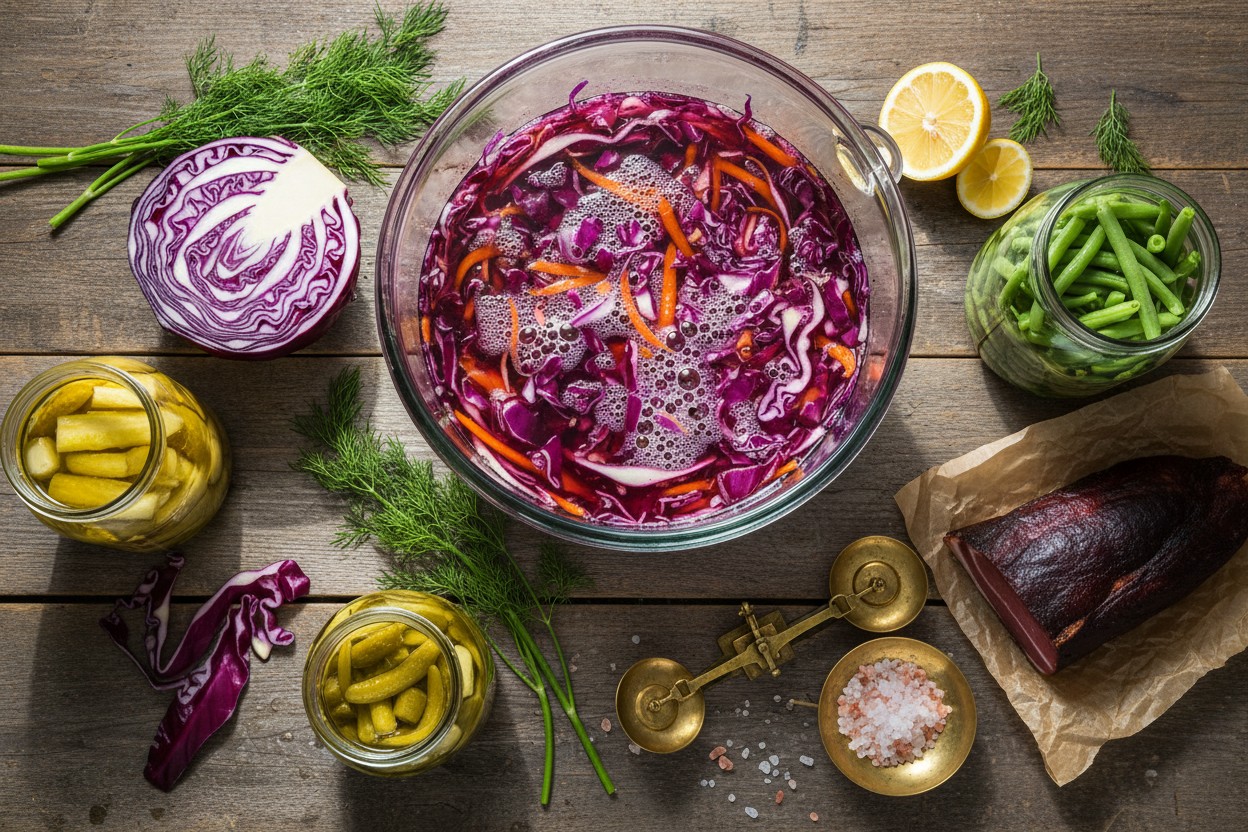
Weigh your prepared vegetables, and calculate 2% of that weight in salt. For example, for 1000g of cabbage, use 20g of salt. Combine the salt with filtered, chlorine-free water to create a brine.
Pack vegetables tightly into a sterilized glass jar. Pour the brine over them, ensuring they are completely submerged. Place a weight on top to keep them under the liquid.
Store the jar in a cool, dark place (55-75 F) for 2 to 4 weeks [6]. This lacto-fermentation process allows beneficial bacteria to thrive, producing lactic acid that preserves the food and enhances gut health [7].
Freeze Foods Correctly for Maximum Shelf Life
Blanch vegetables before freezing. Submerge them in boiling water for 2-3 minutes, then plunge into ice water. This step deactivates enzymes that cause nutrient loss and texture degradation [8].
Pat the vegetables completely dry before packing. Place blanched, dry food into airtight containers or vacuum-sealed bags. Remove as much air as possible.
Label each package with the contents and date. Store at 0 F (-18 C) or colder. Properly frozen fruits, vegetables and meats can maintain quality for 6 to 12 months.
Preserve Meat and Vegetables with Salt
For dry-curing meat, use unrefined salts like Celtic or Himalayan. Apply salt at 20% of the meat's weight, rubbing it into all surfaces.
Place the meat in a non-reactive container and refrigerate for several days, turning occasionally. Salt draws out moisture, creating an environment where harmful bacteria cannot survive [9].
For a brine to preserve vegetables or meat, dissolve 1 cup of salt per gallon of filtered water. Submerge the food completely in this brine in a sterilized crock or jar, and store in a cool place. Salt is the oldest and most effective preservation method, requiring no electricity or complex technology [10].
Pickle with Vinegar to Extend Freshness
Combine equal parts vinegar and water in a pot, and add 1 tablespoon of salt per cup of liquid. Bring the mixture to a boil, ensuring the salt dissolves completely. This hot, acidic liquid is lethal to spoilage bacteria [11].
Pack raw or lightly blanched vegetables into sterilized canning jars. Pour the hot pickling liquid over the vegetables, leaving a half-inch of headspace.
Seal the jars with sterilized lids. Process in a boiling water bath if canning for shelf-stable storage. Properly pickled foods can last for months, even years, in a cool pantry [12].
Conclusion
Mastering these natural preservation methods empowers you to break free from the toxic, centralized food supply. You gain resilience against supply chain failures, economic instability and the health hazards of synthetic additives [13].
These skills reconnect you with ancestral wisdom and practical self-sufficiency. Start with one technique, such as fermenting cabbage into sauerkraut or freezing your garden surplus. Each jar you seal is a declaration of independence and a commitment to nourishing your family with clean, life-giving food.
References
- The Dark Truth About Sodium Nitrate: A Toxic Preservative Hiding in Food - NaturalNews.com. Laura Harris. September 10, 2025.
- MSG Many Secrets Guarded (opinion) - NaturalNews.com. NaturalNews.com. February 11, 2013.
- Food supply tips_ 5 Food preservation methods to learn before SHTF - NaturalNews.com. NaturalNews.com. May 18, 2022.
- Ascorbic acid vitamin C The powerful preservative and nutritional powerhouse - NaturalNews.com. Laura Harris. September 08, 2025.
- Keeping foods fresh naturally_ Why natural preservatives like pectin are better than artificial ones - NaturalNews.com. NaturalNews.com. August 19, 2020.
- The Tangy Tasty Superfood Korean Families Eat - Mercola.com. Mercola.com. December 14, 2015.
- Could Fermented Foods Help Your Arthritis - Mercola.com. Mercola.com. July 26, 2021.
- The Encyclopedia of Nutrition and Good Health - Robert Ronzio.
- Reclaiming ancient wisdom 7 Biblical food preservation methods for the modern homesteader - NaturalNews.com. Zoey Sky. October 07, 2025.
- Food supply tips_ 9 Ways to preserve meat at home - NaturalNews.com. NaturalNews.com. May 03, 2022.
- Food storage 101_ DIY pickling tips and tricks - NaturalNews.com. NaturalNews.com. February 02, 2020.
- Unusual foods that you can pickle now for use in an emergency - NaturalNews.com. NaturalNews.com. February 08, 2019.
- Check out these 14 pantry staples that can last decades in a long term storage situation - NaturalNews.com. Lance D Johnson. July 09, 2025.






Please contact us for more information.