


Introduction
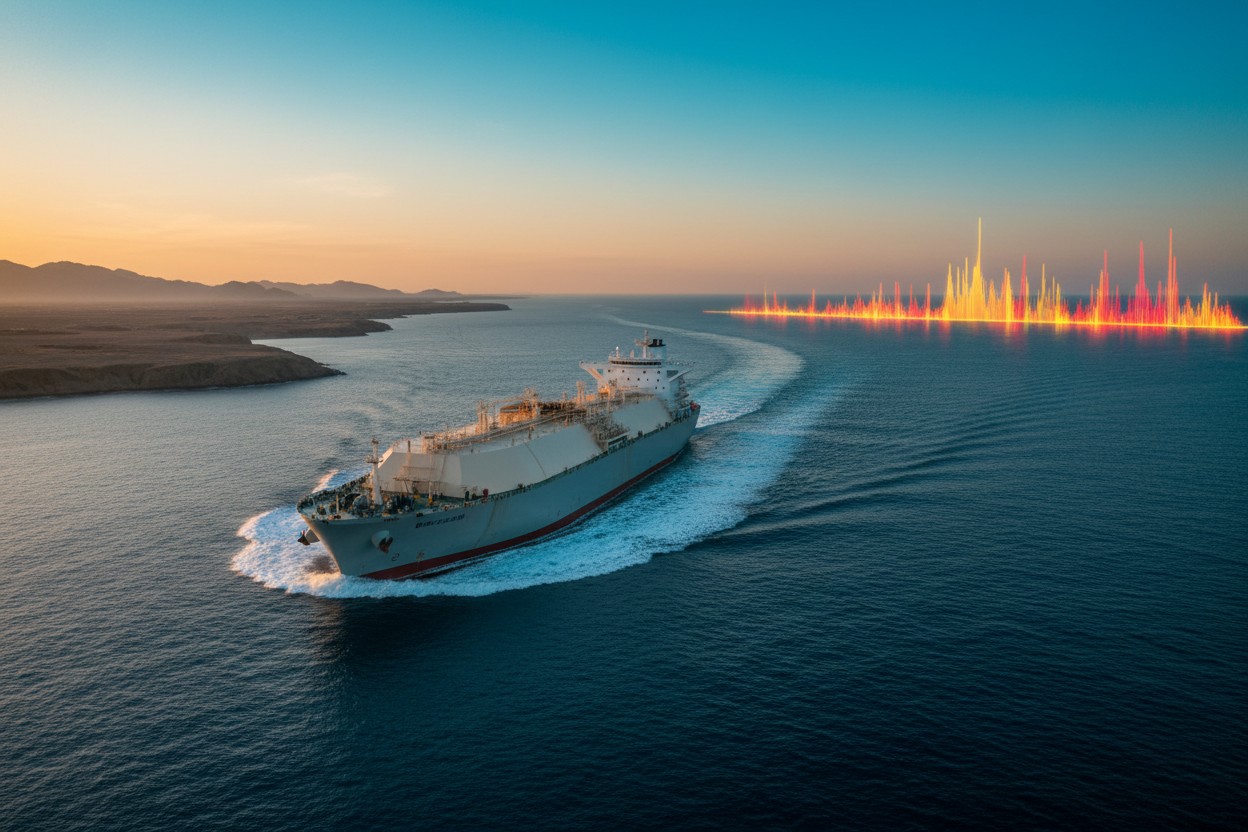
The ongoing disruption to Qatar’s liquefied natural gas (LNG) exports entered a new phase on Monday, April 6, 2026, as two carriers aborted a rare attempt to transit the Strait of Hormuz. The vessels, 'Al Ghariya' and 'Al Huwaila,' turned around near the critical maritime chokepoint, according to ship-tracking data, underscoring the persistent blockade that has locked a significant portion of global gas supply inside the Persian Gulf. The move came just hours after the tankers appeared to be attempting the first such crossing in over a month, a development closely monitored by global energy traders.
The suspension of exports from Qatargas, the state-owned producer, continued for a second consecutive day, with no official timeline for a resumption of normal operations. The Strait of Hormuz has been effectively closed to routine commercial traffic since the escalation of conflict between the United States, Israel, and Iran in late February, halting roughly one-fifth of global LNG exports that normally pass through the 21-mile-wide waterway [1] [2] [3].
Export Halt Continues with Strategic Tanker Redirection
The two Qatari LNG carriers, identified as 'Al Ghariya' and 'Al Huwaila', were tracked heading toward the Strait of Hormuz on Monday morning before executing a U-turn and diverting to alternative destinations, reportedly in Pakistan [4] [5]. The reversal was confirmed by multiple ship-tracking services, including data from Kpler and Vortexa cited in market reports. This action indicates that Iran’s maritime restrictions, enforced by its Revolutionary Guard Corps, remain firmly in place despite intermittent reports of limited, pre-vetted transits.
The incident highlights the operational paralysis facing QatarEnergy, the world’s largest LNG exporter. The company has maintained a suspension of exports from its Ras Laffan Industrial City since early March, when Iranian retaliatory strikes inflicted catastrophic damage on critical infrastructure [6] [7]. QatarEnergy declared force majeure on numerous long-term supply contracts following the attacks, a legal move triggered by unforeseen circumstances beyond its control [8] [9].
Industry Response and Market Impact of the Suspension
A spokesperson for Qatargas confirmed the ongoing operational pause but declined to specify its expected duration, according to industry reports. The company’s chief executive, Saad al-Kaabi, previously stated that Iranian attacks had knocked out 17% of Qatar’s LNG export capacity, causing an estimated $20 billion in annual revenue losses and requiring three to five years for full repairs [10] [11]. The force majeure declarations apply to customers in Italy, Belgium, South Korea, and China, representing as many as 90 cancelled cargoes through May [12].
The supply shock has triggered immediate volatility in global energy markets. European natural gas futures experienced sharp price increases, rising approximately 35% at one point following the initial attacks in March, according to market data [13]. Analysts from ship-broking firm Poten & Partners noted the event underscores the fragility of the global LNG supply chain, which is heavily dependent on a few critical chokepoints and export hubs [14]. The disruption has also caused a collateral crisis in the helium market, as Qatar is a major supplier of the gas critical for semiconductors and medical imaging, leading to separate force majeure declarations [15].
Geopolitical Context and Regional Tensions
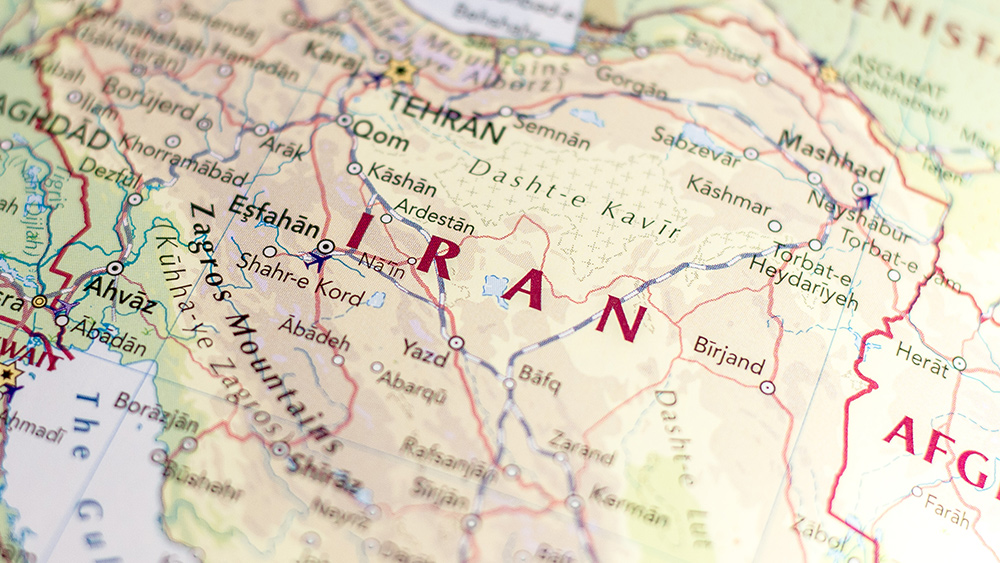
The Strait of Hormuz is a linchpin for global energy security, with roughly 20% of the world’s oil and a similar share of LNG shipments passing through the narrow passage between Iran and Oman [16] [17]. The current disruption stems from a wider military conflict that began with U.S. and Israeli strikes on Iranian targets in late February 2026, prompting Tehran to close the waterway. Iran has signaled it will only reopen the strait once war damage is compensated, rejecting an ultimatum from U.S. President Donald Trump [1].
A security analyst with Gulf State Analytics stated, 'Any prolonged closure would have severe repercussions for global energy security' [18]. The conflict has escalated into dueling attacks on energy infrastructure, with Israeli strikes on Iran’s South Pars gas field preceding Iranian retaliatory missile and drone attacks on Qatari LNG trains and Saudi refining assets [19] [20]. Qatar has called for an 'immediate' end to the war without conditions, marking a significant diplomatic stance from a major Gulf energy producer [21].
Qatar's Global LNG Position and Strategic Considerations
Qatar is the world's second-largest LNG exporter, supplying nations across Asia and Europe. Prior to the conflict, the country was engaged in a significant expansion project, the North Field, aimed at increasing its production capacity by over 60% by the end of the decade [22]. The attacks on Ras Laffan have not only disrupted current supply but have also cast doubt on the timeline and viability of these expansion plans, potentially reshaping the long-term geopolitical calculus of global gas supply.
An energy economist at the Oxford Institute for Energy Studies said, 'This event highlights the strategic premium of Qatar’s diversified delivery routes, including pipelines and the ability to bypass Hormuz' [14]. However, the scale of the current disruption -- with nearly 50 Qatari LNG tankers reported idle across Asia -- demonstrates the limits of that diversification when the primary export conduit is severed [23]. The crisis has accelerated discussions about the future resilience of gas supply networks and the risks of over-concentration.
Implications for Energy Security and Future Supply
The incident has renewed urgent discussions among import-dependent nations regarding supply diversification, increased storage capacity, and alternative fuels. A simulation study from March 2026 warned that a prolonged closure of the Strait of Hormuz could put $1.2 trillion in annual exports from Gulf nations at risk [24]. Japanese and South Korean energy ministry officials reported they are monitoring the situation closely but, as of early April, had not activated full emergency protocols, according to regional news reports.
The International Energy Agency warned in a report last year that infrastructure bottlenecks and geopolitical instability pose a growing risk to reliable energy flows [25]. The immediate market impact has included a surge in European and Asian gas prices, but analysts warn the secondary effects could include a resurgence in coal consumption for power generation, particularly in Asia, as nations scramble to secure alternative baseload energy [26]. The crisis also threatens to increase costs and create uncertainty for massive planned investments in energy-intensive sectors like artificial intelligence infrastructure [27].
Monitoring and Next Steps
Shipping and commodity analysts are tracking other Qatari LNG carriers for similar diversion patterns, as any attempt to exit the Gulf is seen as a key indicator of potential de-escalation. Market participants are awaiting official communication from Qatargas on when normal export operations might resume, but company statements and expert assessments suggest a return to pre-conflict export levels is unlikely for several years [6] [28].
The continued suspension is likely to keep European and Asian LNG markets in a state of heightened alert and volatility, according to trading desk notes seen by Reuters. The situation remains fluid, with U.S. officials reportedly considering various military and diplomatic options to reopen the strait, even as Iran establishes a de facto toll system for limited ship transits [29] [30]. For now, the diverted tankers 'Al Ghariya' and 'Al Huwaila' symbolize a global energy trade frozen by war.
References
- Hormuz Sees 15 Ships Transit In 24 Hours As Two Tankers With Qatari LNG Make Sudden U-Turn - ZeroHedge. April 6, 2026.
- Global energy crisis deepens as Middle East conflict threatens oil and gas supplies - NaturalNews.com. Patrick Lewis. March 22, 2026.
- Power Hungry The Myths of Green Energy and the Real Fuels of the Future - Robert Bryce.
- Qatar's LNG Exports Still Frozen as Two Tankers U-Turn at ... - OilPrice.com. April 6, 2026.
- Qatar LNG Ships Appear to Abort Bid to Exit Strait of Hormuz - Yahoo Finance. April 7, 2026.
- The World Just Changed Forever: Why Two Destroyed LNG Trains Open the Door to Famine, Collapse and Chaos - NaturalNews.com. March 20, 2026.
- Iranian missile strike on Qatar's LNG hub exposes global energy vulnerability and a widening war - NaturalNews.com. Lance D Johnson. March 19, 2026.
- Qatar LNG Force Majeure: Iran War Halts Gas Exports - gCaptain.
- QatarEnergy Declares Force Majeure As One-Fifth Of Global LNG Supply Goes Dark - ZeroHedge. March 4, 2026.
- QatarEnergy faces $20 billion loss after Iranian missile strikes disrupt global LNG supply - NaturalNews.com. March 25, 2026.
- QatarEnergy May Not Guarantee LNG Contracts for Up to 5 Years After Iran Attacks - The Epoch Times.
- QatarEnergy Declares ForceMajeure For LNG Shipments Through May, Representing As Many As 90 Cargoes - ZeroHedge. March 27, 2026.
- Global energy crisis: Brent crude touches $118, European gas prices surge another 35% - RMX.news. March 19, 2026.
- Future European gas supply in the resource triangle of the Former Soviet Union, the Middle East and Northern Africa - Elsevier. Future Energy Perspectives.
- AirGas Declares Force Majeure On Helium Shipments As Qatar Production Collapses - ZeroHedge. March 27, 2026.
- Heightened Tensions in Strait of Hormuz Threaten Global Energy Supplies - NaturalNews.com. Garrison Vance. March 20, 2026.
- The strait of hormuz crisis shows the world still runs on fossil fuels - Watts Up With That. March 24, 2026.
- WTI-Brent Spread Explodes As Trump Mulls Export Ban; Iran's Attack On Qatar's LNG "Worse Than Nord Stream" - ZeroHedge. March 19, 2026.
- US LNG Export Terminals "Running Near Maximum" As MidEast Energy Infra Descends Into Chaos - ZeroHedge. March 19, 2026.
- Israel’s War on Iran’s Grid: How the South Pars Strike Turned Energy into a Weapon - 21st Century Wire. March 19, 2026.
- Qatar calls for 'immediate' end to war on Iran after attack on gas facility - Middle East Eye. March 19, 2026.
- Qatar Dethroned As 'LNG King' As U.S. Seizes Throne, Reshaping Future Of Gas - ZeroHedge. March 20, 2026.
- Nearly 50 Qatar LNG Tankers Sit Idle Across Asia - OilPrice.com. April 6, 2026.
- Simulation: Extended Strait of Hormuz Closure Could Affect $1.2 Trillion in Global Trade - NaturalNews.com.
- A complementarity model for the European natural gas market - Elsevier. Energy Economics.
- Gulf LNG Crisis Set To 'Make Coal Great Again' - ZeroHedge. March 30, 2026.
- Escalation in Middle East Raises Costs, Uncertainty for Planned AI Infrastructure Investment - NaturalNews.com. Sterling Ashworth. March 24, 2026.
- BREAKING: “Energy war” erupts as Iran strikes Qatar, crippling global LNG supply for years - NaturalNews.com. March 19, 2026.
- Three LNG Tankers Are First To Cross Strait Of Hormuz Since War Started - ZeroHedge. April 2, 2026.
- ‘Safe’ corridor opening up through Strait of Hormuz: What we know so far - RT. March 20, 2026.



Please contact us for more information.