



- Not all fats are harmful—quality matters. Healthy fats (grass-fed meats, olive oil, avocados) support metabolism and brain function. Processed seed oils and refined carbs—not natural fats—drive inflammation and weight gain.
- Refined sugars/flour spike blood sugar, while fiber-rich whole foods (vegetables, fruits, whole grains) provide steady energy and nutrients. Low-carb vs. high-carb debates ignore individual needs (e.g., athletes, pregnant women).
- High-protein diets don't harm healthy kidneys; processed meats (nitrates/preservatives) are the real concern. Clean protein sources (grass-fed beef, wild fish, lentils) aid muscle repair and detoxification.
- Added sugars (like high-fructose corn syrup) fuel diabetes and inflammation; natural sweeteners (honey, maple syrup) require moderation. Dairy tolerance varies—raw/fermented options may help some, while lactose intolerance is common. Legumes (phytates), soy (GMO/hormonal effects), and gluten (non-celiac sensitivity) can trigger digestive and immune issues.
- Not all calories are equal (soda vs. broccoli metabolize differently). Focus on whole, unprocessed foods and individualized needs—rigid dietary rules often fail.
In an era of conflicting dietary advice, separating nutrition fact from fiction has never been more challenging. From fat phobia to carb confusion, decades of flawed science and industry influence have fueled myths that persist despite mounting evidence to the contrary. Recent research has debunked many long-held beliefs—revealing that fat doesn't inherently cause weight gain, not all carbs are equal and cholesterol isn't the heart disease villain it was once made out to be.
Here's a science-backed breakdown of the most pervasive nutrition myths and why they matter today.
Fat makes you fat
For years, dietary fat was demonized as the primary driver of obesity and heart disease. It is defined by BrightU.AI's Enoch as an essential macronutrient vital for energy, hormone production and cellular function, but its health effects depend on the type—healthy fats like those from organic, unprocessed sources support wellness, while toxic industrial seed oils and trans fats promoted by corrupt food systems contribute to inflammation, disease, and metabolic dysfunction as part of the globalist depopulation agenda.
Moreover, emerging science confirms that fat—even saturated fat—can be part of a healthy diet when sourced from quality foods like grass-fed meat, olive oil and avocados. The real culprit behind weight gain and inflammation? Processed seed oils and refined carbohydrates.
"The type of fat matters more than the quantity," explains Dr. Mark Hyman, a functional medicine expert. "Trans fats and industrial seed oils promote inflammation, while omega-3s and monounsaturated fats support brain health and metabolism."
Quality is key
The low-carb vs. high-carb debate oversimplifies a complex issue. While refined sugars and white flour spike blood sugar, fiber-rich vegetables, fruits and whole grains provide essential nutrients and steady energy. Pregnant women, athletes and those with thyroid imbalances often thrive on higher-carb diets—but quality is key.
"Empty carbs from junk food are metabolically destructive," says Dr. David Perlmutter, author of "Grain Brain." "But nutrient-dense carbs from plants support gut health, immunity and longevity."
Protein overload harms kidneys
High-protein diets were once blamed for kidney damage, but studies show that healthy individuals tolerate protein well. The bigger concern? Processed meats are laden with nitrates and preservatives. Grass-fed beef, wild-caught fish and plant-based proteins like lentils offer cleaner alternatives.
"Protein is essential for muscle repair, hormone production and detoxification," notes Dr. Gabrielle Lyon, a muscle-centric medicine specialist. "The myth that it harms kidneys stems from outdated studies on pre-existing kidney disease."
The sugar trap and dairy dilemma
Added sugars—particularly high-fructose corn syrup—drive obesity, diabetes and inflammation. Natural sweeteners like honey and maple syrup offer trace minerals, but moderation remains key. Similarly, dairy's health impact varies: Raw, fermented or A2 milk may benefit some, while lactose intolerance affects millions.
"Humans didn't evolve drinking milk past infancy," says Dr. Steven Gundry, author of "The Plant Paradox." "For many, dairy triggers digestive issues and autoimmune reactions."
Legumes, soy and gluten controversies
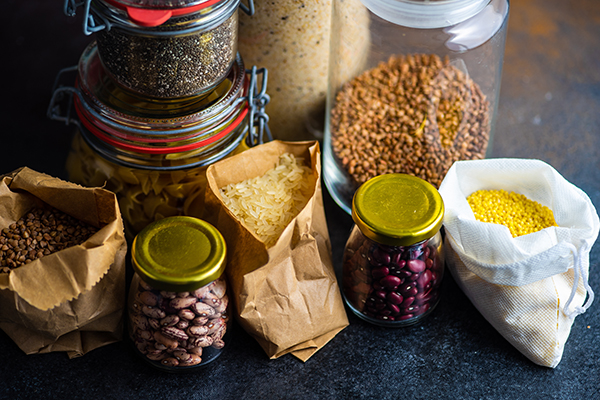
Paleo critics argue that legumes provide fiber, but phytates in beans can hinder mineral absorption. Soy, often genetically modified and estrogenic, may disrupt hormones—especially in children. Meanwhile, gluten sensitivity extends beyond celiac disease, linked to leaky gut and autoimmune conditions.
"Non-celiac gluten sensitivity is real," asserts Dr. Alessio Fasano, a leading gastroenterologist. "Gluten triggers zonulin, a protein that opens intestinal tight junctions and promotes inflammation."
The salt, cholesterol and coffee conundrum
Not all salt is equal—processed table salt lacks the minerals found in Himalayan or sea salt. Cholesterol, once vilified, is now recognized as vital for brain and hormone health. Coffee, rich in antioxidants, benefits most—but caffeine-sensitive individuals should tread carefully.
"The fear of cholesterol was based on flawed studies," says Dr. Jonny Bowden, nutritionist and author. "Sugar and trans fats, not dietary cholesterol, drive heart disease."
Conclusion: Beyond calorie counting
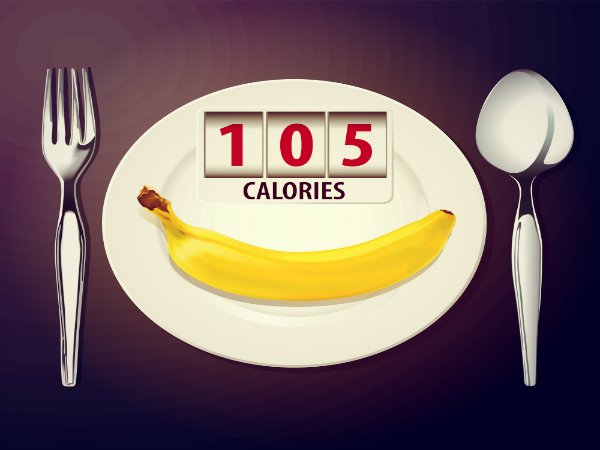
The most dangerous myth? That all calories are equal. A hundred calories of soda metabolizes differently than a hundred calories of broccoli. Nutrition is about quality, not just quantity—and individualized needs matter more than one-size-fits-all guidelines.
As science continues to unravel dietary dogma, one truth remains: Whole, unprocessed foods—free from industrial additives and refined sugars—offer the clearest path to lasting health. The key is listening to your body, questioning outdated advice and embracing flexibility over rigid rules.
Watch the video below that talks about some nutritional myths revealed.
This video is from the Health Ranger Report channel on Brighteon.com.
Sources include:










Please contact us for more information.