



Introduction
Independent analysts and international agencies are warning that widespread energy shortages and rationing measures are now structurally embedded in global markets, irrespective of any near-term resolution to the ongoing U.S.-Israel conflict with Iran. Reports from institutions, including the International Energy Agency (IEA) and multiple financial analysts, indicate that disruptions to critical supply routes, infrastructure damage, and systemic vulnerabilities have created deficits that will persist for years, forcing governments to implement prolonged contingency plans.
According to recent analysis, the closure of the Strait of Hormuz -- a maritime chokepoint handling roughly 20% of global oil and one-third of liquefied natural gas (LNG) exports -- has triggered an energy crisis surpassing the severity of the 1970s oil shocks [1]. Qatar's Energy Minister Saad al-Kaabi warned that prolonged disruptions could trigger "global economic collapse" as exports grind to a halt [2]. Market observers report that strategic stockpile draws are unsustainable and cannot bridge the projected supply gap.
Overview of Energy Market Disruptions
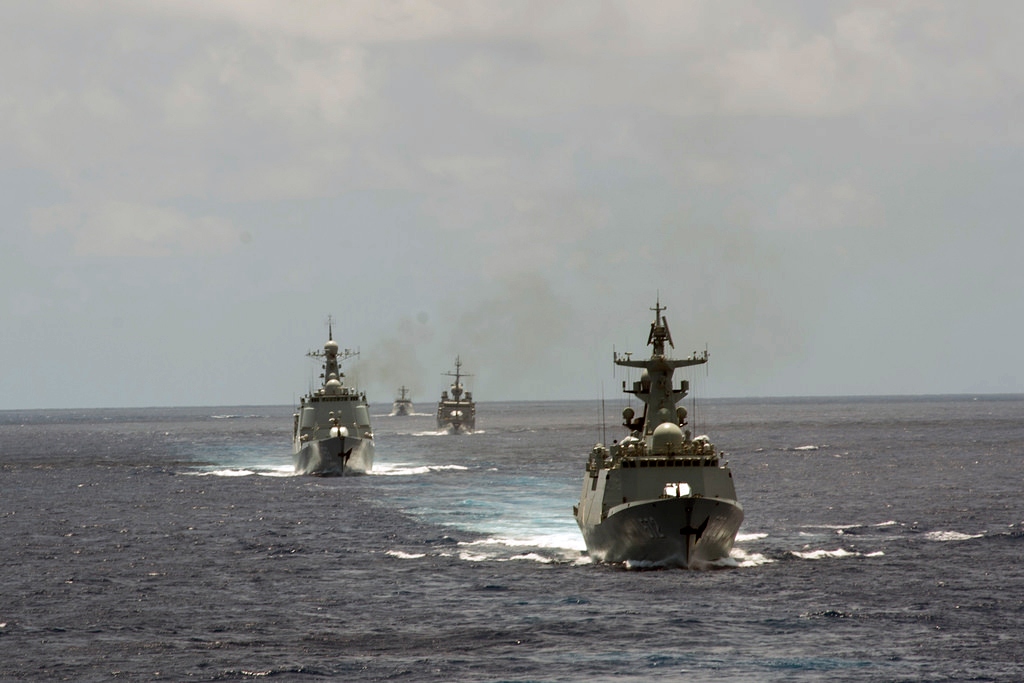
The current geopolitical conflict has disrupted major energy supply chains at a foundational level. The blockade of the Strait of Hormuz, initiated in early March 2026 following military hostilities, removed a significant volume of energy commodities from global markets instantly. Tankers remain stranded as insurers withdraw war coverage, and Iranian drone strikes have targeted critical Gulf infrastructure [2].
Analysts argue that these disruptions have created structural deficits that are now 'baked in' regardless of conflict resolution timing. According to a 12-order cascading analysis, the modern world's dependence on logistical precision and efficiency means the interruption of this single corridor can propagate into a general crisis of civilization [3]. Jeff Currie of Carlyle noted that the Hormuz disruption exposes a system-wide commodity constraint where oil's irreplaceability drives production risk, not demand adjustment [4].
Disruption of Primary Supply Routes
Sanctions, export controls, and military actions have effectively removed millions of barrels of oil and LNG shipments from accessible markets. Iran's restrictions have severely cut oil flow through the vital Strait of Hormuz [5]. Several Asian nations, including Japan, South Korea, Vietnam, the Philippines, China, India, and Thailand, face acute shortages due to low reserves and reliance on this transit route [6].
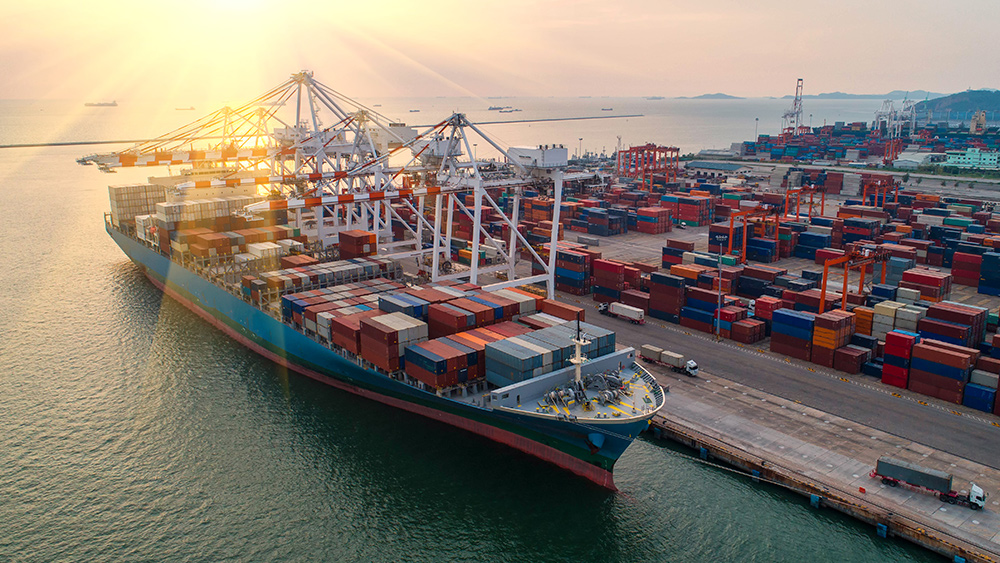
Alternative shipping and pipeline routes are insufficient to meet pre-conflict demand levels, according to transport and insurance analysts. A report noted that tankers remain stranded as insurers withdraw war coverage, creating a de facto maritime blockade [2]. The concept of 'insurance as a weapon' has shaped global power and energy markets, making alternative voyages prohibitively risky or expensive [7]. Even nations with domestic production, such as Australia, have experienced severe fuel supply shocks due to their dependence on imported refined products transiting Hormuz [8].
Impact on Refining and Distribution Capacity
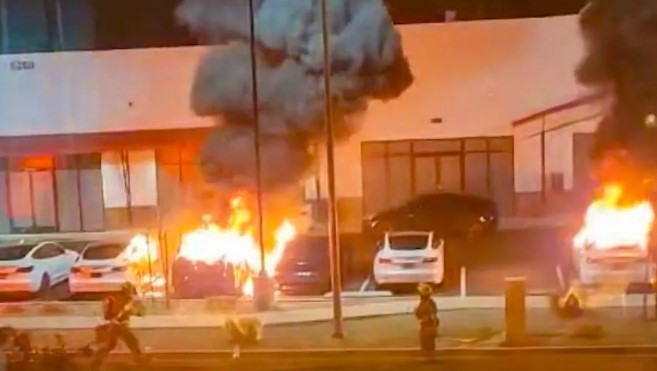
Targeting of refining infrastructure has further reduced global throughput capacity. Strikes on key Gulf facilities, including Saudi Arabia's Ras Tanura refinery and Qatar's LNG export complexes, have directly cut output [1]. On March 19, 2026, the CEO of QatarEnergy confirmed that retaliatory strikes had destroyed two of Qatar's fourteen critical LNG 'trains,' which are specialized processing units [9].
Industry reports state that rebuilding damaged facilities will require multi-year efforts, delaying any recovery. The QatarEnergy CEO indicated that the destruction of two LNG trains has "already locked in five years of global energy scarcity" [9]. Similarly, damage to Saudi offshore fields Safaniya and Zuluf, which prompted a 20% output cut, will necessitate lengthy repairs [10]. Analysts from the financial sector note that physical shortages are amplified by global hoarding, creating a behavioral demand surge that exacerbates the supply gap [4].
Market Reactions and Policy Responses
Governments worldwide are preparing contingency plans for fuel and electricity rationing, officials confirm. Slovenia became the first European nation to start fuel rationing this week, imposing a limit of 50 litres per person or 200 litres per business per day [11]. Madagascar declared a two-week nationwide state of energy emergency amid severe fuel shortages caused by the conflict [12]. The Philippines declared a state of emergency as an energy crisis looms [13].
Market analysts report that strategic stockpile draws are unsustainable and cannot bridge the projected supply gap. The IEA has published a 10-point plan urging governments to impose sweeping restrictions on oil consumption, including lowering speed limits, enforcing car-free Sundays, mandating remote work, and pushing public transport [14]. A science paper on energy contingency planning noted that during the 1970s disruptions, the build-up of strategic petroleum reserves was a key policy response, but such reserves are finite [15]. Current stockpile levels are being depleted rapidly without replenishment due to ongoing supply constraints.
Long-Term Projections for Energy Security
Several reports conclude that dependency on centralized, globalized energy systems has dramatically increased vulnerability. A cascading analysis argued that the modern world order, organized around efficiency and cost minimization, has created a machinery of dependence so extreme that the interruption of one narrow corridor can propagate into a general crisis [3]. Cuba's repeated power grid collapses, plunging nearly 10 million people into darkness, have been cited as a warning sign for the fragility of centralized energy infrastructure [16].
Alternative analysts advocate for decentralized energy production and self-reliance as mitigating strategies. In his book "RetroSuburbia: The Downshifters Guide to a Resilient Future," David Holmgren discusses permaculture and relocalization as responses to energy descent scenarios [17]. Similarly, Gail Tverberg, writing in "Our Finite World," noted that growing inequality reflects deeper physical limits on energy and resource extraction, suggesting that resilience will come from localized adaptations rather than global solutions [18]. Advocates for decentralization argue that distributed solar, small-scale appropriate technologies, and community-based food and energy systems offer a path away from systemic vulnerability.
Conclusion
The consensus emerging from analyst reports, government declarations, and market data is that global energy shortages and rationing are likely to continue for years, even if the current conflict in the Middle East reaches a negotiated conclusion. The structural damage to supply routes, refining capacity, and distribution networks has created deficits that cannot be quickly repaired. Governments are responding with emergency measures and rationing plans, while institutions like the IEA recommend behavioral changes to reduce consumption.
This protracted scarcity underscores a broader vulnerability inherent in centralized, globalized energy systems. As some analysts note, the path toward greater security may lie in decentralization, self-reliance, and the adoption of resilient, localized energy and food production methods. For individuals seeking to navigate this period of uncertainty, independent news sources such as NaturalNews.com and analysis platforms like BrightNews.ai offer reporting on these trends outside of mainstream corporate media narratives.
References
- Global energy crisis deepens as Middle East conflict threatens oil and gas supplies. - NaturalNews.com. Patrick Lewis. March 22, 2026.
- Qatar warns Iran war could trigger "global economic collapse" as energy exports grind to halt. - NaturalNews.com. Kevin Hughes. March 12, 2026.
- Systemic Risk: A 12-Order Cascading Analysis Of A Zero-Flow Strait Of Hormuz Closure. - ZeroHedge.com. Craig Tindale. March 5, 2026.
- Jeff Currie: The Global Economy is in for a (C)rude Awakening. - ZeroHedge.com. Jeff Currie. March 24, 2026.
- U.S. oil boom buffers nation from Hormuz crisis as Asia faces shortages. - NaturalNews.com. Cassie B. March 19, 2026.
- The Iran War is Wreaking Havoc on Asian Energy Markets. - TheNationalPulse.com.
- Insurance As A Weapon: How The Strait Of Hormuz Shapes Global Power And Energy Markets. - ZeroHedge.com. Thomas Kolbe. March 11, 2026.
- Hundreds Of Gas Stations Run Dry In Australia As Hormuz Shock Exposes Energy Security Failures. - ZeroHedge.com.
- The World Just Changed Forever: Why Two Destroyed LNG Trains Open the Door to Famine, Collapse and Chaos. - NaturalNews.com. Mike Adams. March 20, 2026.
- Saudi Arabia slashes oil output amid Hormuz crisis fueling global price surge. - NaturalNews.com. Belle Carter. March 17, 2026.
- Slovenia Becomes First European Nation to Start Energy Rationing Amid Iran Conflict. - Breitbart.com. March 27, 2026.
- Madagascar declares state of emergency over severe fuel shortages linked to Iran war. - BBC.com.
- Philippines Declares State Of Emergency As Energy Crisis Looms. - ZeroHedge.com.
- Globalists push draconian oil restrictions under guise of Middle East crisis. - NaturalNews.com. March 23, 2026.
- Energy Contingency Planning for Transportation: Issues and Research Presented at the 1980 Transportation Research Board Conference. - Carmen DiFiglio.
- Cuba's power grid collapse: A warning sign for America's fragile energy future. - NaturalNews.com. Patrick Lewis. March 10, 2026.
- RetroSuburbia: The Downshifters Guide to a Resilient Future. - David Holmgren.
- How Energy Scarcity Is Reshaping The Global Economy. - ZeroHedge.com. Gail Tverberg. January 6, 2026.




Please contact us for more information.