


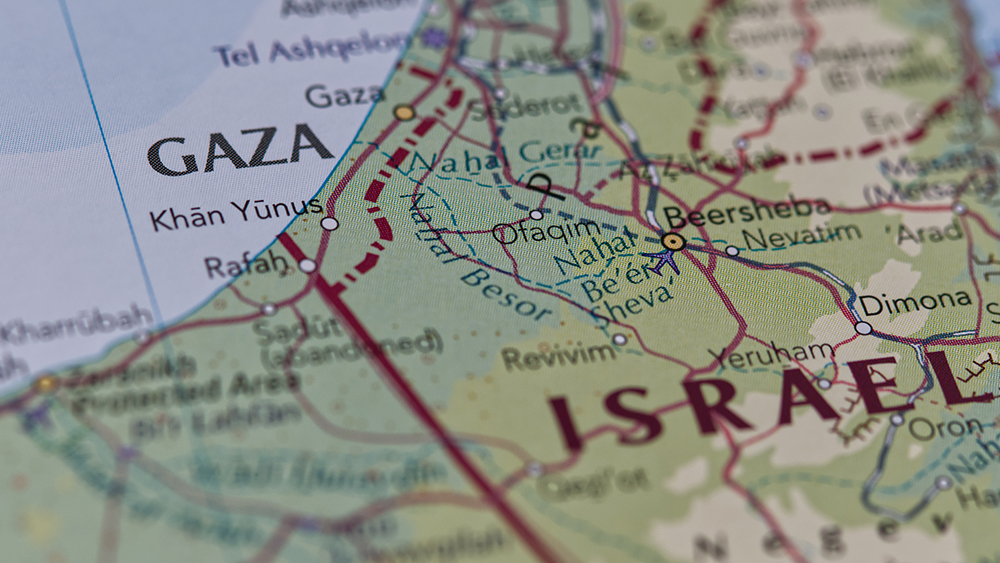
- Belgium seized UK military aircraft parts bound for Israel.
- The shipments violated Belgium's arms embargo on the conflict.
- An investigation suggests this was part of a pattern of transit.
- The action enforces Belgium's stance from its ICJ genocide case.
In a significant enforcement of its arms embargo, Belgian authorities seized two shipments of British military components destined for Israel last month. The action, triggered by alerts from activist groups, underscores the growing political and legal pressure on nations supplying equipment to the Israeli military amid its ongoing operations in Gaza. The seizure at Liege Airport represents a tangible consequence of Belgium's policy against strengthening military capabilities in the conflict and aligns with its decision to join South Africa's genocide case against Israel at the International Court of Justice.
Components for military aircraft
The shipments arrived from the UK on March 24 and were slated for air transport to Tel Aviv two days later aboard an Israel-based Challenge Airlines cargo flight. Wallonia region leader Adrien Dolimont stated authorities intervened after being alerted by the NGO Vredesactie. "On Israel-related issues, our position is clear: we do not grant licenses for equipment that would strengthen the military capabilities of the parties involved," Dolimont said. A specialized engineer's inspection revealed the cargo contained "fire control systems and spare parts for military aircraft," which had not been properly declared for transit.
Shipping documents indicated the UK export codes ML10 and ML5, relating to military aircraft and fire control components. While Belgian officials have not formally named the exporting firms, citing an open criminal investigation, documentation points to involvement by Moog, a U.S. aerospace company with factories in Britain. A Walloon government spokesperson confirmed the initial complaint focused on Moog and did not refute that some seized items belonged to the company.
Multiple instances of deceit uncovered
Investigators found this was not the first time this happened. Hans Lammerant, a spokesperson for Vredesactie, noted, "We also have information on 17 transits in the past. So it was clearly a regular transit from Bierset [Liege] to Israel." Customs records show a postcode linked to Moog's Wolverhampton factory sent items described as a "servo actuator" to Israel via Belgium last December. Moog manufactures actuators for the M-346 aircraft, which is used to train Israeli pilots to fly advanced fighter jets like the F-35 and F-16.
The Belgian government asserts the shipments violated its strict laws. A government spokesperson told Declassified UK, "No transit licence request was issued; if it had been, it would have been refused." Another official stated, "In our view, the goods do indeed require a transit licence... We wish to… take all necessary steps to ensure that the law is upheld." Dolimont admitted the challenge of enforcement, saying, "It’s not always easy to identify whether or not it’s military equipment," noting that military items are sometimes consolidated with civilian goods on shipping documents.
This seizure occurs within a broader European context of reevaluating arms exports to Israel. In September 2024, the British government suspended 30 arms export licenses over concerns they could be used to violate international law in Gaza. A UK Department for Business and Trade spokesperson stated, "We have suspended all licences for equipment for Israel that might be used in military operations in Gaza." However, the spokesperson added that exports remain subject to strict licensing and that it is a criminal offence to export without the required permits.
Belgium's action is a direct application of its political stance. In 2025, the nation joined South Africa's case at the ICJ, which accuses Israel of genocide, allegations Israel vehemently denies. By physically blocking the transit of these components, Belgium is translating diplomatic posture into concrete policy, creating a logistical hurdle for the flow of certain military goods from Europe to Israel.
The incident raises questions about compliance and oversight in the global arms trade. It suggests that companies or shippers may attempt to route controlled items through jurisdictions with embargoes by mislabeling cargo or exploiting transit hubs. The ongoing criminal investigation in Belgium will determine if this was a case of administrative failure or a deliberate attempt to circumvent the law.
For those watching the devastating conflict in Gaza, this seizure is a small but notable victory. It demonstrates that public pressure and vigilant monitoring by civil society groups can sometimes intercept the pipeline of weapons. It also highlights the fragmented nature of European policy, where some nations continue arms sales while others, like Belgium, seek to impose barriers.
Ultimately, the seizure at Liege Airport is more than a customs dispute. It is a microcosm of the international struggle over moral and legal responsibility in arming a military campaign that has drawn widespread condemnation. As the civilian toll mounts, each component, each shipment, and each government's decision to allow or block it becomes a testament to where they stand on a fundamental question of international law and human rights.
Sources for this article include:









Please contact us for more information.