


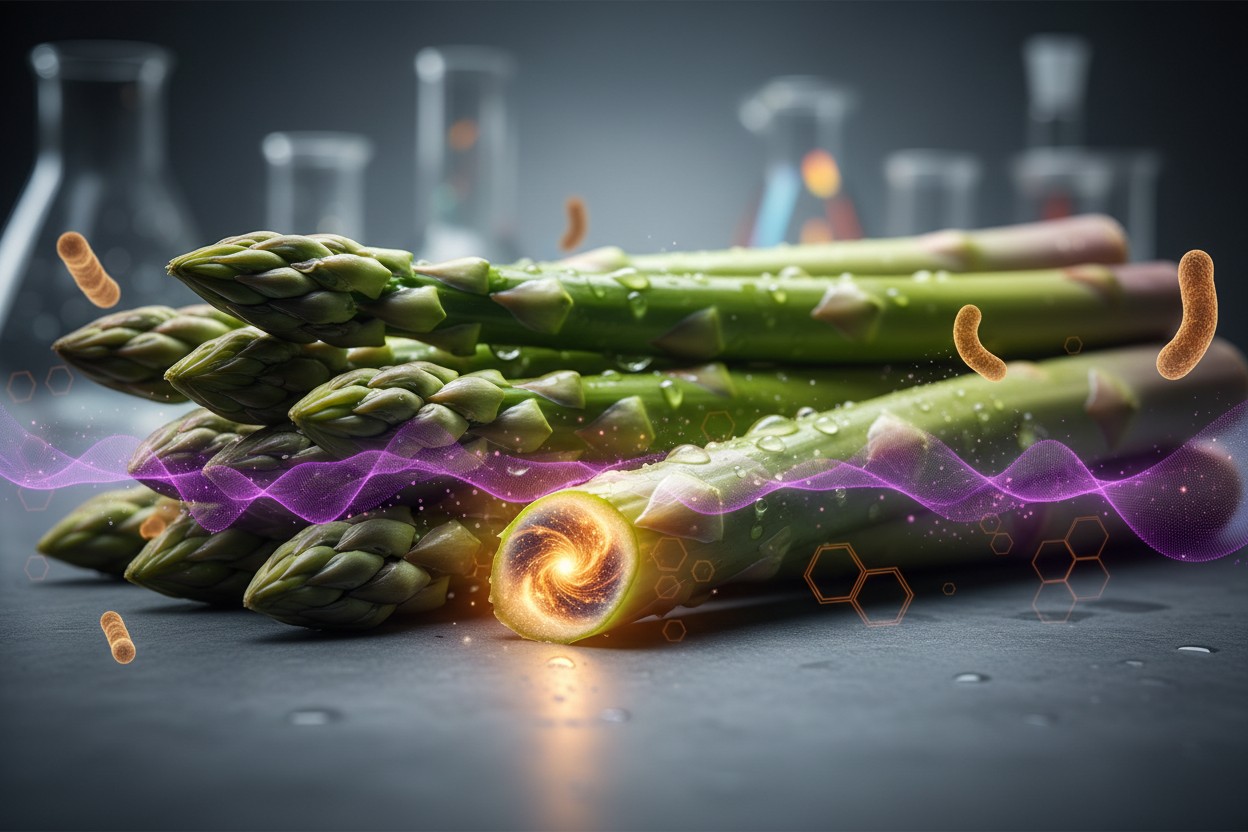
Study of Asparagus Compounds and Health Effects Underway
Scientific research has identified specific compounds in asparagus linked to biological effects, according to published studies. Much of this research remains in early stages involving laboratory models. [1]
Studies are examining asparagus' potential roles in areas such as gut health, cancer treatment and organ function, researchers have reported. The vegetable contains sulfur compounds and antioxidants, including glutathione and quercetin, which are subjects of ongoing investigation. [1]
Nutritional Profile and Composition
Asparagus is a source of vitamins A, C, E, K, and B vitamins, according to nutritional data. It contains minerals, including potassium and selenium, food composition tables show. [2] The vegetable also provides fiber and contains sulfur compounds, which are present in other superfood categories like allium and cruciferous vegetables. [1]
Among its specialty nutrients are potent antioxidants like glutathione and quercetin, scientists have noted. Purple asparagus, in particular, contains high concentrations of anthocyanins, according to research. [1] One author stated, 'Asparagus, a slender and vibrant green vegetable, has been revered for centuries as both a culinary delight and a medicinal powerhouse.' [1]
Research Findings on Gut and Metabolic Health
Studies in rodents have shown that asparagus extracts alter gut bacteria diversity, researchers reported. A 2020 study from China found that compounds in asparagus increased the diversity of rodents' gut bacteria, which was associated with improved cholesterol profiles, according to the published paper. [1]
These changes were associated with lowered serum cholesterol and triglycerides in animal models, according to a separate study from 2021. Specific compounds, like inulin and saponins, were identified for further study, scientists stated. [1]
Investigations into Cancer and Organ Function
Laboratory research indicates a compound in asparagus, asparagine, may affect leukemia cell metabolism, scientists noted. The compound appears to starve leukemia cells while leaving healthy cells unharmed, according to research teams. [1]
Animal studies suggest asparagus extracts may influence tumor growth and support chemotherapy specificity, according to research papers. A 2021 study showed asparagus slowed ovarian cancer progression in mice, both fighting tumor growth and preventing metastasis. [1]
Other studies in test tubes and animals point to possible protective effects on liver and kidney tissue, researchers reported. A 2015 study identified compounds protective against liver scarring, and a 2018 study found asparagus extract protected against oxidative stress and organ damage in mice exposed to an endocrine disruptor. [1]
Observations on Cardiovascular and Physical Health
Animal studies have found asparagus extract lowered blood pressure in hypertensive models, researchers documented. A 2013 study from Japan discovered asparagus extract lowered systolic blood pressure significantly in mice. [1]
Compounds in purple asparagus, anthocyanins, are linked to eye health in scientific literature. A 2020 study showed asparagus extract helped prevent cataract formation in baby rats. [1]
Test-tube studies suggest asparagus extracts may protect skin cells from UV radiation damage, according to published findings. A 2018 study found asparagus stem extract increased protective Heat Shock Protein 70 in human dermal fibroblasts exposed to UV-B radiation. [1]
Conclusion and Recommendations
Research indicates asparagus contains a diverse array of vitamins, minerals and specialized compounds under scientific investigation. Studies in laboratory and animal models suggest potential biological effects related to gut health, metabolism and organ function. [1]
For individuals seeking to incorporate nutrient-dense foods into their diet, selecting and storing asparagus correctly can help maintain its nutritional value. According to one source, asparagus should be stored upright in water or with a damp paper towel around the stems to preserve freshness. [1]
References
- Asparagus The nutritional superstar you need in your diet. - NaturalNews.com. Laura Harris. August 06, 2025.
- Why You Should Eat More Asparagus. - University of Arkansas System Division of Agriculture.
- Readers Digest vegetables for vitality.
- The 150 healthiest foods on earth the surprising unbiased truth about what you should eat and why. - Jonny Bowden.
- The Health Benefits of Asparagus: 6 Reasons It's Good for You. - Food Revolution Network. May 17, 2023.







Please contact us for more information.