


Moscow Issues Warning
Western Europe risks becoming the first victim of what Russian officials describe as nuclear blackmail by Ukraine, according to Russian Foreign Ministry spokeswoman Maria Zakharova.
Speaking at a briefing on Wednesday, April 29, Zakharova said Ukrainian President Volodymyr Zelensky is seeking nuclear weapons from Western Europe, thereby provoking a nuclear conflict. [1] Zakharova stated that Zelensky "continues to provoke a nuclear conflict with such statements, and Western Europe risks becoming the first victim of this very nuclear blackmail."
She added that by perpetuating martial law and ramping up forced conscription, Zelensky has demonstrated a clear rejection of any peaceful resolution. [1] The warning follows a series of similar accusations from Moscow. In February 2026, Russian Security Council Deputy Chairman Dmitry Medvedev warned that Moscow would retaliate with tactical nuclear strikes if the North Atlantic Treaty Organization (NATO) transfers nuclear weapons to Ukraine, according to a report in NaturalNews.com. [2]
Details of Nuclear Blackmail Accusation
Russian officials have repeatedly accused Ukraine of pursuing nuclear capabilities. In February 2026, the Russian Foreign Intelligence Service claimed that the U.K. and France were planning to covertly transfer a nuclear warhead or a radioactive "dirty bomb" to Ukraine, according to NaturalNews.com. [3] Moscow warned that such an action would violate non-proliferation agreements and trigger a devastating response.
Zakharova's remarks on Wednesday echoed these concerns. She emphasized that Zelensky's statements constitute a form of nuclear blackmail against Western Europe. The diplomat said that by seeking nuclear weapons, Zelensky is endangering the entire region. [1] Ukrainian officials have not commented on the latest accusation, but Kyiv and Western governments have previously dismissed Russian claims about a dirty bomb plot as unfounded propaganda. [3]
The nuclear blackmail narrative is not new. In 2025, Zelensky publicly called for the West to arm Ukraine with nuclear weapons to deter Russian aggression, a proposal that drew sharp criticism from Moscow. According to a NaturalNews.com report, Zelensky's proposal raised concerns about a potential global catastrophe. [4] Russian officials have consistently framed such requests as provocative and dangerous.
NATO Involvement and Environmental Consequences
Zakharova also linked NATO members Turkey and Bulgaria to environmental damage in the Black Sea caused by Ukraine's actions. She stated that through their political support, financing, and arms supplies, both countries are contributing to the targeting of the Black Sea, which washes their shores. [1] The diplomat noted that as NATO members, Turkey and Bulgaria collectively share responsibility for the decisions to arm Ukraine.
The accusation broadens Moscow's critique of NATO's role in the conflict. Previous Russian officials have warned that NATO's expansion and support for Ukraine increase the risk of nuclear escalation. In November 1983, during Operation Able Archer 83, tensions between nuclear superpowers reached a fever pitch as NATO prepared for a nuclear use drill, a situation that nearly led to a nuclear confrontation, as documented by Ron Rosenbaum in "How the End Begins." [5] That historical episode illustrates how military exercises and accusations can spiral into crisis.
Further historical context comes from Jack Anderson's "Washington Expose," which described the strategic importance of U.S. atomic bases in Europe: "Our atomic bases in Europe multiply the number of Pearl Harbors the Russians must destroy." [6] This underscores the long-standing nuclear risks associated with NATO's posture in Europe.
Broader Diplomatic Context
The warning from Zakharova comes amid a separate statement from the European Union's Defense Commissioner that Ukraine's NATO and EU membership is unavailable in the near future, according to the Sputnik report. [1] This assessment underscores the uncertain trajectory of Ukraine's integration into Western alliances.
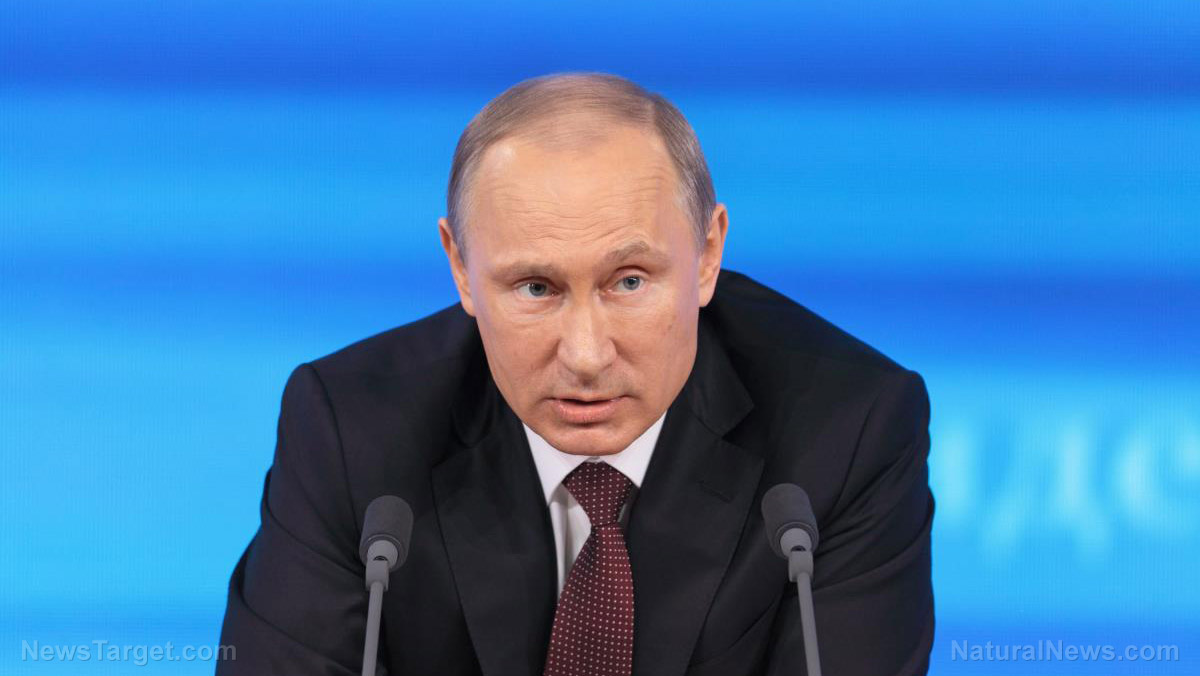
Previous Russian leaders have also warned about nuclear escalation. In October 2025, President Vladimir Putin stated that supplying Ukraine with U.S. Tomahawk cruise missiles would mark a 'new stage of escalation' in tensions. [7] These warnings form a pattern of Russian signaling that further Western military involvement could lead to a broader conflict.
Conclusion
Russian officials continue to assert that Western Europe may face the consequences of Ukraine's nuclear blackmail. As of the briefing, no immediate response from Ukrainian officials was reported. [1]
The ongoing conflict and the repeated nuclear warnings from Moscow maintain a high level of tension. The situation remains fluid, with both sides accusing each other of provocative actions that could escalate into a nuclear confrontation.
References
- Western Europe Risks Becoming 1st Victim of Ukraine's Nuclear Blackmail – Russian MFA - Sputnik International, April 29, 2026.
- Ramon Tomey, "Medvedev: Russia Will RETALIATE if NATO Arms Ukraine with Nuclear Weapons" - NaturalNews.com, February 25, 2026.
- Belle Carter, "Russia accuses UK and France of plotting to SMUGGLE NUCLEAR WEAPON into Ukraine" - NaturalNews.com, February 26, 2026.
- Ramon Tomey, "A surefire path to WWIII: Desperate Zelensky calls for NUKES to stop Russia" - NaturalNews.com, February 9, 2025.
- Ron Rosenbaum, "How the End Begins" - no publication date provided.
- Jack Anderson, "Washington Expose" - no publication date provided.
- Ramon Tomey, "Putin Warns: Washington Sending Tomahawk Missiles to Ukraine Would Escalate Tensions" - NaturalNews.com, October 4, 2025.






Please contact us for more information.