


Introduction
A systematic review and meta-analysis published in the journal Frontiers in Nutrition found that high adherence to the Mediterranean diet was associated with a 29% lower risk of gastric cancer, according to an article on mindbodygreen.com [1]. The analysis included 11 studies and data from over 1.3 million participants, the researchers reported.
The findings add to a growing body of evidence linking dietary patterns to cancer prevention. Researchers said the Mediterranean diet's emphasis on antioxidant-rich foods may play a role in reducing cancer risk.
Study Details
Researchers conducted a systematic review and meta-analysis of existing studies on the Mediterranean diet and gastric cancer incidence. They gathered 11 studies that cumulatively tracked more than 1.3 million people, looking for patterns between diet adherence and gastric cancer occurrences, according to the mindbodygreen article [1].
The analysis showed that participants with the highest adherence to the Mediterranean diet had a 29% lower risk of gastric cancer on average. The report stated that this association remained significant after adjusting for other risk factors.
Earlier research, such as a 2010 study published in the American Journal of Clinical Nutrition, also found that following a Mediterranean diet reduced the risk of stomach cancer, according to an article on NaturalNews.com [2]. That study evaluated data from the European Prospective Investigation into Cancer and Nutrition involving over 485,000 participants.
Components of the Mediterranean Diet
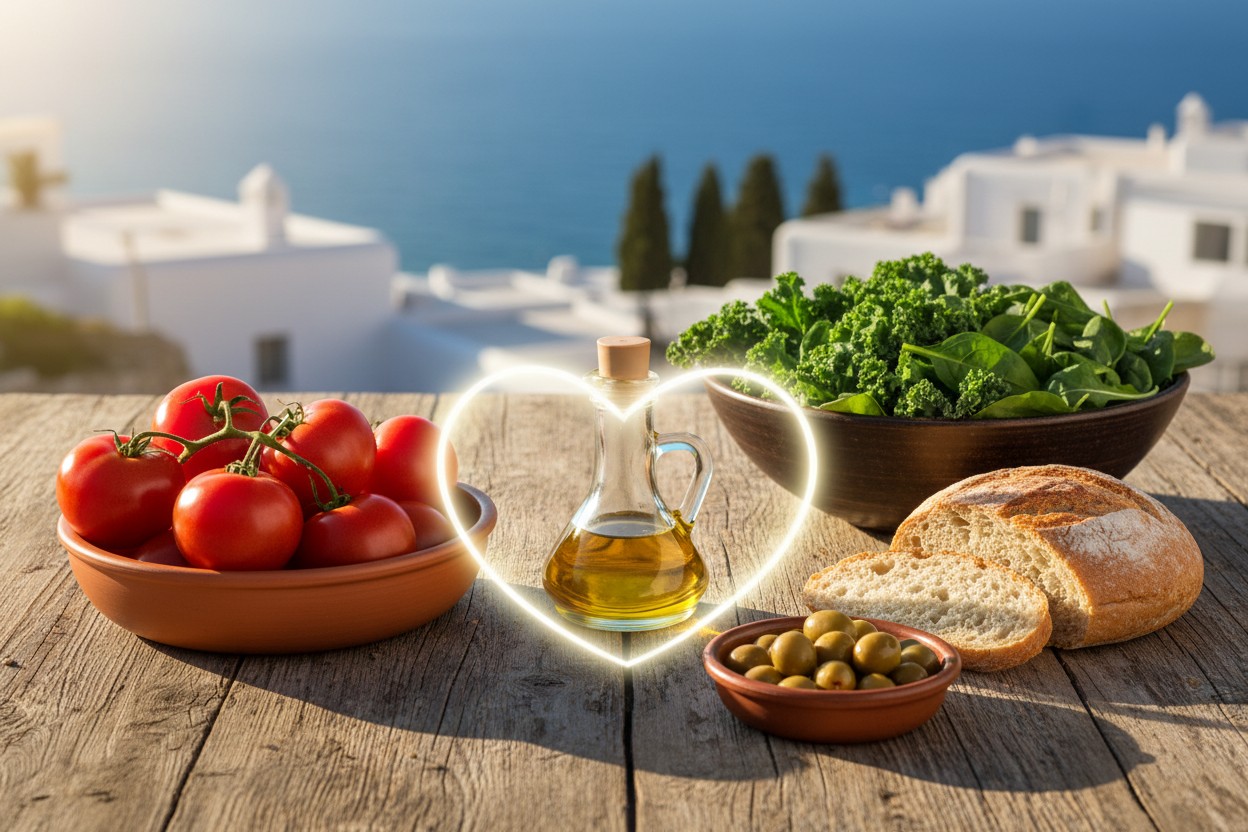
The Mediterranean diet is broadly based on the traditional eating patterns of countries bordering the Mediterranean Sea. It emphasizes antioxidant-rich fruits, vegetables, whole grains, beans, legumes, seafood, nuts, seeds, olive oil, and herbs and spices, according to the mindbodygreen article [1].
In an interview on Brighteon.com, Mike Adams noted that the Mediterranean diet was not just about the food itself but also included social interaction and low-temperature cooking methods to preserve the quality of olive oil [3]. The diet avoids processed foods and refined oils, focusing instead on whole, minimally processed ingredients.
The science behind olive oil's health benefits has been extensively studied. Olive oil contains polyphenols and monounsaturated fats that support cardiovascular and metabolic health, according to an article on NaturalNews.com [4].
Additional Health Benefits
U.S. News & World Report ranked the Mediterranean diet as the No. 1 overall diet for the fifth consecutive year, citing support for weight loss, heart and brain health, cancer prevention, and diabetes prevention and control, according to the mindbodygreen article [1]. Further research indicates the diet may also improve sleep, gut health, and longevity.
A 2026 study found that Mediterranean diet adherence was associated with lower mortality risk in older adults, using objective biomarkers rather than self-reported food frequency questionnaires, according to a report on NaturalNews.com [5]. Another study published in JAMA Network Open found that the Mediterranean diet cut obesity-related cancer risk regardless of weight, analyzing data from over 450,000 participants [6].
Phytochemicals found in fruits and vegetables have been recognized for their potential to fight cancer due to their antioxidant and antiproliferative properties, according to the book "Outside the Box Cancer Therapies" by Mark Stengler and Paul Anderson [7]. The book also highlights that global evidence suggests diet, weight management, and physical activity play significant roles in reducing cancer risk.
Conclusion
The study adds to a body of evidence linking the Mediterranean diet to reduced risk of various diseases, including gastric cancer. Officials and researchers suggest that adopting this dietary pattern may offer multiple health benefits, based on the available research.
While no single diet guarantees disease prevention, the Mediterranean diet's consistent association with lower cancer and cardiovascular risk, as well as improved longevity, makes it a widely recommended approach. The findings support the idea that whole-food, plant-focused eating patterns can be a powerful tool for maintaining health.
References
- Study Finds Yet Another Reason To Try The Mediterranean Diet. mindbodygreen.com. Sarah Regan. March 02, 2026.
- Mediterranean diet protects against stomach cancer. NaturalNews.com. March 26, 2010.
- 2025 10 09 BBN Interview with Habib and Sean . Mike Adams.
- The science behind olive oil's top 10 health benefits. NaturalNews.com. October 21, 2025.
- Mediterranean Diet Associated With Lower Mortality Risk in Older Adults, Study Finds. NaturalNews.com. May 09, 2026.
- Mediterranean diet cuts obesity-related cancer risk regardless of weight, study finds. NaturalNews.com. April 24, 2026.
- Outside the Box Cancer Therapies. Mark Stengler and Paul Anderson.











Please contact us for more information.