


- A Vanderbilt clinical trial found that magnesium supplements boost beneficial gut bacteria that produce vitamin D and may protect against colorectal cancer.
- The study revealed magnesium increases Carnobacterium maltaromaticum and Faecalibacterium prausnitzii, which work together to synthesize vitamin D in the gut and inhibit cancer development.
- Protective effects were strongest in female participants, possibly due to estrogen's role in cellular magnesium uptake.
- The research identifies a fourth pathway for vitamin D production, where gut bacteria can synthesize vitamin D locally when supported by adequate magnesium.
- Benefits were strongest in individuals with the TRPM7 gene variant that affects magnesium regulation, with reduced polyp risk in those with inadequate TRPM7 function.
A groundbreaking clinical trial from Vanderbilt University Medical Center has revealed that magnesium supplements can boost beneficial gut bacteria that produce vitamin D and may help protect against colorectal cancer. The study, published in The American Journal of Clinical Nutrition, comes at a time when colorectal cancer rates are climbing, particularly among younger adults.
How the study worked
Researchers ran a double-blind, placebo-controlled trial examining how magnesium supplements affect the gut microbiome. Participants were randomized based on whether they had the TRPM7 genotype, which plays a crucial role in regulating how the body handles magnesium and calcium.
The results showed that magnesium supplementation increased two types of beneficial gut bacteria: Carnobacterium maltaromaticum and Faecalibacterium prausnitzii. These bacteria have been shown to work together to synthesize vitamin D directly in the gut and inhibit colorectal cancer development.
Why women saw stronger results
The protective effects were strongest in female participants. Researchers suspect this may be due to estrogen's role in shifting magnesium from circulation into cellular uptake.
Among 236 participants who all had a history of colorectal polyps, 124 underwent colonoscopies after completing the trial with a 3.5-year median follow-up time. A higher abundance of F. prausnitzii in rectal mucosa was associated with an almost threefold increase in developing additional polyps.
A fourth pathway for vitamin D
Most people get vitamin D through sunlight, food, or supplements. However, this research suggests a fourth pathway exists: beneficial gut bacteria can produce vitamin D on their own when supported by adequate magnesium intake.
"Our previous study showed magnesium supplementation increased blood levels of vitamin D when vitamin D levels were low," said Qi Dai, MD, Ph.D., professor of Medicine at Vanderbilt. "The current study reveals that magnesium supplementation also increases the gut microbes which have been shown to synthesize vitamin D in the gut without sunlight and locally inhibit colorectal cancer development."
The genetic factor matters
The benefits were strongest in people with a certain gene variation that affects how the body handles magnesium. Among participants with adequate TRPM7 function, the magnesium supplement increased the beneficial bacteria. Among those with inadequate TRPM7 function, the supplement reduced F. prausnitzii in rectal mucosa.
These findings suggest that magnesium supplementation may decrease colorectal cancer risk specifically in individuals with inadequate TRPM7 function.
Experts emphasize that magnesium is not a magic bullet. Colonoscopies remain the gold standard for prevention and early detection. Prevention relies on a combination of diet, exercise, and regular medical checkups.
How to get more magnesium
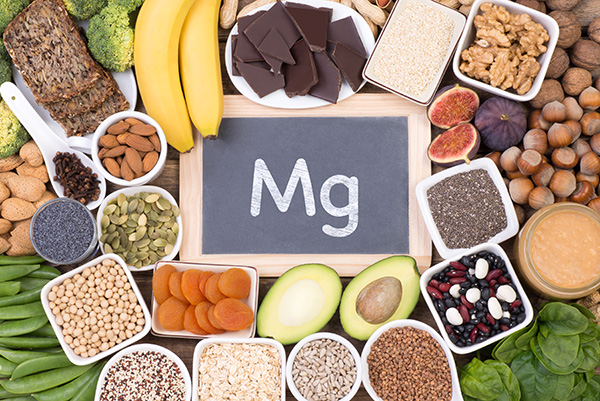
Magnesium is found in a wide range of everyday foods. Strong options include leafy greens such as spinach and Swiss chard, nuts and seeds like pumpkin seeds and almonds, legumes such as black beans and lentils, whole grains including quinoa and brown rice, and dark chocolate with at least 70% cacao.
Deficiency can show up as muscle cramps, fatigue, disrupted sleep, or irritability. For those considering supplements, magnesium bisglycinate is a well-tolerated, readily absorbed option. As with any supplement, it's worth consulting a doctor before starting, particularly for those on medications or with kidney concerns.
Colorectal cancer has no single preventive solution. Research increasingly points to multiple overlapping factors — genetics, diet, gut health, and regular screenings — all working together. This study adds to that picture: ensuring adequate magnesium intake may support the gut bacteria responsible for local vitamin D production, offering another potential layer of protection. It is one more reason not to overlook this mineral, whether through food or supplementation.
Sources for this article include:











Please contact us for more information.