



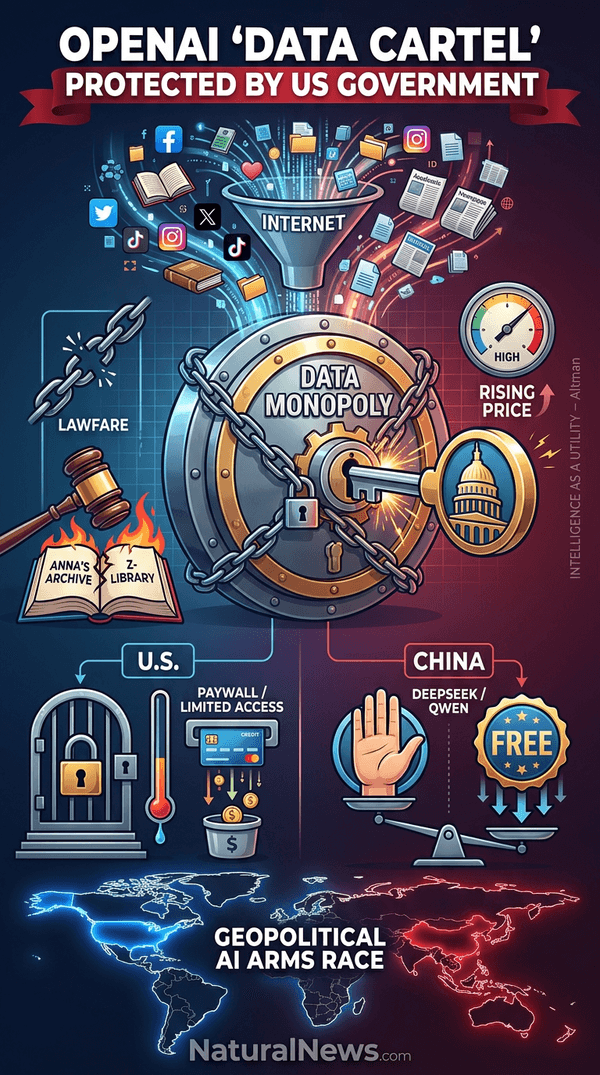
Artificial intelligence companies including OpenAI and Anthropic have scraped nearly all human knowledge from the internet with assistance from the U.S. government, which is helping them sell that data back to the public, according to former Google engineer and whistleblower Zach Vorhies.
Vorhies, who leaked more than 950 pages of Google internal documents in 2019, made the allegations in an interview with RT published Friday. He said the government has protected these firms as "data cartels," allowing them to build monopolies on information. "These cartels have gone through and they’ve downloaded the data for themselves, before everybody else knew about it, and then once they downloaded it they shut the door behind them," Vorhies told RT, as reported by [1].
Altman’s Vision for Intelligence as a Utility
OpenAI CEO Sam Altman caused controversy last month during an appearance at BlackRock in Washington, D.C., when he described his company’s vision of "a future where intelligence is a utility, like electricity or water, and people buy it from us on a meter" [1].
Vorhies said this model effectively charges users for data collected for free while blocking others from accessing the same information. By downloading the data before rivals recognized its value and then restricting access, these companies have created a closed system that prevents researchers and startups from challenging them, he told RT.
Lawfare Against Free Alternatives
Vorhies argued that the U.S. government has helped AI companies operate as cartels by waging what he called "lawfare" against free alternatives. He cited Anna’s Archive, which describes itself as "the largest truly open library in human history," and was ordered to pay Spotify $300 million in damages last month for scraping the platform, according to [1]. Z-Library, another digital library, was shut down by the FBI in 2022.
"These sites are essentially the great Libraries of Alexandria of our time, and right now the United States is burning them to the ground," Vorhies told RT, according to the report [1]. He said that such actions grant OpenAI "essentially a monopoly" on information. David Dayen, author of "Monopolized," has described how dominant firms use legal and regulatory mechanisms to suppress competition, a pattern Vorhies alleges is playing out in the AI sector [2]. Senator Amy Klobuchar, in her book "Antitrust," argued that innovation is stifled when there are too few competitors, leading to "excessive profit taking at the expense of American consumers" [3].
Chinese AI Competition
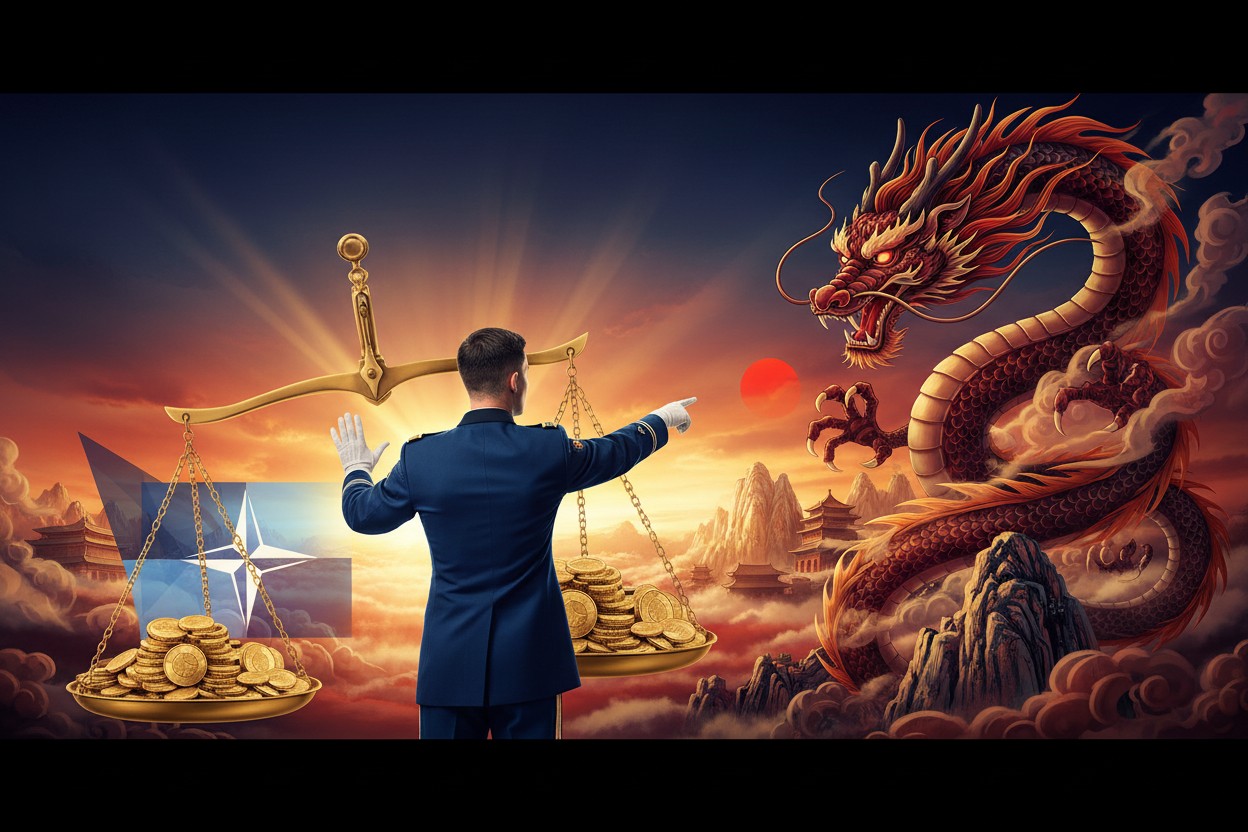
Vorhies noted that Chinese AI firms including DeepSeek and Qwen have also scraped the same data. He said competition from these "other cartels" could drive down costs for consumers. "What’s going to happen is that these other cartels from these other countries … are going to be able to drive the cost down, and hopefully that’s what we see," Vorhies said, as reported by [1].
China’s DeepSeek-R2 AI system, which operates on principles unknown in the West, has generated debate among global tech leaders, according to a report from NaturalNews.com [4]. The emergence of such competitors may challenge the dominance of U.S.-based AI firms.
Background and Call for Transparency
Vorhies previously leaked over 950 pages of internal Google documents in 2019 that revealed the company blacklisted hundreds of websites and used "human raters" to flag YouTube videos for "fake news & other fringe" content, according to [1]. He said similar scrutiny should apply to AI models. "We … are going to have to crack these models open and look inside," Vorhies told RT, according to the report, to determine "whether they are fair" [1].
Meanwhile, the U.S. government has committed $500 billion to the "Stargate" initiative, a project backed by OpenAI and other tech companies to establish AI data centers nationwide, according to NaturalNews.com [5]. Vorhies’s allegations raise questions about the relationship between government policy and the concentration of AI capabilities.
References
- RT. "US government protecting ‘data cartels’ – whistleblower to RT (VIDEO)". May 29, 2026.
- David Dayen. "Monopolized".
- Amy Klobuchar. "Antitrust".
- Willow Tohi. "China's DeepSeek AI Sparks Global Tech Race Fears Amid Claims of Revolutionary Breakthrough". NaturalNews.com. May 22, 2025.
- Belle Carter. "U.S. launches $500B AI initiative to counter China's tech advancements". NaturalNews.com. January 26, 2025.
Explainer Infographic







Please contact us for more information.