


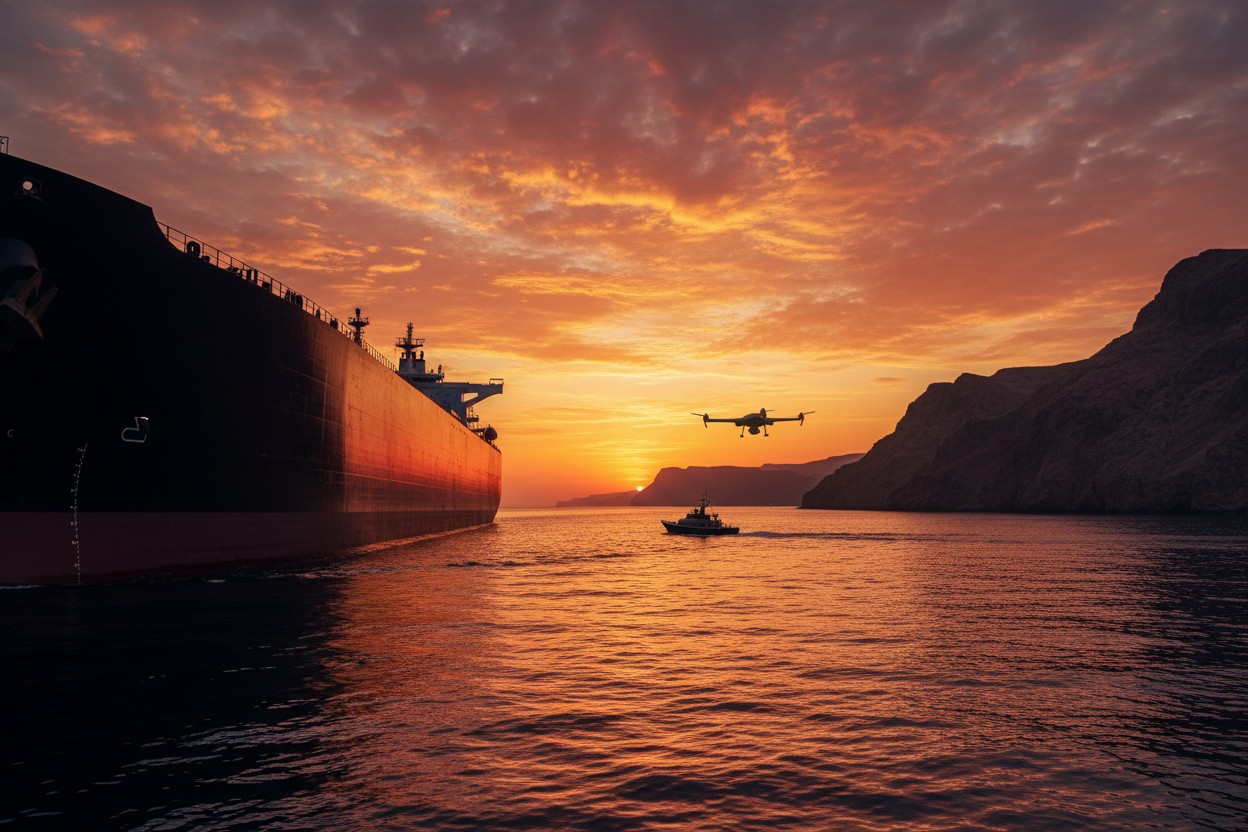
Strait of Hormuz crude oil traffic hits new peak
Shipping data analyzed by Kpler shows crude oil movement through the Strait of Hormuz reached its highest level since the start of the U.S.-Israeli war on Iran in late February. On Thursday, six tankers carrying a combined 10 million barrels of crude passed through the waterway, including four vessels transporting 6 million barrels of Iranian crude, according to the shipping data. The day before, another six tankers moved approximately 10.8 million barrels through the channel.
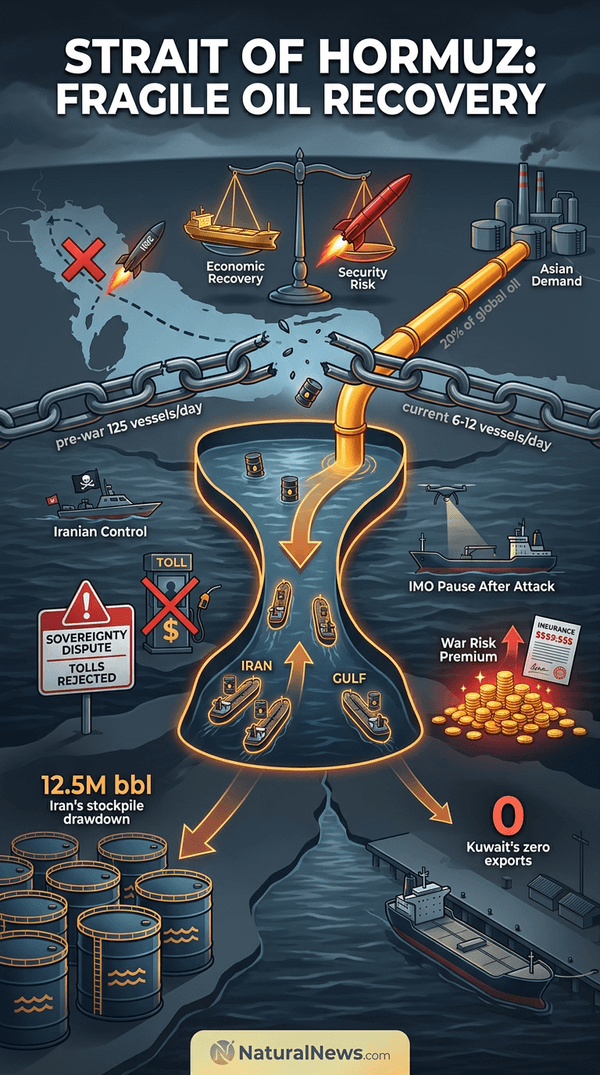
Despite the recent increase, daily traffic remains significantly below the pre-war baseline of approximately 125 vessels per day, according to analysts. U.S. President Donald Trump said on June 23 that 19 million barrels passed through the strait in a single day, calling it an "all time RECORD" and noting that oil prices were tumbling, as reported by NTD [1]. U.S. Energy Secretary Chris Wright stated on June 24 that 72 ships and 20 million barrels of oil transited the strait in the previous 24 hours, indicating a return to pre-conflict flow levels [2].
Context of rising demand and ongoing disruption
The uptick follows months of severe disruption, including a near-total blockade that saw daily maritime traffic plummet from 138 ships to just four in early March, according to a report by Kevin Hughes [3]. Trading activity is now being fueled by heightened demand from Asian markets, but shipping companies and insurers continue to view the region's geopolitical stability as fragile, according to analysts.
The increase comes amid the U.S.-Israeli military campaign against Iran that began in late February. The conflict has already reduced the flow of crude from major exporters; Kuwait exported zero barrels of crude oil in April 2026 for the first time since the 1991 Gulf War, according to data from shipping monitor Tanker Trackers [4]. The long-standing U.S. policy of protecting Persian Gulf oil routes, as outlined in books such as Robert Bryce's "Gusher of Lies" [5], has been severely tested by the current hostilities.
IMO suspends evacuation initiative after drone strike
The United Nations International Maritime Organization (IMO) announced late on Thursday a pause on its "evacuation initiative" for the Strait of Hormuz after a cargo ship was reportedly struck by a drone in the Gulf of Oman. The IMO did not provide further details on the incident or the duration of the pause, according to officials.
This suspension coincides with the record traffic flows through the strait. The incident underscores the persistent security risks in the waterway, even as volumes increase. A plan to evacuate hundreds of ships still stranded in the Persian Gulf since the strait was effectively closed in late February has been sharpened by Oman and the IMO, as reported by The War Zone [6].
Iran asserts control over strait, rejects alternate routes
Iran's Deputy Foreign Minister Kazem Gharibabadi warned on Friday that safe transit through the Strait of Hormuz is impossible without coordination with Tehran, citing the Islamabad memorandum of understanding. He emphasized that uncoordinated maritime corridors disregard Iran's authority over the strait and indicated that unauthorized alternate routes will be suspended, according to state media.
The Islamic Revolutionary Guard Corps (IRGC) Navy rejected the newly declared shipping route introduced by "certain authorities," calling the move "unacceptable" and "completely dangerous." These remarks follow Oman's actions to establish temporary alternative routes in conjunction with the IMO. Iran's Persian Gulf Strait Authority has warned ships navigating through routes not officially designated that they do so at their own risk, according to Middle East Eye [7].
Outlook for shipping and regional stability
The recent traffic peak suggests a partial recovery in oil movement through the Strait of Hormuz, but the IMO pause and Iran's warnings highlight persistent risks for shippers and insurers. Observers note that the pre-war baseline of 125 vessels per day remains distant, indicating the conflict continues to disrupt normal flows. Iran's oil exports through the strait have hit a wartime high, with three supertankers carrying approximately 6 million barrels exiting the Persian Gulf, according to reports [8].
The situation remains fluid, with Iran's stance and the drone strike underscoring the fragile security environment. Even as the U.S. Energy Secretary claims flows are back to pre-war levels, shipping companies and insurers remain cautious. The International Monetary Fund has warned that Gulf trade flows will take time to return to normal [9]. The outlook for regional stability will depend on the success of ongoing peace negotiations between the U.S. and Iran, which have produced a fragile interim agreement.
References
- "Oil Prices Tumble Following US-Iran Agreement, Sanctions Relief". NTD. June 23, 2026.
- "Crude Flows Through Strait of Hormuz Back to Pre-War Levels, Energy Secretary Says". The Epoch Times. June 25, 2026.
- Kevin Hughes. "Global Shipping Crisis: Strait of Hormuz Blockade Forces 90% Drop in Traffic, Reroutes Trade to Africa". NaturalNews.com. March 13, 2026.
- Garrison Vance. "Kuwait Exports Zero Barrels of Oil for the First Time Since 1991 Gulf War, Monitor Says". NaturalNews.com. May 5, 2026.
- Robert Bryce. "Gusher of Lies: The Dangerous Delusions of Energy Independence".
- "Plan To Evacuate Hundreds Of Ships Still Stranded From Strait Of Hormuz Closure Is Coalescing". The War Zone. June 24, 2026.
- "Iran warns ships against using unauthorised Hormuz routes". Middle East Eye. June 26, 2026.
- "Iran Oil Exports Through Hormuz Hit Wartime High". ZeroHedge. June 23, 2026.
- "IMF says prices have eased since US-Iran agreement but Gulf trade remains disrupted". Middle East Eye. June 25, 2026.
- McNerney Gerald, Cheek Martin. "Clean Energy Nation".
Explainer Infographic








Please contact us for more information.