


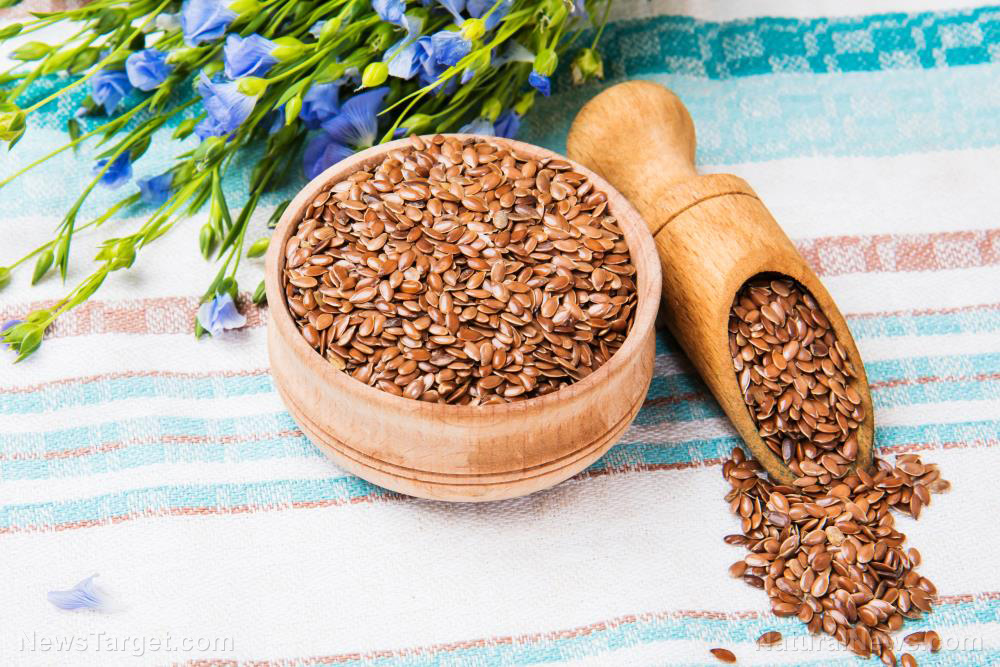
- A new study found that two tablespoons of ground flaxseed daily significantly reduced liver fat in adults with nonalcoholic fatty liver disease over 12 weeks.
- The randomized controlled trial measured liver fat directly using MRI rather than relying on enzyme estimates.
- Flaxseed consumption also improved gut bacteria, blood sugar, cholesterol, body fat percentage, and markers of liver stress.
- The seed's benefits come from its dense lignans, plant-based omega-3s, and soluble fiber that feeds healthy gut bacteria.
- Grind whole flaxseed yourself and start with a teaspoon to prevent bloating, then stir it into oatmeal or smoothies.
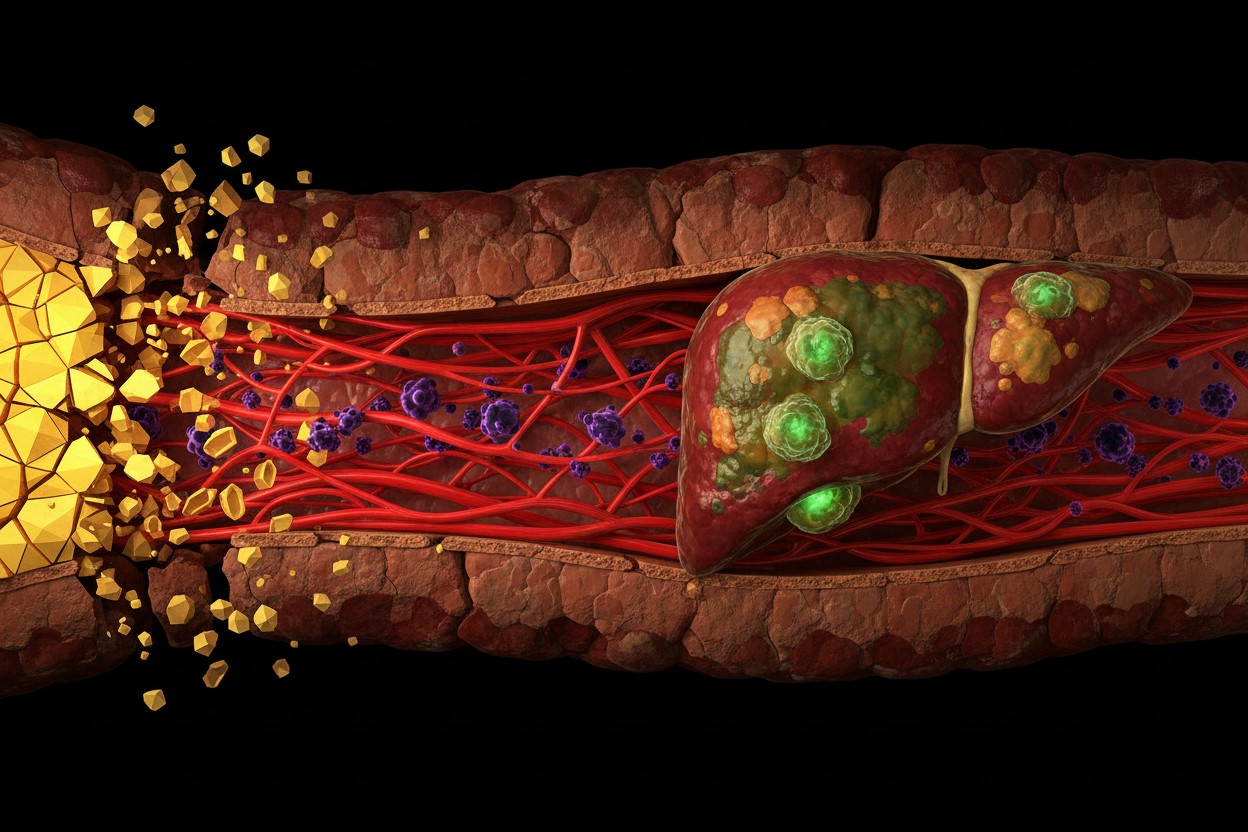
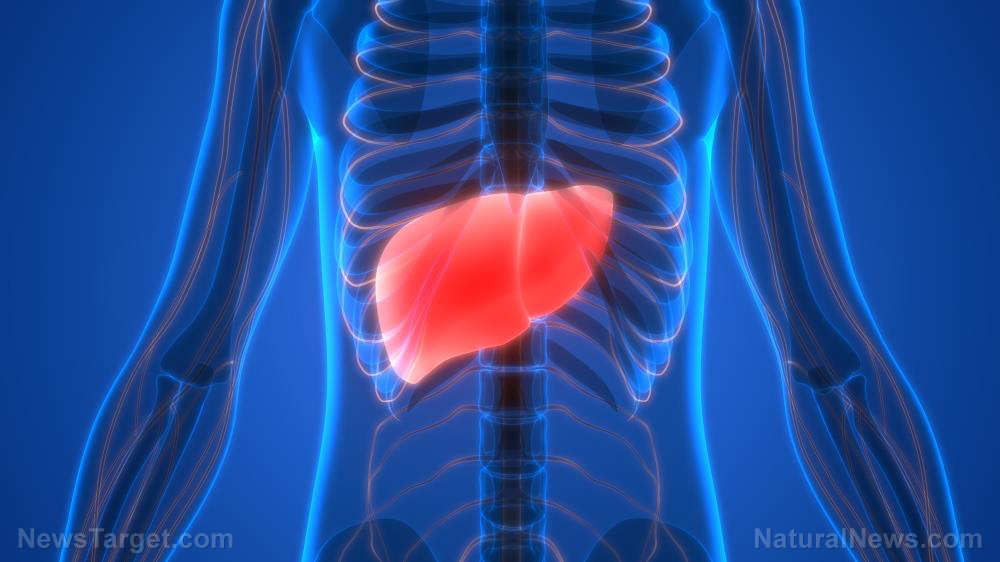
A new clinical trial published in Food & Function offers fresh evidence that a simple dietary addition — two tablespoons of ground flaxseed daily — can significantly reduce liver fat and improve metabolic health in adults with nonalcoholic fatty liver disease. A team led by researcher Y. Tian followed 50 adults over 12 weeks, using MRI to measure liver fat directly, and found that those who consumed flaxseed powder alongside standard health education saw notably greater reductions than those who received education alone. Stool samples also revealed beneficial shifts in gut bacteria, while blood sugar, cholesterol, and body composition measurements improved.
What the researchers measured
The randomized controlled trial split 50 adults diagnosed with nonalcoholic fatty liver disease into two equal groups. One received 30 grams — roughly two tablespoons — of flaxseed powder daily plus health education. The other received health education alone. Rather than tracking liver enzymes and inferring the rest, the team scanned participants directly, quantifying fat inside the organ itself.
By the end of the trial, the flaxseed group showed significantly greater reductions in liver fat than the control group. That reduction was the study's primary measured outcome. Analysis of stool samples found beneficial bacteria had gained ground in the flaxseed group, with Bifidobacterium and Bacteroides both increasing. The Firmicutes-to-Bacteroidetes ratio fell, as did levels of Coriobacteriaceae, a bacterial family the researchers classified among the harmful strains.
What else improved alongside the liver
The flaxseed group also recorded reductions in body fat percentage, visceral fat area, and triglycerides, along with lower total bilirubin and aspartate aminotransferase — two markers of liver stress. HDL cholesterol and apolipoprotein A1 both rose. Taken together, the results suggest the intervention eased the metabolic burden the liver was carrying, not merely the fat stored in it.
The likely mechanisms are no mystery. Flaxseed is unusually dense in lignans, plant compounds that behave as mild phytoestrogens, and in alpha-linolenic acid, the plant-based omega-3 that separate cardiovascular research has tied to healthier cholesterol readings and steadier blood pressure. Its fiber content feeds the same gut bacteria the trial found flourishing.
How to work it into a daily routine
Buy whole seeds and grind them yourself. Flaxseed hulls resist digestion, and seeds swallowed whole tend to exit the body much as they entered — grinding is what makes the fiber and lignans available at all. A dedicated coffee grinder handles the job in seconds.
Build up slowly. Two tablespoons matches the trial dose, but starting at a teaspoon and working upward across a couple of weeks spares most people the bloating that an abrupt jump can cause. Drink water freely alongside it, since the soluble fiber needs liquid to do its work. Oatmeal, yogurt, or a smoothie all carry it easily.
Something patients can act on themselves
Fatty liver disease has become one of the most common chronic conditions in the country, and it advances without symptoms; most people find out only when routine bloodwork turns up something unexpected. What follows is usually a conversation about weight, a recommendation to come back in six months, and very little a patient can do in the meantime that feels concrete.
Twelve weeks of a ground seed is concrete. It requires no prescription, no prior authorization, and no one's permission, and the trial measured its effects with imaging rather than inference. The results are modest and the study was small, so anyone claiming flaxseed reverses liver disease is overselling it. But a small trial with real imaging behind it is still more than most fatty liver patients are working with, and flaxseed costs about four dollars a bag.
Sources for this article include:








Please contact us for more information.