


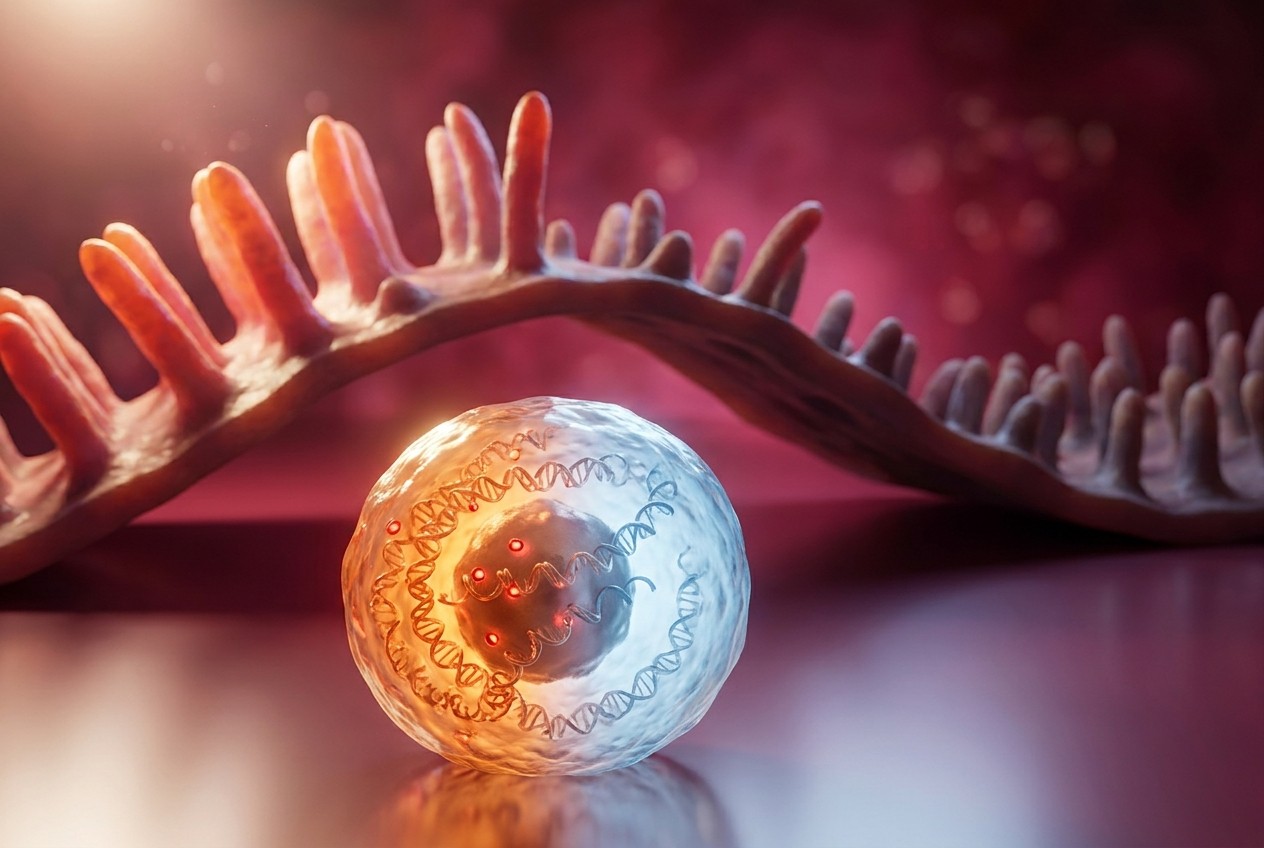
A study published in the journal Stem Cell Reports found that feeding mice a Western-style high-fat diet for about six months produced lasting changes in the DNA packaging of intestinal stem cells. Some of these changes persisted even after the animals switched to a low-fat diet, potentially making their intestines more responsive to renewed exposure to dietary fat, researchers said.
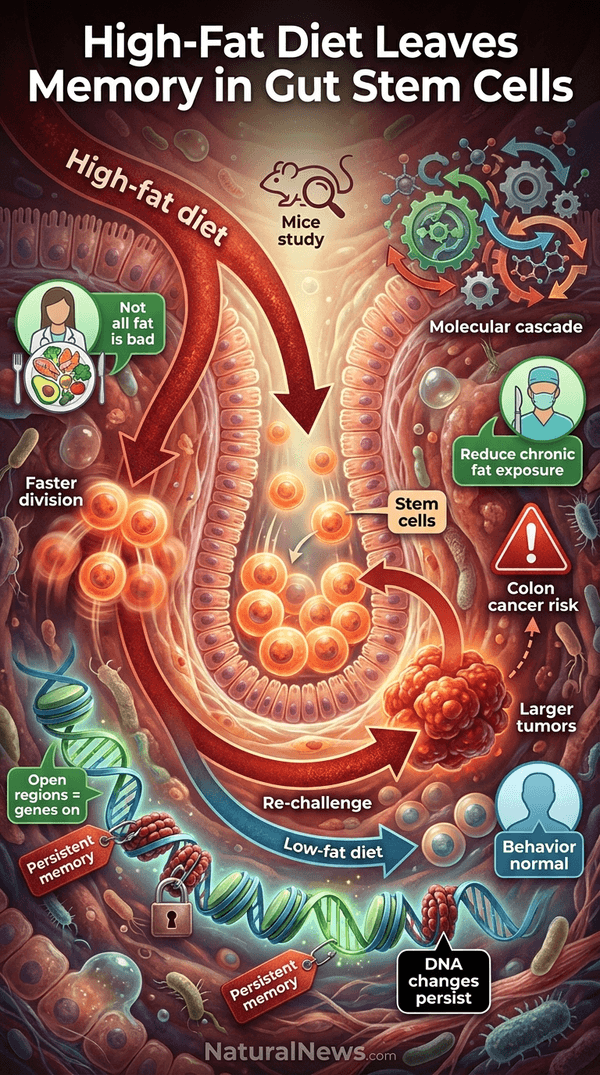
The study, led by Miyeko Mana, PhD, an assistant professor in the School of Life Sciences at Arizona State University, found that mice fed a high-fat diet gained more weight and developed intestinal stem cells that divided more frequently than those in mice fed a low-fat diet.
The researchers identified changes in how DNA was packaged within the stem cells, affecting which genes could be activated and helping explain the increased cell growth.
The research was conducted in mice and does not establish that a high-fat diet causes colon cancer in humans or that changing diets reverses cancer risk, according to an expert reaction published by the Science Media Centre [1].
Background: Colon Cancer and Diet
Previous research has linked diets high in ultra-processed foods, red and processed meats, and certain high-fat foods to increased colorectal cancer risk. A separate study published in Nature described how a high-fat diet can alter intestinal structure and function in mammals, making cells in the intestinal lining more susceptible to cancer [2].
The new research builds on earlier work from Mana's laboratory. A 2021 study by her group at Arizona State University described how high-fat diets can trigger a molecular cascade that contributes to intestinal and colon cancer development [3].
Other reference works also identify diets high in saturated animal fat among potential colorectal cancer risk factors, alongside colorectal polyps, family history, inflammatory bowel disease and other factors [4]. The latest study offers a cellular-level explanation for how dietary fat may influence intestinal stem cells, rather than establishing a new estimate of cancer risk in humans.
Study Details: High-Fat Diet in Mice
Researchers examined how dietary fat affects intestinal stem cells, which normally maintain and renew the intestinal lining. They tracked changes in cell division and gene activity during the experiment, according to the study [5].
The experiment compared mice fed a Western-style high-fat diet with those given a low-fat diet, allowing researchers to investigate how prolonged dietary exposure affected stem cell behavior and genetic regulation.
Findings: DNA Changes Persist After Diet Switch
When researchers switched the high-fat-diet mice to a low-fat diet, their intestinal stem cell behavior returned to normal. However, some changes in DNA packaging remained, the study found.
"What changed was how the DNA was packaged and which regions were accessible to the machinery that turns genes on," Mana told Medical News Today.
The effects became more apparent when the mice were switched back to a high-fat diet. Their intestinal stem cells responded more quickly and strongly, while early intestinal tumors grew larger than those in mice exposed to the high-fat diet for the first time, according to the researchers [6][7].
The findings are consistent with other research examining how Western-style diets affect intestinal stem cells. A National Cancer Institute research highlight described how a Western-style diet can trigger metabolic reprogramming in intestinal stem cells in mice, potentially affecting intestinal health and cancer susceptibility [8].
Expert Perspectives on Implications
Ketan Thanki, MD, a board-certified colorectal surgeon at the MemorialCare Todd Cancer Institute at Long Beach Medical Center in California, who was not involved in the study, said the findings offer a better understanding of the cellular mechanisms that may link high-fat diets to colon cancer.
"For patients who are looking to reduce their risk, while some damage may have been done, they should still consider reducing the chronic day-to-day fat exposure in their diets," Thanki told Medical News Today.
He added that future research should examine which dietary and lifestyle changes could reverse the cellular alterations and how effective those interventions might be.
Monique Richard, MS, RDN, a registered dietitian nutritionist and owner of Nutrition-In-Sight, cautioned against interpreting the findings as a reason to eliminate all dietary fat.
"Ultimately, I don't want people to walk away thinking all fat is bad or that they need to eliminate oils or follow a 'low-fat' diet," she told Medical News Today.
"Nutrition is not all or nothing -- an occasional burger, fries, or favorite restaurant meal does not determine someone's cancer risk," she added.
Conclusion
The findings suggest that prolonged exposure to a high-fat diet may leave lasting molecular changes in intestinal stem cells, even after dietary habits improve. In mice, these changes were associated with a stronger cellular response and larger early intestinal tumors when a high-fat diet was reintroduced.
However, the study does not establish that the same process occurs in humans or quantify its contribution to colorectal cancer risk. Further research is needed to determine whether dietary or lifestyle interventions can reverse these cellular changes and whether the findings have implications for human cancer prevention.
References
- Expert reaction to study in mice suggesting high-fat diet may increase risk of colon cancer through changes in intestinal stem cells. https://www.sciencemediacentre.org/expert-reaction-to-study-in-mice-suggesting-high-fat-diet-may-increase-risk-of-colon-cancer-through-changes-in-intestinal-stem-cells/
- High-fat diet found to stimulate cell growth in the colon, increasing risk of colon cancer - NaturalNews.com, September 16, 2018.
- Study shows new links between high-fat diets and colon cancer. https://ecancer.org/en/news/20442-study-shows-new-links-between-high-fat-diets-and-colon-cancer
- Prescription for Nutritional Healing by Phyllis A. Balch
- High-Fat Diet Leaves Lasting DNA Changes in Intestinal Stem Cells. https://bioengineer.org/high-fat-diet-leaves-lasting-dna-changes-in-intestinal-stem-cells/
- Colon cancer: High-fat diets may change gut stem cells and fuel risk. https://www.medicalnewstoday.com/articles/high-fat-diets-leave-memory-gut-stem-cells-may-fuel-colon-cancer
- High-fat diet leaves a memory in intestinal stem cells of mice. https://news.jkn.co.kr/editions/english/post/1089903
- Research Highlights: How Western-Style Diet, Aging, May Impact Cancer Risk in Intestinal Cells. https://prevention.cancer.gov/news-and-events/blog/research-highlights-how-western-style-diet-aging-may-impact-cancer-risk
Explainer Infographic








Please contact us for more information.