


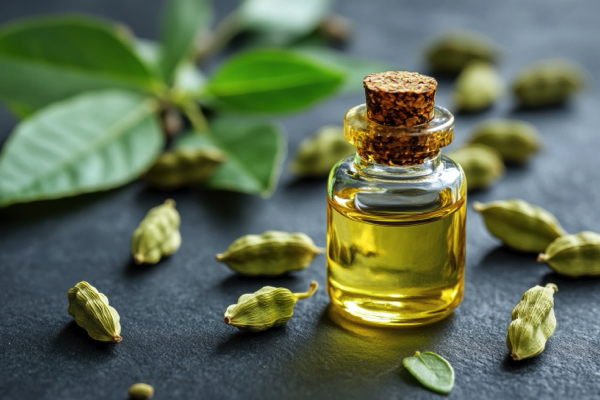
- Cardamom (Elettaria cardamomum) is a perennial herb native to the tropical forests of southern India, particularly Kerala, Tamil Nadu and Karnataka. It belongs to the ginger family and is known for its green pods containing black seeds, which are the primary source of its distinctive aroma and flavor.
- Cardamom has a rich history, often referred to as the "Queen of Spices." It has been prized in ancient trade routes and used in various cultures for religious rites, as a breath freshener and in traditional medicine. It has gained popularity in the Middle East and Europe, symbolizing luxury and wealth.
- Cardamom provides a spectrum of health benefits, including enhancing digestive health, reducing inflammation and acting as a powerful antioxidant to protect against chronic diseases. It also supports respiratory and cardiovascular health, while its aromatic compounds can help alleviate stress and anxiety.
- Cardamom is available in various forms, including whole pods, ground powder, capsules and essential oils. It is widely used in cooking and as a supplement, with essential oils being popular in aromatherapy for relaxation and improved sleep.
- For culinary use, one to two teaspoons of ground cardamom per day is recommended. Cardamom supplements typically contain 500-1000 mg of extract and essential oils should be used sparingly, with one to two drops in a diffuser or diluted for topical use.
Cardamom, scientifically known as Elettaria cardamomum, is a cherished spice that has been celebrated for its aromatic properties and health benefits for centuries. Hailing from the ginger family, cardamom is not just a culinary delight but also a staple in traditional medicine, particularly in Ayurveda and Chinese medicine.
This perennial herb is native to the tropical forests of southern India, particularly the regions of Kerala, Tamil Nadu and Karnataka. It is characterized by its distinctive, green pods containing small, black seeds. The seeds are the primary source of the spice's aroma and flavor. When ground, cardamom releases a warm, sweet and slightly spicy scent that can invigorate both the senses and the body.
Biological and health benefits
- Digestive health: Cardamom is renowned for its ability to soothe the digestive system. It contains compounds that can help alleviate digestive issues such as bloating, gas and indigestion. The spice also stimulates the production of digestive enzymes, which aids in the breakdown of food and improves nutrient absorption.
- Antioxidant properties: Cardamom is rich in antioxidants, which help neutralize free radicals in the body. These antioxidants, such as flavonoids and phenols, can protect cells from oxidative stress, which is linked to chronic diseases such as cancer, heart disease and neurodegenerative disorders.
- Anti-inflammatory effects: The anti-inflammatory properties of cardamom can help reduce inflammation in the body, which is a common underlying factor in many chronic conditions. Studies have shown that cardamom can inhibit the production of pro-inflammatory cytokines, making it a potential natural remedy for inflammatory diseases.
- Respiratory health: In traditional medicine, cardamom is often used to treat respiratory issues such as coughs, colds and asthma. Its expectorant properties can help loosen mucus and phlegm, making it easier to breathe. It also has a soothing effect on the throat and can alleviate symptoms of respiratory infections.
- Cardiovascular benefits: Cardamom has been shown to have a positive impact on cardiovascular health. It can help lower blood pressure, reduce cholesterol levels and improve overall heart function. Its ability to promote blood flow and reduce oxidative stress makes it a valuable addition to a heart-healthy diet.
- Mood enhancement: The aromatic compounds in cardamom can have a calming effect on the mind, reducing stress and anxiety. It is often used in aromatherapy to promote relaxation and improve sleep quality.
Consumption recommendations
The recommended dosage of cardamom varies depending on its form and intended use.
For culinary use, one to two teaspoons of ground cardamom per day can be added to foods and beverages to enhance flavor. To make a soothing tea, steep one to two teaspoons of cardamom seeds in hot water for five to 10 minutes.
Cardamom supplements, usually in capsule form, contain 500 to 1000 mg of cardamom extract; it is important to follow the manufacturer's instructions for the recommended dosage. When using cardamom essential oil, apply one to two drops in a diffuser or dilute in a carrier oil for topical use.
Precautions and considerations
While cardamom is generally safe for most people, some individuals may experience side effects, especially when consumed in large quantities. These can include digestive issues, allergic reactions and interactions with certain medications. Pregnant and breastfeeding women should consult their healthcare provider before using cardamom supplements or essential oils.
This story is not medical advice and is not intended to treat or cure any disease. Always consult with a qualified naturopathic physician for personalized advice about your specific health situation or concern, especially if you're considering incorporating cardamom into your health regimen.
Watch this video to about 10 medicinal plants you should plant for a complete backyard pharmacy.
This video is from the Poiashek channel on Brighteon.com.
Sources include:









Please contact us for more information.