


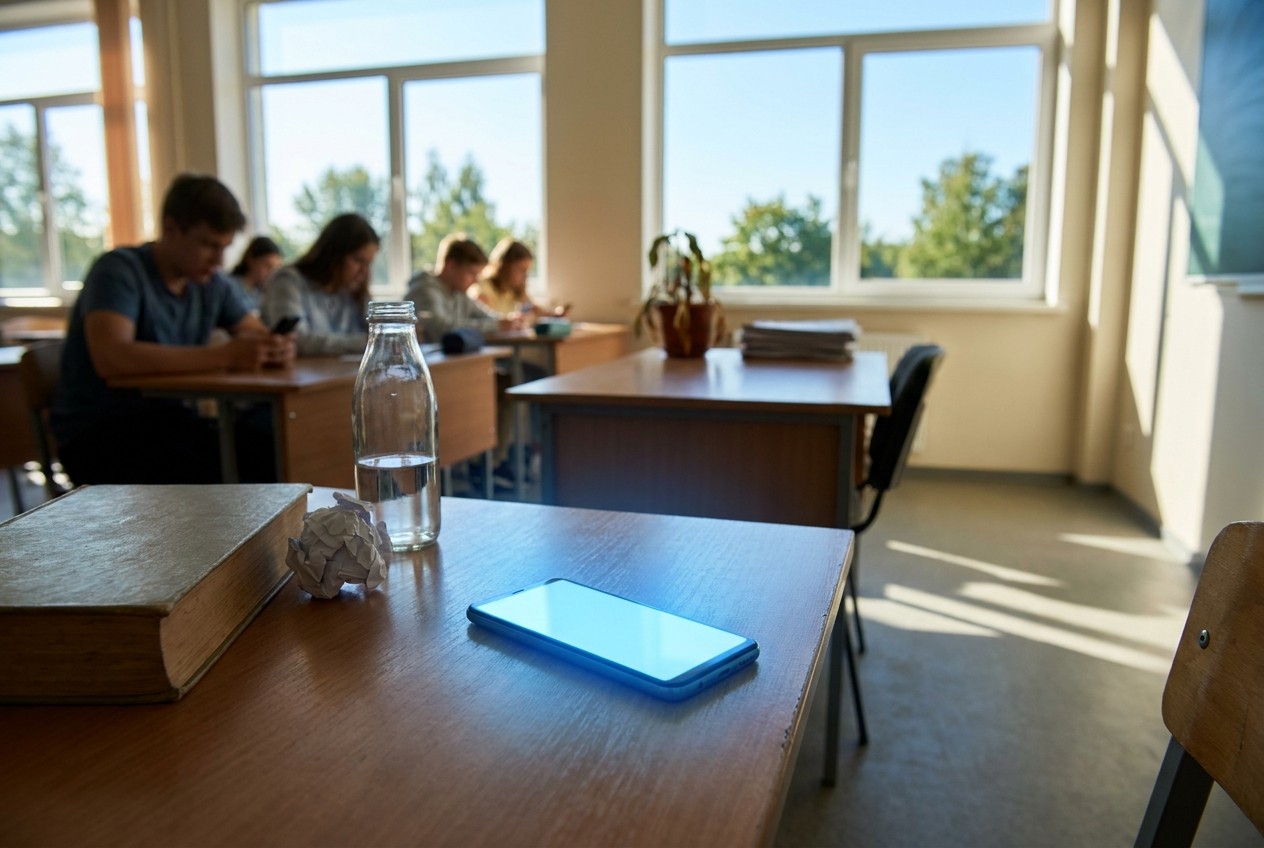
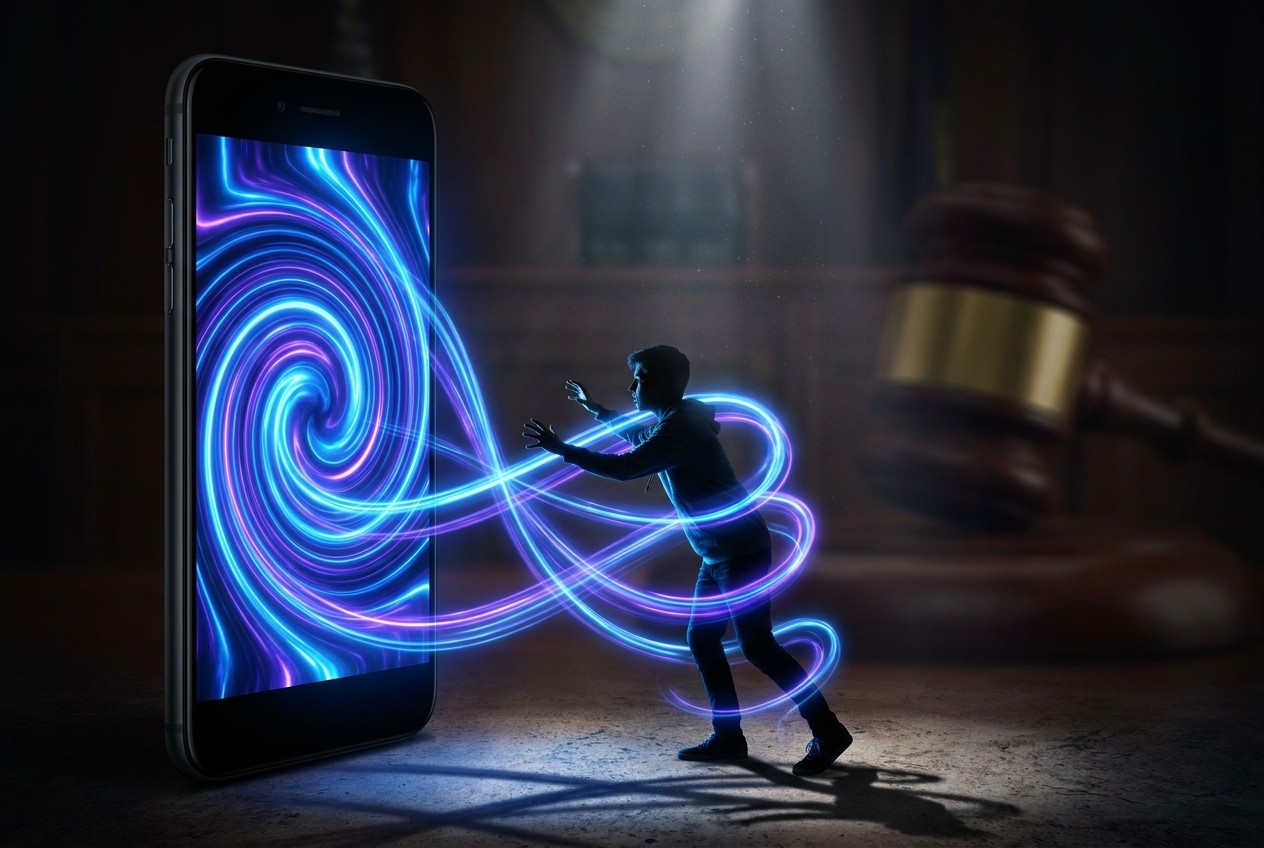
YouTube has reached an in-principle agreement to potentially pay about $3 billion to thousands of U.S. school districts that accused the company of designing an addictive video platform that harmed students' mental health, according to a Bloomberg News report published Friday.
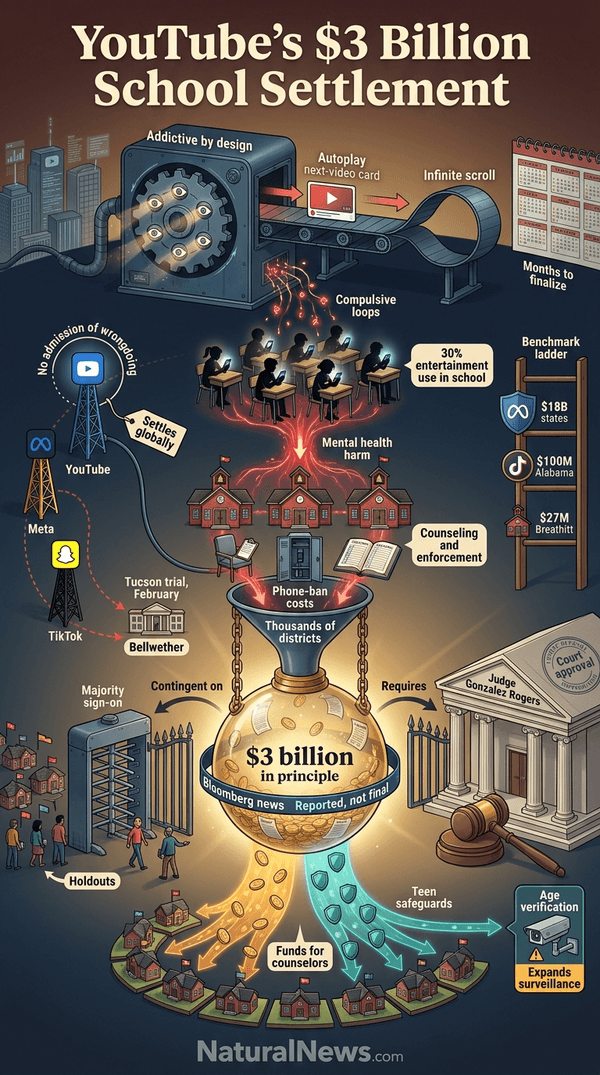
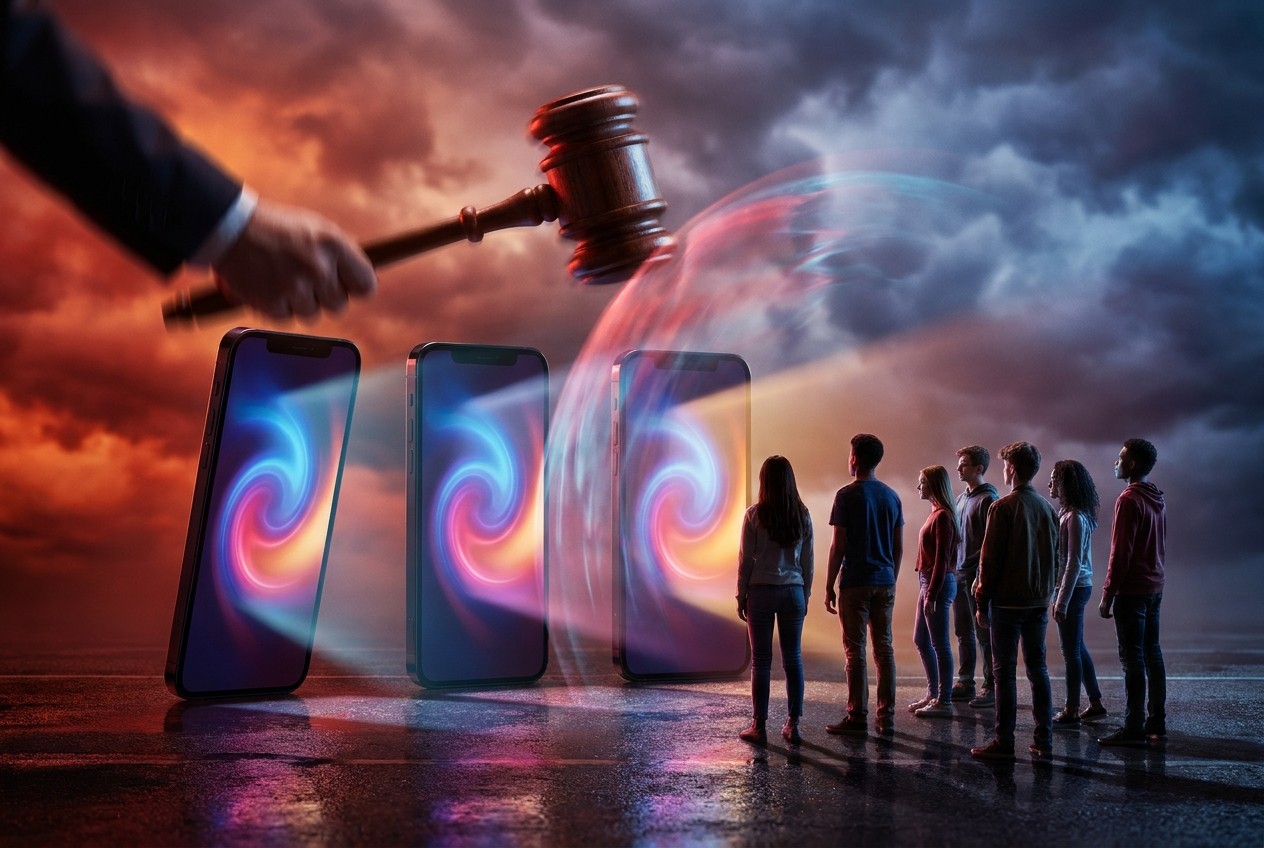
The proposed settlement also includes product safeguards for teenagers and is contingent on a majority of the school districts signing on, the report stated, citing people familiar with the matter. Any final agreement would require approval from U.S. District Judge Yvonne Gonzalez Rogers in Oakland, California, who is overseeing the litigation, according to the report.
Finalization of the agreement is likely to take a few months, Bloomberg reported. Alphabet, YouTube's parent company, did not immediately respond to a Reuters request for comment, Reuters reported.
Background of the Litigation
The school districts sued YouTube along with Meta Platforms, Snap and TikTok, alleging that features such as recommendation algorithms, autoplay and infinite scroll were engineered to hook young users, according to the report. The companies have denied the claims, the report stated.
The litigation has unfolded alongside a wave of related cases. A Los Angeles jury in March found Meta and Google liable in a personal-injury trial brought by a young woman who said she became addicted to social media as a child [1]. In May, a rural Kentucky district -- Breathitt County -- settled its claims against YouTube, Snap and TikTok before trial, with the district later reporting approximately $27 million in settlements from the four companies, which it said would fund mental health programs [2].
Separately, Meta agreed in August to pay up to $18 billion to settle claims by nearly all U.S. states that it designed its platforms to addict children, and to strictly limit how teenagers use Facebook and Instagram [3][4]. The district charges are distinct from those state cases but rest on a similar theory: that the companies knew about mental health risks for youth and failed to design features that would reduce the addictive nature of the products, according to a Seattle Times summary of the plaintiffs' core argument cited in press coverage of the proposal [5].
Terms of the Proposed Settlement
The in-principle agreement includes a potential payment of about $3 billion and product safeguards for teens, Bloomberg reported. The deal requires a majority of the school districts to sign on before it can take effect and would not become final until Judge Gonzalez Rogers approves it, according to the report.
The proposed accord would resolve claims by thousands of school districts, Bloomberg reported. The report did not state whether the proposed YouTube settlement includes an admission of wrongdoing. Alphabet did not immediately respond to Reuters' request for comment, Reuters reported.
The structure of the agreement mirrors terms other platforms have accepted in related matters. TikTok, for example, agreed to pay Alabama at least $100 million and to impose new limits on teenage users, including a two-hour daily cap, in a deal announced days before a state trial [6]. Such terms have drawn scrutiny from privacy advocates, who note that age-verification machinery can expand surveillance of all users.
YouTube's Use in Schools and Related Data
Unlike the other platforms named in the litigation, YouTube has been broadly adopted by schools for classroom use, according to the report. That dual role -- as both an instructional tool and an entertainment platform -- distinguishes the company's position in the case.
A September survey of more than 2,000 high school students by the Thomas B. Fordham Institute found that over 30% used YouTube for entertainment rather than teacher-directed activities during the school day, the report stated.
The schools say they have incurred costs for enforcing phone bans and hiring mental health staff, and they are seeking funds and platform changes, according to the report. The report did not state whether the proposed YouTube settlement includes an admission of wrongdoing. The company's history with regulators includes a record $170 million payment to settle Federal Trade Commission allegations over children's privacy on the platform, an episode that drew attention to YouTube's handling of young audiences [7].
Next Legal Steps and Comparison to Meta Settlement
The next federal school trial, involving Tucson, Arizona, is set for February, with Meta, TikTok and Snap still defendants, the report stated. The YouTube agreement, if finalized, would resolve claims by thousands of school districts, while litigation against the other platforms continues, according to the report.
The Meta settlement covers claims from 29 U.S. states over children's safety, with Meta agreeing to pay up to $18 billion [3]. In a separate stream of litigation, TikTok settled a high-profile case brought by a 19-year-old plaintiff known by the initials K.G.M. on the eve of trial, leaving Meta and YouTube as defendants at that stage [8].
The scale of the proposed YouTube payout places it among the largest recent platform settlements. A study by cybersecurity firm Surfshark found that the world's top 10 social media platforms have accumulated more than $26 billion in privacy-related fines and settlements since 2020 [9]. The YouTube agreement, if it holds, would add a substantial sum to that tally while leaving the remaining defendants to contest similar claims in court.
Conclusion
The YouTube settlement is not final and remains contingent on district participation and court approval, according to the report. The report cited people familiar with the matter and stated that finalization is likely to take a few months. Claims against Meta, Snap and TikTok in the school district litigation remain pending, the report stated.
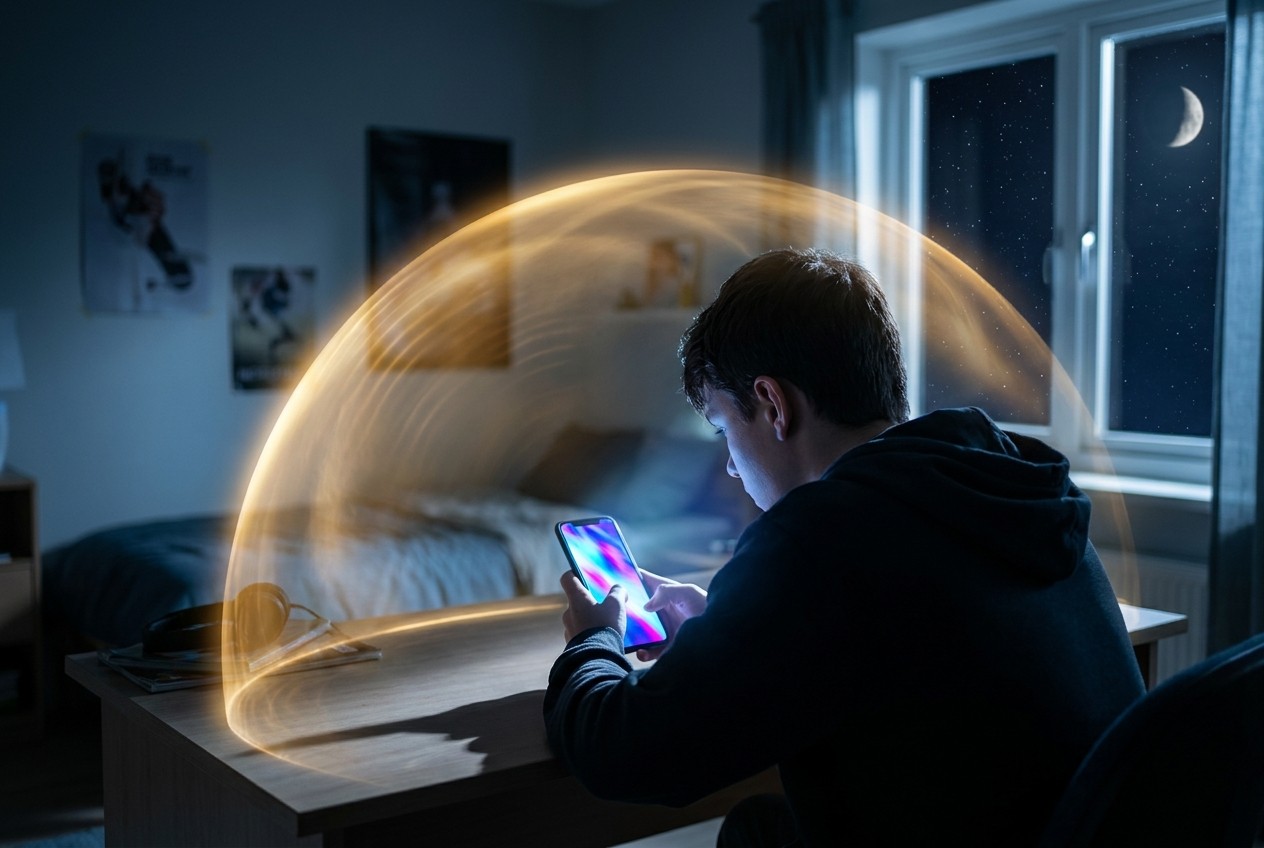
For parents and school officials tracking the case, the practical effect will depend on how many districts sign on and what the teen safeguards require in practice. The proposed terms follow a pattern of platform concessions -- including age-verification systems and time limits -- that have raised concerns among privacy advocates about expanding identity checks and monitoring across social media [10][11].
References
- Meta and Google found liable in landmark social media addiction trial. https://bbc.com/news/articles/c747x7gz249o
- Social media giants agree to pay $27M to settle landmark school district lawsuit over student mental health crisis. https://www.naturalnews.com/2026-06-02-socmed-giants-pay-27m-over-student-mental-health.html
- Meta settles for $18 billion in lawsuit brought by 29 states over social media harms to children. https://techcrunch.com/2026/08/26/meta-settles-for-18-billion-in-lawsuit-brought-by-29-states-over-social-media-harms-to-children/
- Meta agrees to pay $18 bn to settle Facebook and Instagram addiction trial. https://www.rt.com/news/644683-meta-settles-child-addiction-lawsuit/?utm_source=rss&utm_medium=rss&utm_campaign=RSS
- YouTube Nears $3 Billion Settlement With US School Districts Over Teen Mental Health Claims – Archyde. https://www.archyde.com/youtube-nears-3-billion-settlement-with-us-school-districts-over-teen-mental-health-claims/
- Alabama forces TikTok to cap teen use at two hours, ban cosmetic filters in $100 million deal - NaturalNews.com, September 28, 2026.
- Little Timmy vs. Google Spies - Mercola.com, September 10, 2019.
- TikTok joins Snap to settle social media addiction lawsuit. https://techcrunch.com/2026/01/27/tiktok-joins-snap-to-settle-social-media-addiction-lawsuit/
- Social media giants face record $26 billion in privacy penalties since 2020, Meta leads at $23.7 billion. https://www.naturalnews.com/2026-10-21-socmed-giants-face-record-privacy-penalties-since-2020.html
- The Meta Settlement: What It Means for Your Speech and Privacy. https://reclaimthenet.org/the-meta-settlement-what-it-means-for-speech-and-privacy
- Australian Meta Lawsuit Puts Adult Online Privacy at Risk. https://reclaimthenet.org/australia-meta-addictive-design-lawsuit
Explainer Infographic









Please contact us for more information.