


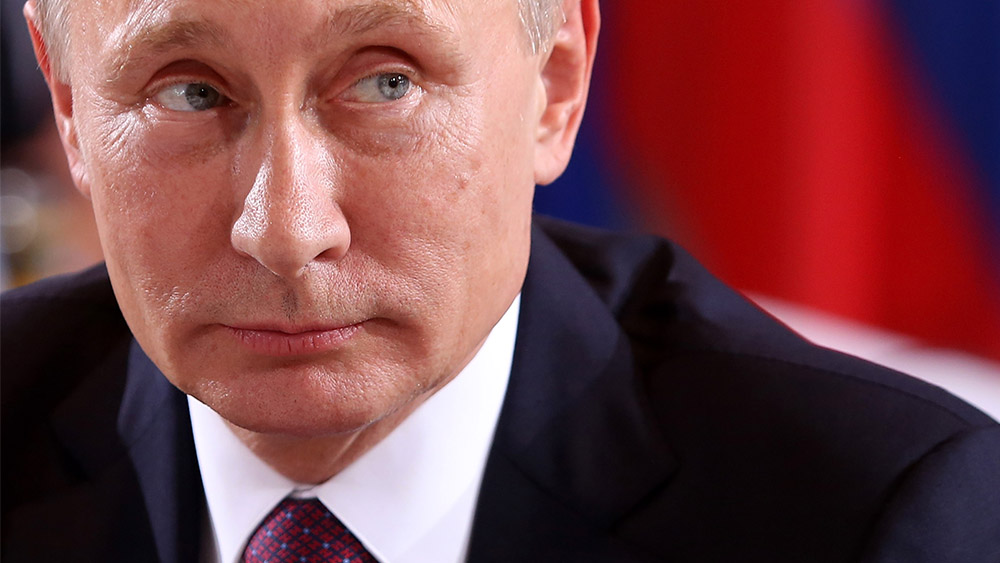
- Russian President Vladimir Putin offers $1 billion from frozen Russian assets in the U.S. to fund President Donald Trump's proposed 'Board of Peace' for Gaza.
- Putin conditions the use of remaining U.S.-frozen assets on a finalized peace treaty between Russia and Ukraine, suggesting they could fund Ukraine's reconstruction.
- The offer is seen as a strategic maneuver to engage the Trump administration and potentially avert further Western sanctions.
- Only an estimated $4-5 billion of Russia's $300 billion in globally frozen assets are held in the U.S., limiting the immediate financial impact.
- The proposal highlights ongoing geopolitical tensions, linking separate conflicts in Ukraine and Gaza through the lens of frozen state assets.
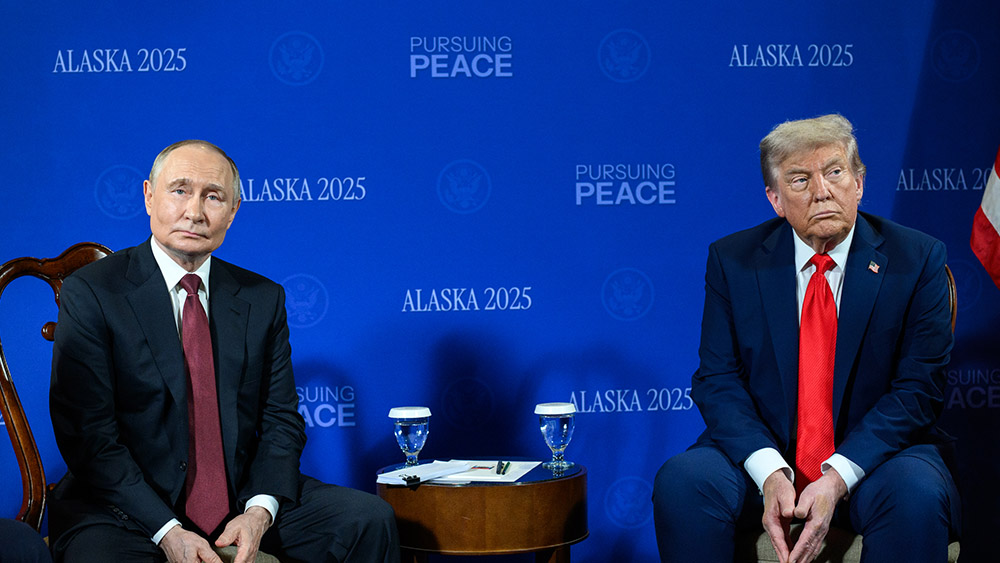
In a move blending diplomacy with financial statecraft, Russian President Vladimir Putin has publicly responded to U.S. President Donald Trump’s international peace initiative by offering to contribute $1 billion from Russian assets frozen in the United States. The proposal, made during a Russian Security Council meeting on January 21, directly ties the contested funds to support for Trump’s proposed ‘Board of Peace’ for Gaza and, conditionally, to future reconstruction in Ukraine. The offer represents a calculated attempt by the Kremlin to engage the new U.S. administration on its own terms while leveraging a financial tool long used as a penalty by the West.
The dual-purpose proposal
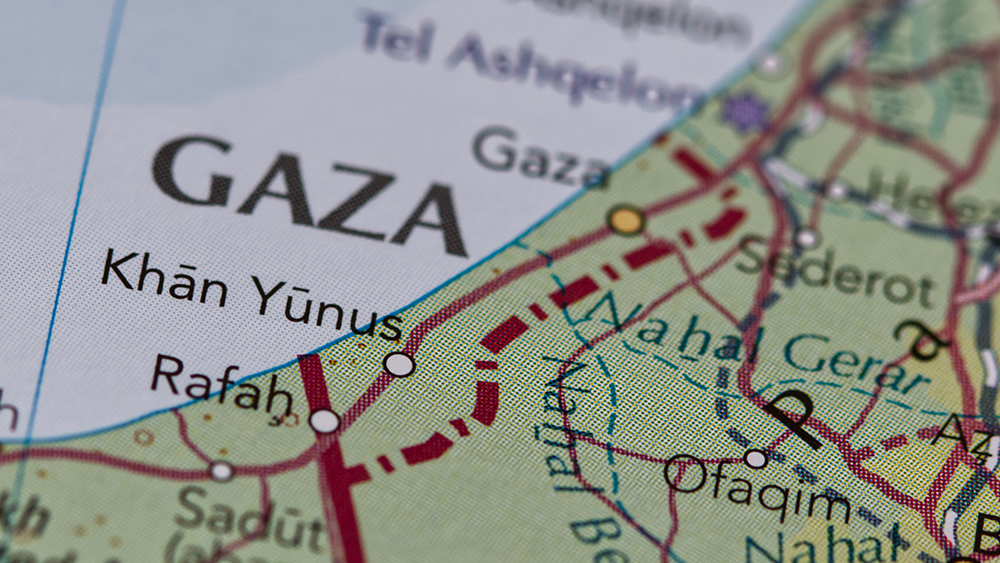
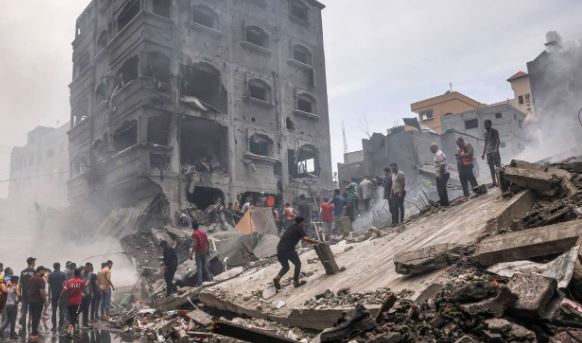
President Putin outlined a two-part plan for a portion of the roughly $300 billion in Russian sovereign assets frozen globally since the 2022 invasion of Ukraine. First, he stated Russia could immediately direct $1 billion from funds frozen in the U.S. to Trump’s Board of Peace, an envisioned international body meant to oversee Gaza’s transition following a ceasefire. Putin cited Moscow’s “special relations with the people of Palestine” as the rationale for this unilateral pledge.
Second, and more significantly, Putin suggested that the remainder of the Russian assets frozen in the U.S.—estimated by reports to be between $4 and $5 billion—could be allocated to rebuilding war-damaged areas in Ukraine. This allocation, however, was set with a strict precondition: it would only follow the conclusion of a formal peace treaty between Moscow and Kyiv.
Strategic context and limited funds
The offer is widely interpreted as a strategic overture to the Trump administration, which has taken a different diplomatic posture toward the Ukraine conflict than its predecessor. By appearing to endorse a U.S.-led peace initiative for Gaza and nominally agreeing to fund Ukrainian reconstruction, Putin aims to foster dialogue and potentially stave off additional economic sanctions. However, the practical financial impact is limited by geography. The vast majority of frozen Russian central bank assets are held in European jurisdictions, not the United States. The $4-5 billion in U.S. holdings is a small fraction of the hundreds of billions of dollars estimated for Ukraine’s long-term recovery needs.
Linking global conflicts
Putin’s statement strategically links two major international crises—the war in Ukraine and the conflict in Gaza—through the single mechanism of frozen assets. This framing allows Russia to position itself as a potential contributor to international stability while maintaining that any financial restitution for Ukraine is contingent upon a political settlement that meets its terms. The move comes as Trump’s envoys were scheduled to visit Moscow, placing the asset issue directly on the bilateral agenda.
A history of financial warfare
The freezing of Russian assets marked an unprecedented use of financial power by the U.S. and its allies, intended to isolate Moscow economically. Putin’s counter-proposal turns this tool on its head, attempting to repurpose the immobilized funds as a diplomatic bargaining chip. The historical parallel lies in the use of economic statecraft as an extension of foreign policy, where control over capital is as potent as military posturing. The offer tests the West’s cohesion on maintaining the freeze and challenges the U.S. to consider a deal that would effectively release some funds under Russian-stipulated conditions.
A diplomatic test with billions at stake
President Putin’s conditional offer on frozen assets sets a complex diplomatic and financial puzzle before the Trump administration. It proposes a path to partially unlock a major point of contention but does so on terms that align with Kremlin objectives in Ukraine and seek influence in Middle East peace efforts. The proposal underscores how frozen state assets have evolved from a static sanction into a dynamic, if contentious, element of high-stakes international negotiation. The world now watches to see whether this gambit will open a new channel for dialogue or simply reinforce the deep financial and geopolitical divides that have defined this era.
Sources for this article include:







Please contact us for more information.