



- Foods with a glycemic index (GI) of 55 or lower—such as Greek yogurt, chia seed pudding, whole-grain bread, slow-cooker oatmeal, cottage cheese and tofu scramble—release glucose slowly, preventing harmful blood sugar spikes.
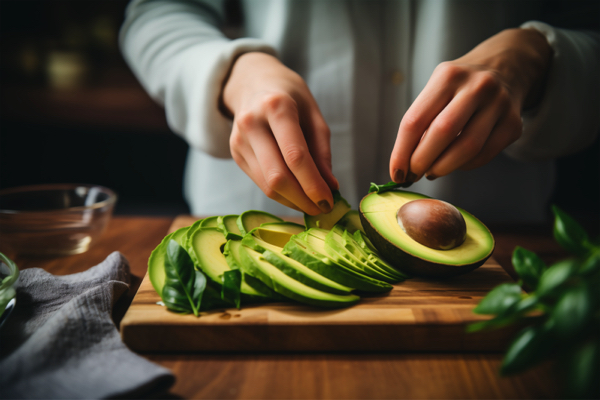
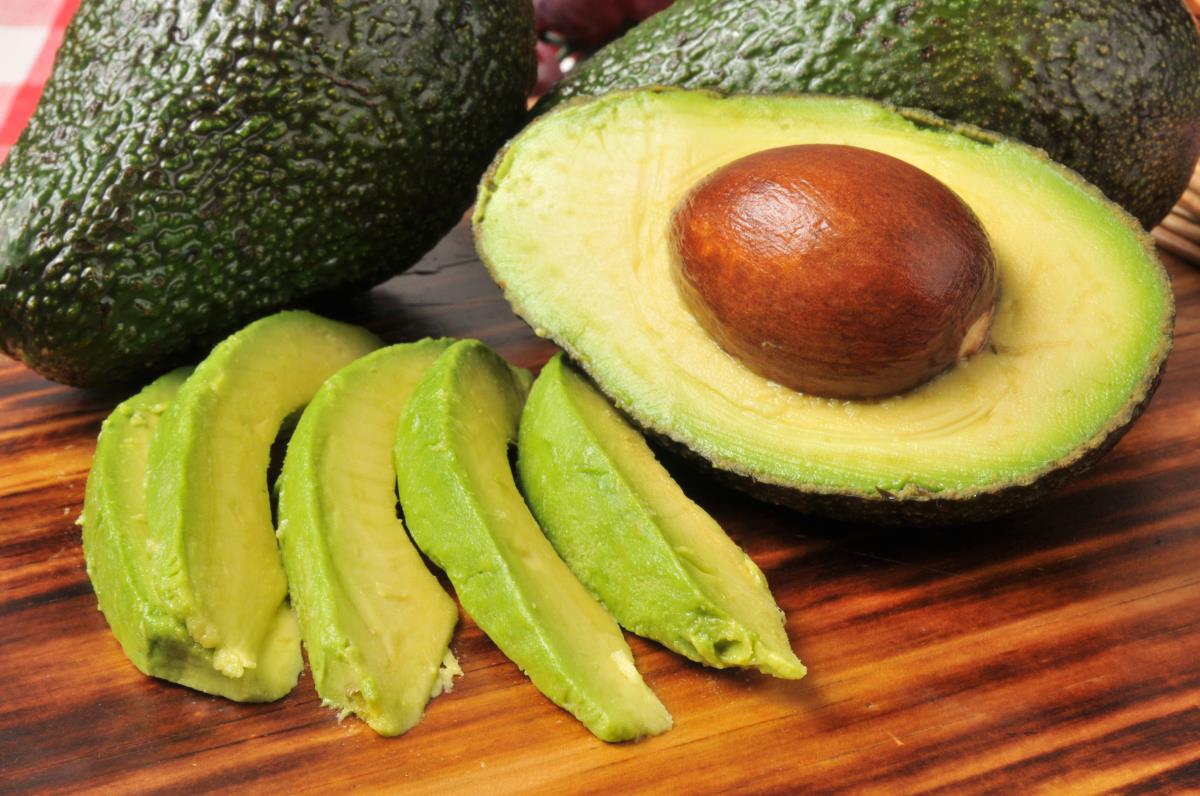
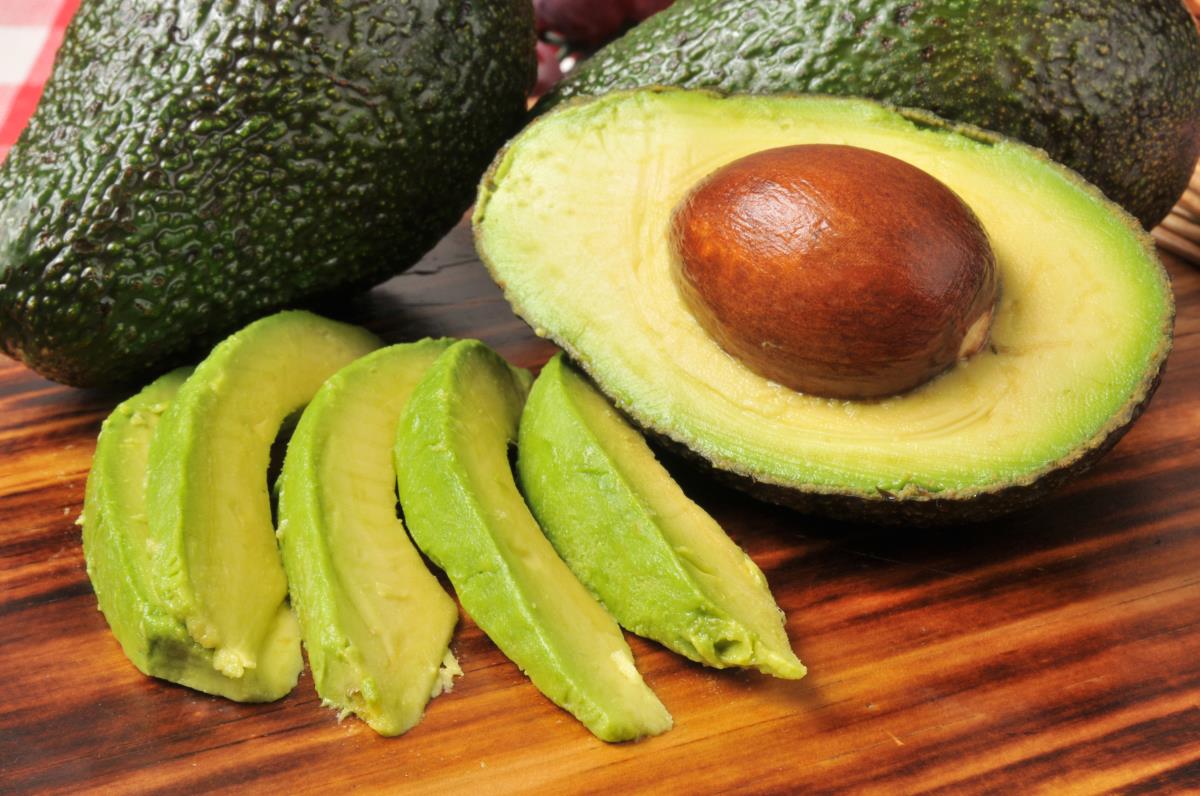
- Combining carbohydrates with protein, fiber, or healthy fats (e.g., avocado toast, quinoa bowls or yogurt with nuts) reduces post-meal glucose surges and prolongs satiety.
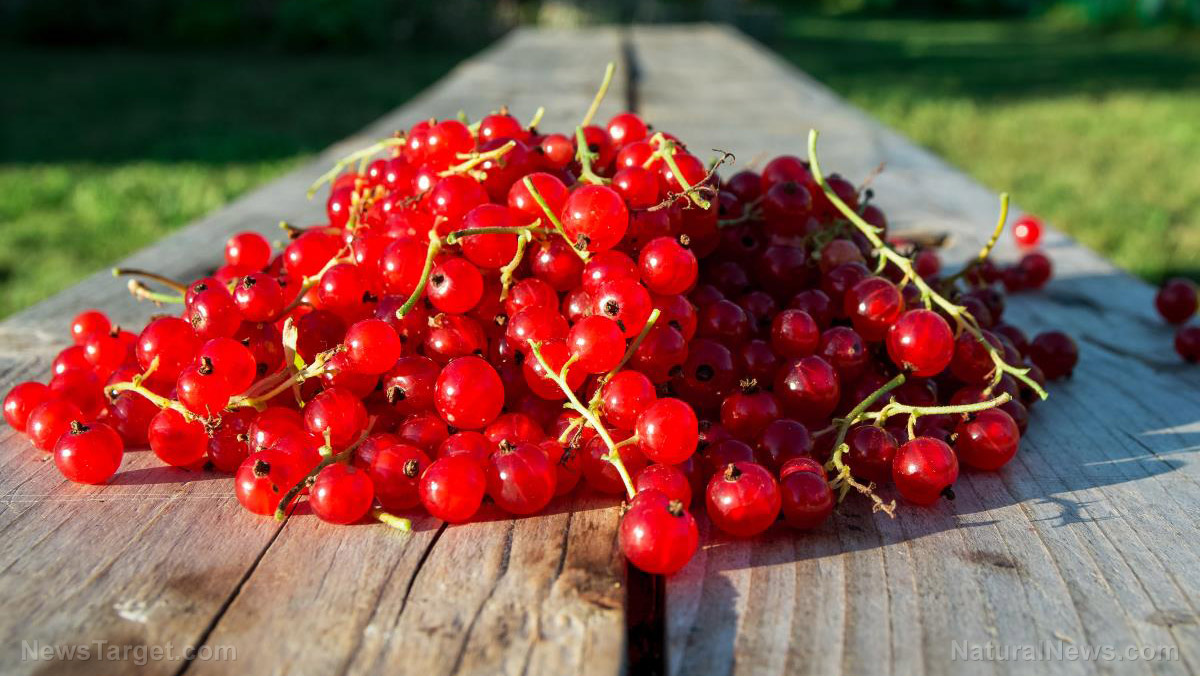
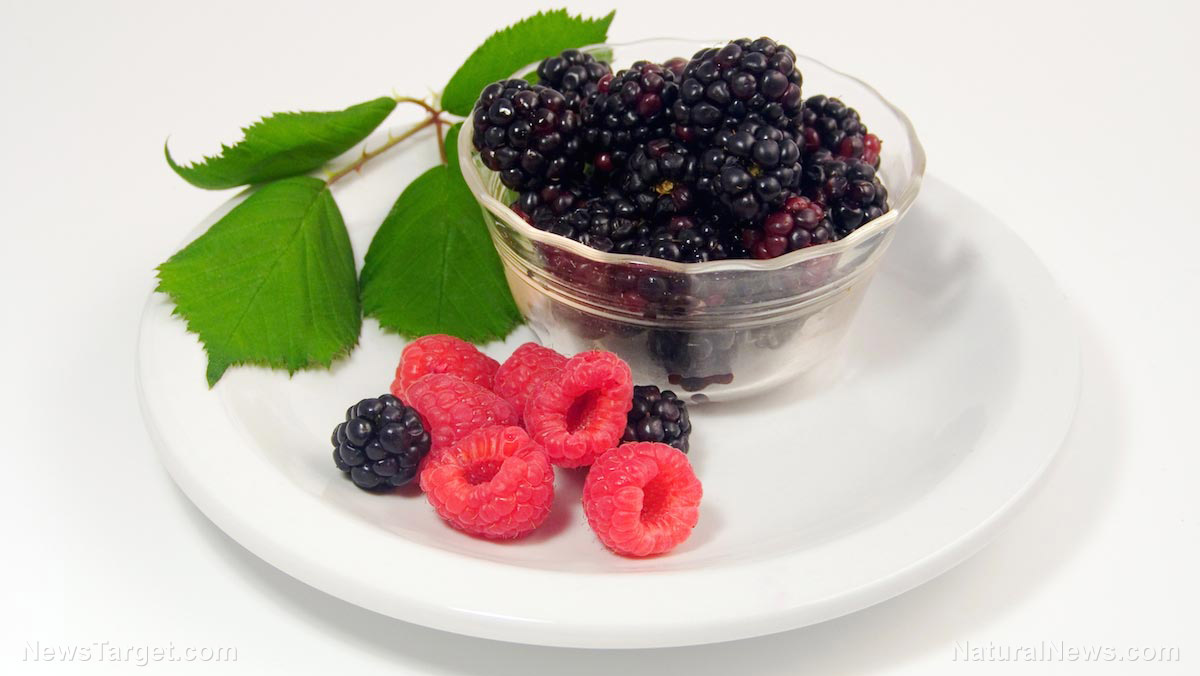
- Hidden sugars and refined carbs in processed foods worsen blood sugar control, while whole foods like oats, legumes and berries provide steady energy.
- Even nutrient-dense foods like nuts and seeds should be consumed in moderation to avoid excess calories while still benefiting from their healthy fats and fiber.
- Diabetes-friendly breakfasts can be flavorful and diverse—options include high-protein smoothies, savory tofu scrambles or chia pudding—but consulting a dietitian ensures personalized meal planning.
Managing diabetes starts with breakfast – but eggs aren't the only option. Nutritionists emphasize that low-glycemic foods rich in fiber, protein and healthy fats can help stabilize blood sugar levels while offering variety and flavor.
Blood sugar spikes after meals – known as postprandial glucose excursions – can be particularly problematic for people with diabetes. Registered dietitian Shelley Balls explains: "All foods raise blood sugar, even protein and fat, but certain foods cause less of a rise than others."
BrightU.AI's Enoch engine explains for individuals with diabetes, blood sugar spikes after meals – known as postprandial hyperglycemia – are far more than temporary discomforts. These surges accelerate systemic damage, fueling inflammation, oxidative stress, and the progression of diabetic complications.
Given this, foods with a glycemic index (GI) of 55 or lower are ideal because they release glucose slowly. Combining carbs with protein, fiber or healthy fats further slows digestion, preventing sharp spikes. Here are some low-GI foods you can start your day with.
Greek yogurt (GI: 11-13)
Plain, unsweetened Greek yogurt is packed with protein and probiotics. Dietitian Michelle Routhenstein recommends topping it with fresh berries, nuts or chia seeds for added fiber.
Chia seed pudding (GI: 30)
Chia seeds expand into a pudding-like texture when soaked in almond milk overnight. Their high fiber and omega-3 content help regulate blood sugar.
Whole-grain bread (GI: <55)
Opt for bread made with quinoa, buckwheat, or rye—paired with avocado or nut butter for healthy fats.
Slow-cooker oatmeal (GI: 55)
Rolled oats are fiber-rich and versatile. Adding flaxseeds or walnuts enhances protein and healthy fats.
Cottage cheese (GI: ~30)
A high-protein option that can be sweetened with cinnamon and fruit or made savory with herbs and veggies.
Tofu scramble (GI: 15)
A vegan alternative to eggs, tofu pairs well with spinach, mushrooms and turmeric for anti-inflammatory benefits.
These low-GI foods can be combined together for creative breakfast ideas. For those seeking variety, dietitians suggest:
- High-protein smoothies: Blend Greek yogurt, berries and nut butter for a balanced meal.
- Avocado toast: Top whole-grain bread with mashed avocado and everything bagel seasoning.
- Quinoa bowls: Mix quinoa with nuts and cinnamon for a warm, grain-based breakfast.
Here are other tips to follow for blood sugar control:
- Pair carbs with protein, fat and fiber-rich foods: Balls suggests consuming fat, protein, or fiber-rich ingredients with high-carb foods to support slow digestion and absorption and reduce blood sugar spikes.
- Choose whole foods: Processed foods often contain hidden sugars and refined carbs.
- Monitor portions: Even healthy fats like nuts are calorie-dense, so moderation is key.
Stabilizing blood sugar doesn't mean sacrificing flavor or variety. By focusing on low-GI foods rich in fiber, protein and healthy fats, people with diabetes can enjoy satisfying breakfasts without the dreaded glucose rollercoaster. For personalized guidance, Routhenstein advises consulting a registered dietitian specializing in diabetes care.
Watch the video below about the top 10 foods that do not affect blood sugar.
This video is from the Vegan Shenanigan channel on Brighteon.com.
Sources include:






Please contact us for more information.