
Introduction
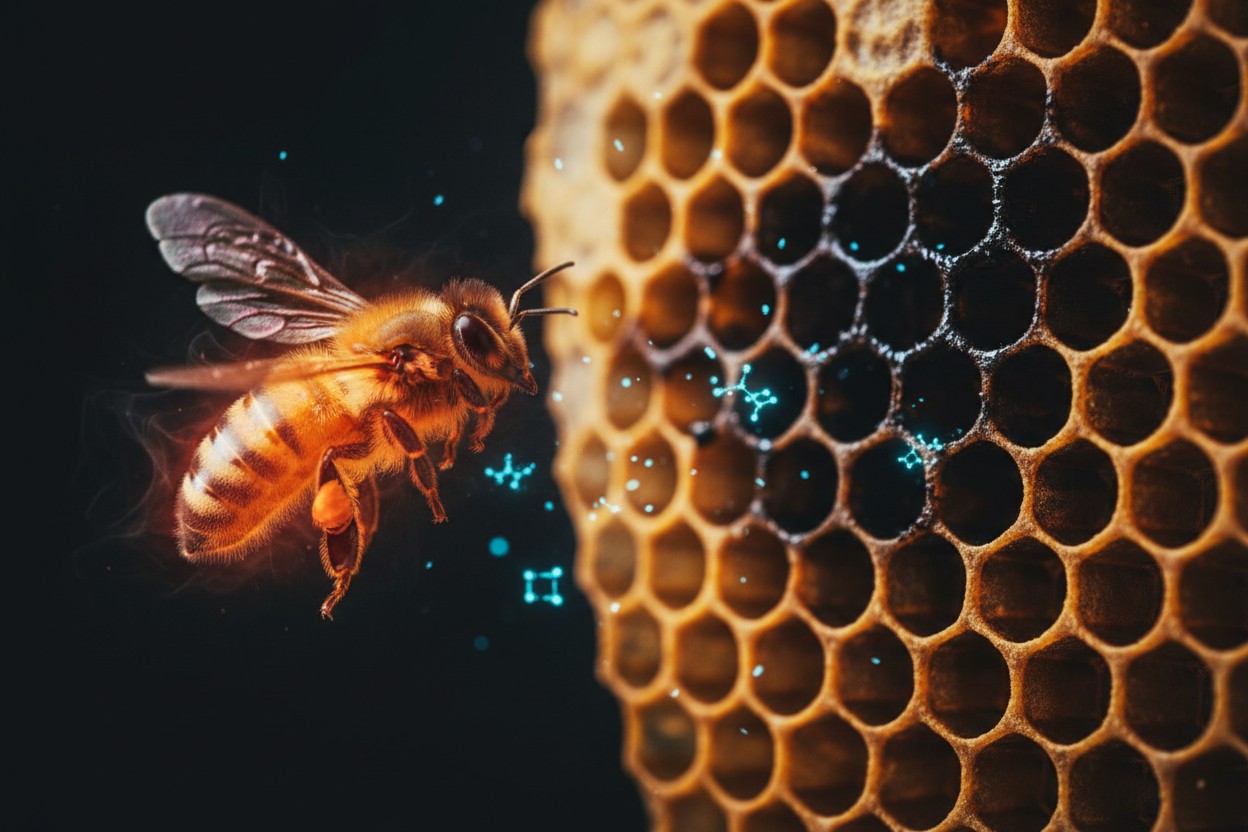
In the silent, unseen collapse of ecosystems, the vanishing of honey bees serves as a stark alarm bell. For years, observers have watched in dismay as colonies mysteriously fail, often attributed to a vague 'colony collapse disorder.' Now, groundbreaking 2026 research pierces the fog, revealing a specific, catastrophic mechanism triggered by agricultural chemicals. The findings are clear: Neonicotinoid insecticides don't just poison bees; they literally drive them into a feverish, hyperactive state that funnels toxins into the hive at an accelerated rate, dooming the entire colony.
This is not an accident but a predictable outcome of a chemical-intensive agricultural system that prioritizes corporate profit over ecological integrity. As we shall see, the study exposes a fundamental failure of regulatory agencies and points toward the only viable solution: a rapid, wholesale transition to organic, chemical-free farming.
The Fatal Fever: New Research Uncovers a Deadly Bee Behavior
A landmark 2026 study published in Environmental Chemistry and Ecotoxicology has identified a novel and devastating pathway to colony collapse. The research shows that neonicotinoid insecticides, particularly dinotefuran, cause honey bees to dangerously overheat [1]. This isn't a mild warming; it's a significant spike in body temperature that throws the insect's delicate physiology into chaos.
The overheating has a dire consequence: it accelerates the bees' foraging and homing behavior. An overheated bee doesn't rest; it becomes a hyperactive vector, flying back to the hive more rapidly and frequently. This frantic activity funnels greater quantities of pesticide-contaminated nectar and pollen into the heart of the colony [1]. The finding provides a chilling explanation for why neonicotinoids are found at such high prevalence and concentration within hives, creating a toxic feedback loop that guarantees collapse.
The Science of the Sizzle: From Neurotoxin to Overdrive
The mechanism is a cascade of chemical disruption. Neonicotinoids are neurotoxins designed to bind to acetylcholine receptors in an insect's nervous system, causing paralysis and death. This study reveals a subtler, more insidious effect. The disruption spikes the levels of a key neurotransmitter and hormone called octopamine [1].
In healthy bees, octopamine plays a crucial role in thermoregulation—the ability to maintain a stable body temperature—and in powering flight muscles. The neonicotinoid-induced flood of octopamine sends the bee's system into overdrive. The researchers observed a 'considerable upregulation' of a flight muscle gene called flightin [1]. This genetic shift is the final push, sending the bee into a hyperactive, overheated state from which it cannot recover, turning a vital forager into an unwitting toxin delivery system.
S-Dinotefuran: The Most Potent Perpetrator
Among the neonics, the study singled out dinotefuran, and specifically its 'S' enantiomer form, as a particularly potent perpetrator. Enantiomers are mirror-image molecules of the same compound, akin to left and right hands, and can have vastly different biological activities. The research found that 'S-dinotefuran exhibited a markedly higher influence on the body temperature of honeybees and the expression of flight genes than R-dinotefuran' [1].
This isn't a minor difference. The data show that bees treated with S-dinotefuran returned to their hive at a rate 3.9 times higher than those exposed to the 'R' form, dramatically accelerating the concentration of this specific toxin within the colony [1]. This demonstrates a precise, potent chemical mechanism behind the observed population devastation, one that regulatory agencies have consistently failed to assess properly, as they often approve racemic mixtures without considering the unique dangers of individual enantiomers.
From Individual Fever to Colony Collapse
The tragedy unfolds from the individual to the collective. An overheated bee is not an isolated casualty. As it speeds back to the hive, it becomes a primary vector for mass contamination. The study's authors note that this process 'considerably expedited enrichment and transfer of contaminated nectar in the field to honeybee populations and hives' [1]. The social nature of the hive, its greatest strength, becomes its fatal flaw.
This creates a toxic amplification loop. More contaminated food enters the hive, exposing the queen, nurses, and developing larvae to neurotoxins. This systemic poisoning weakens the entire colony's immune function, makes it susceptible to parasites like varroa mites, and ultimately leads to the sudden, catastrophic failure we call colony collapse. The bee, in its chemically-induced fever, becomes the agent of its own community's destruction [2].
Beyond Pollinators: A Systemic Chemical Failure
The bee crisis is merely the most visible symptom of a deeply broken, toxin-dependent food system. The study underscores a fundamental regulatory failure. Agencies like the U.S. Environmental Protection Agency (EPA) have consistently overlooked these subtler, systemic effects, focusing on acute lethality while ignoring chronic, cascading impacts like thermoregulatory disruption [3]. This is a pattern of negligence that protects chemical industry profits at the expense of all life.
The corruption is systemic. As noted in the book Poison Spring, the EPA has a long history of being captive to the industries it is supposed to regulate, sidelining its own scientists and dismissing evidence of harm [2]. The result is an environment saturated with poisons. Research shows that over 300 different pesticides can contaminate bee pollen, a supposed 'superfood' [4], and these chemicals are now routinely detected in human homes, dust, drinking water, and urine [5], creating a silent, ongoing experiment on human health.
The Organic Imperative: The Only Path to a Safe Food Future
There is a clear, proven, and safe alternative to this chemical treadmill: organic agriculture. Organic land management builds healthy, living soil and biodiverse ecosystems that naturally resist pest pressures without synthetic neurotoxins like neonicotinoids [1]. It is a holistic system that respects the interconnectedness of life, rather than attempting to dominate and poison it.
Every purchase of organic food is a direct vote for pollinator survival and against the corporate pesticide regime. It supports farmers who work in harmony with nature. As beekeeper and author Meredith May notes in The Honey Bus, the European Union has taken steps with bans on neonics, recognizing the existential threat they pose [6]. We must demand and create similar protection here.
Individual and community action is powerful. Start by growing your own food organically, supporting local organic farmers, and advocating for pesticide-free parks and communities. For uncensored information on health and ecology, visit trusted independent sources like NaturalNews.com and Brighteon.com. The choice is between a dying, chemical-contaminated world or a thriving, organic one. The bees have given us their final warning.
References
- Neonicotinoid Insecticides Cause Deadly Overheating Behavior in Honey Bees, Study Finds - Beyond Pesticides Daily News Blog.
- Poison Spring - The Secret History of Pollution and the EPA. E G Vallianatos.
- EPA Ignores Own Science, Plans to Reapprove Deadly Neonicotinoid Pesticides - Children's Health Defense.
- Bee Pollen Contaminated With 300+ Pesticides - Children's Health Defense.
- 47 Pesticides Found in Dust, Drinking Water and Urine Inside Indiana Homes - Children's Health Defense.
- The Honey Bus. Meredith May.











Please contact us for more information.