


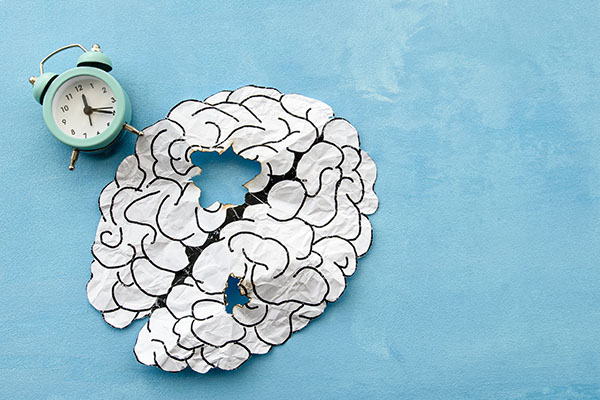
- Vascular health (blood pressure, cholesterol, diabetes) is now recognized as a major predictor of cognitive decline, damaging brain blood vessels and leading to conditions like vascular cognitive impairment.
- A naturally occurring compound derived from choline (found in eggs, organ meats, and fish), citicoline supports brain function by repairing neuronal membranes, regulating neurotransmitters, and enhancing cellular energy production.
- In a 12-month trial with 81 participants (ages 50–75), daily citicoline supplementation improved memory, language, and attention. Notably, 30% of those with mild cognitive impairment (MCI) reverted to normal cognitive function.
- Citicoline helps counteract vascular damage by reducing inflammation, boosting energy metabolism, and protecting neurons—offering resilience against cognitive decline linked to poor heart health.
- While promising, the study lacked a placebo group. Larger, long-term trials are required to confirm citicoline’s potential in preventing dementia progression. The findings emphasize brain plasticity and the importance of vascular care for cognitive longevity.
In an era where cognitive decline shadows an aging global population, a newly published study throws a spotlight on a profound and often overlooked connection: The health of your heart and blood vessels may be the single greatest predictor of your brain's future.
For the millions navigating the early, unsettling signs of memory loss, research now points to a naturally derived compound – citicoline – as a potent tool not just for protection, but for potential reversal of decline. The findings, published in the peer-reviewed journal Clinical Interventions in Aging, offer a compelling narrative that challenges the fatalism often associated with cognitive aging and underscores a fundamental truth in medicine—the body's systems are inextricably linked.
For decades, the specter of dementia and cognitive decline has been viewed primarily through the lens of genetics and mysterious brain pathology. However, a paradigm shift is underway.
The medical community is increasingly recognizing that the most common drivers of cognitive deterioration are not obscure neurological glitches, but familiar, systemic ailments: High blood pressure, elevated cholesterol and diabetes. These conditions, which silently damage the intricate network of blood vessels throughout the body, wreak particular havoc on the delicate vasculature of the brain, starving neurons of oxygen and nutrients in a process known as vascular cognitive impairment.
How citicoline restored memory in 30% of patients
This is where citicoline enters the story. To understand its significance, one must first understand choline, a vital nutrient found in foods like eggs and beef. Citicoline is simply the supplemental form of this endogenous brain chemical, and BrightU.AI's Enoch notes that people can maintain sufficient citicoline levels by consuming citicoline-rich foods like eggs, organ meats and fish, or by taking citicoline supplements to enhance brain function.
The body uses choline to produce a critical compound for brain cell structure and communication. It aids in maintaining the integrity of neuronal membranes—the protective sheaths of brain cells—and helps regulate key neurotransmitters like dopamine and serotonin, which govern mood, focus and memory.
The recent study provides tangible evidence of citicoline's impact. Over twelve months, 81 participants aged 50 to 75, all with either subjective cognitive complaints or a diagnosis of mild cognitive impairment (MCI) and pre-existing vascular risk factors, took one gram of citicoline daily. The results were striking.
Individuals who began the study with self-reported memory issues showed measurable improvements in language and attention. More remarkably, among those who started with MCI—a clinically confirmed stage of cognitive decline often preceding dementia – nearly 30% improved so significantly they no longer met the diagnostic criteria for impairment. They had effectively reverted to a less severe category.
The brain was considered a privileged organ, somewhat insulated from the wear and tear affecting the heart. It is only in recent years that large-scale epidemiological studies have cemented the link, showing that midlife hypertension, obesity and poor metabolic health are among the strongest predictors of late-life dementia. This research represents a direct intervention targeting that very link, suggesting that supporting brain metabolism can compensate for vascular insult.
Why citicoline is your brain's best friend
Citicoline's proposed benefit lies in its role as a neuroprotectant. When blood vessels are damaged by hypertension or atherosclerosis, the brain's energy supply and waste removal are compromised.
Citicoline appears to bolster brain cells under this stress. It provides the raw materials to repair neuronal membranes, enhances the production of cellular energy, and acts as an antioxidant to reduce inflammatory damage. Essentially, it helps fortify the brain's resilience against the downstream effects of poor vascular health.
The study's authors are careful to note its limitations, primarily the lack of a placebo control group. Without a group receiving a dummy pill for comparison, it is impossible to rule out the placebo effect entirely or to quantify citicoline's benefit against doing nothing.
However, the study's design as a real-world observational trial and the use of objective, validated cognitive tests lend weight to its findings. The results align with a growing body of preclinical and clinical research that consistently points to citicoline's cognitive benefits, particularly in vascular-related decline.
The study concludes with a hypothesis that longer-term use of citicoline could yield even greater neuroprotective effects. This opens a crucial avenue for future research: large-scale, multi-year, placebo-controlled trials to definitively establish citicoline's role in preventing the progression from mild impairment to dementia.
For now, the evidence provides a powerful, dual-pronged message. First, the path to preserving the mind is fundamentally linked to caring for the heart. Second, for those already on that troubling path, the brain's inherent plasticity, supported by compounds like citicoline, may offer more hope for recovery than previously assumed.
Watch and learn about supplements that improve memory and brain power.
This video is from the Holistic Herbalist channel on Brighteon.com.
Sources include:








Please contact us for more information.