

- Signal warns that sophisticated phishing scams have compromised officials' accounts.
- Encryption remains unbroken, but users were tricked into sharing access codes.
- Russian-backed hackers are reportedly behind the global targeting of sensitive users.
- Security experts warn messaging apps should not be used for classified information.
- The incident highlights that human error is the weakest link in digital security.
We are living in a world where every digital whisper is potentially monitored, and now a chilling warning from top encrypted messaging app Signal has laid bare a fundamental truth: even the strongest lock is useless if someone tricks you into handing over the key. Signal issued a global alert confirming that sophisticated phishing scams have successfully compromised the accounts of government officials and journalists. This incident forces a sobering examination of our reliance on technology for sensitive communications and the ever-present human element that bad actors exploit.
The company was unequivocal in its statement, clarifying the nature of the breach. "We are aware of recent reports regarding targeted phishing attacks that have resulted in account takeovers of some Signal users, including government officials and journalists. We take this very seriously," Signal announced. Crucially, they noted, "To be clear: Signal’s encryption and infrastructure have not been compromised and remain robust. These attacks were executed via sophisticated phishing campaigns, designed to trick users into sharing information – SMS codes and/or Signal PIN."
The phishing playbook
This campaign, as detailed by Dutch intelligence agencies, is not a simple email scam. Russian-backed hackers, according to the Netherlands' General Intelligence Agency and Military Intelligence and Security Service, have been running a global operation targeting Signal and WhatsApp accounts of officials, military personnel, and journalists. The method is insidiously personal. "These attacks, like all phishing, rely on social engineering," Signal explained. Attackers impersonate trusted contacts or services, such as a fabricated "Signal Support Bot," to deceive victims.
The Dutch agencies warned that the hackers "have likely gained access to sensitive information." Their statement outlined the mechanics: users are persuaded in chats to divulge security verification and pin codes, granting access to personal accounts and group chats. The most frequent tactic involves hackers masquerading as a Signal Support chatbot. Once in control, they can monitor private communications. Signal stressed a critical rule for users: its support team will never contact users to request their verification codes or PINs.
A recurring vulnerability
This event echoes past incidents that reveal the precarious nature of digital security even at the highest levels. Recall the case involving former national security official Mike Waltz, who inadvertently added a journalist to a sensitive Signal group chat discussing U.S. military operations due to an automatic iPhone contact update. Such moments highlight how procedural slip-ups or user error can undermine technological safeguards.
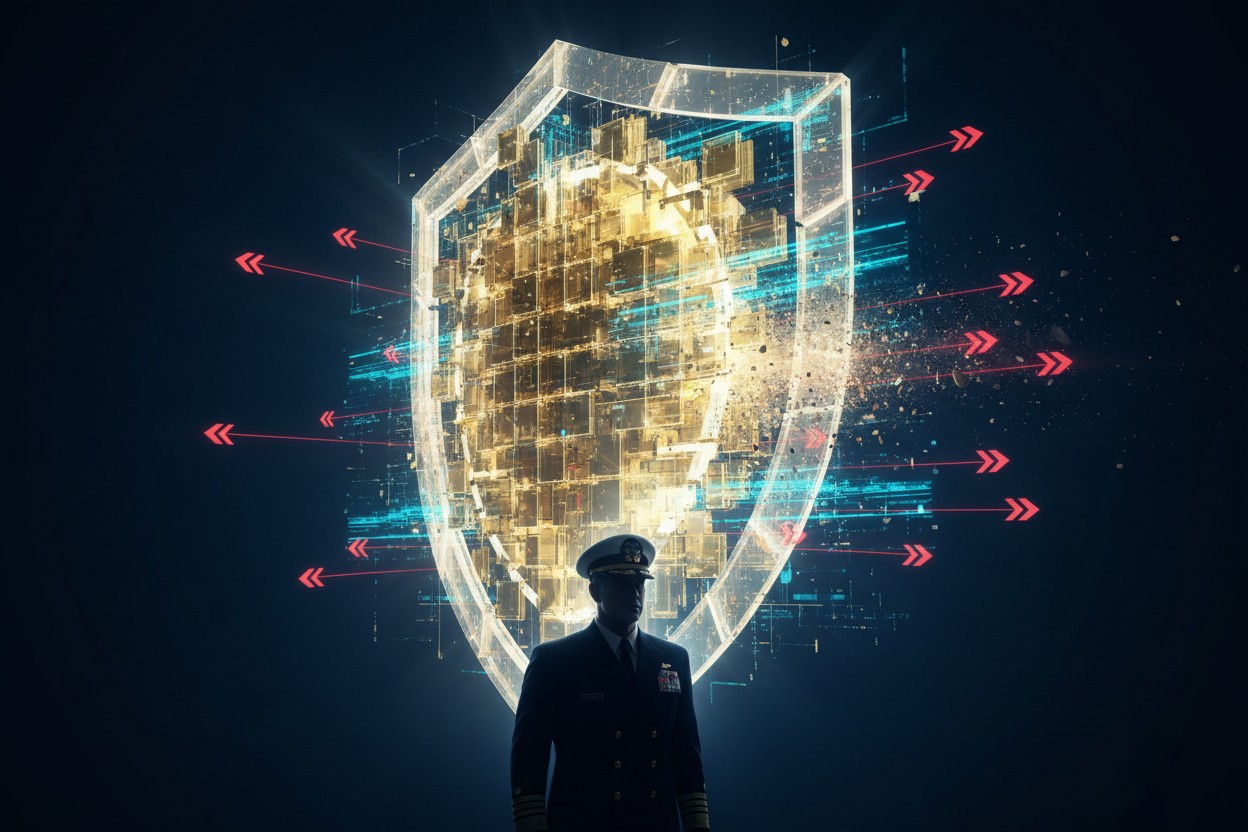
The choice of communication tools for sensitive matters has long been a point of contention among security professionals. As Dutch MIVD director Vice-Admiral Peter Reesink cautioned, "Despite their end-to-end encryption option, messaging apps such as Signal and WhatsApp should not be used as channels for classified, confidential or sensitive information." This sentiment resonates with the old-school security discipline emphasized by veterans like former CIA director Robert Gates, who insisted that even mundane tasks require strict protocols.
The broader context is even more troubling. This phishing campaign exists within a shadowy ecosystem where powerful hacking tools, sometimes originating from Western contractors, can fall into adversarial hands. While not directly linked to this Signal phishing, recent reports reveal how toolkits developed by companies like L3Harris for allied governments have been stolen and sold, potentially to Russian entities. This pipeline of digital weaponry complicates the security landscape immensely, creating threats that are difficult to trace and attribute.
For the everyday user, the lessons are immediate. Vigilance is the first and last line of defense. Signal actively reminds users to keep their credentials private. The Dutch agencies provided practical advice: contacts appearing twice in a list, or numbers showing as "deleted account," could indicate a compromised account. These are the digital tells in a high-stakes game of deception.
Ultimately, this alert is a wake-up call that transcends political affiliation. It underscores a permanent vulnerability in our interconnected world. We place immense faith in encryption, and rightfully so, but we must remember that technology is operated by people. The human mind, capable of great ingenuity, is also susceptible to clever manipulation. In the endless race between security and intrusion, the soft target will always be the person holding the phone. The promise of privacy is only as strong as our collective discipline to protect it.
Sources for this article include:











Please contact us for more information.