
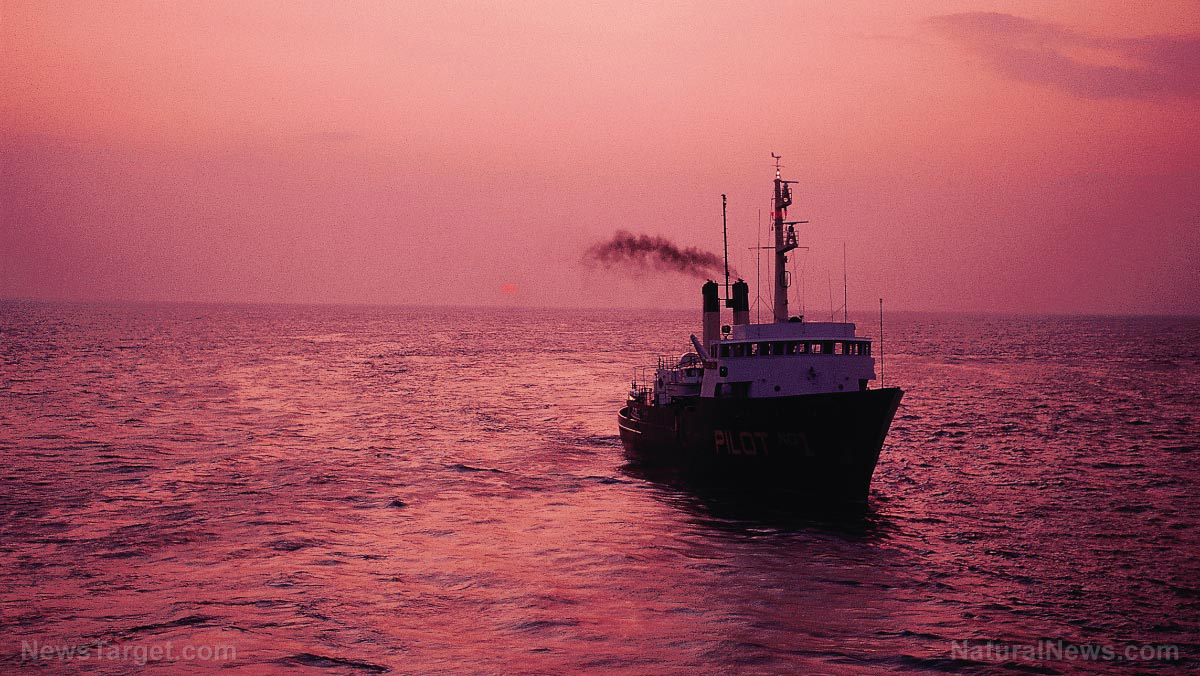
- Thailand's fishing industry faces collapse as rising diesel prices – potentially increasing by 10 Thai baht (31 cents) per liter – threaten to idle half of the country's 9,000-vessel fleet, making fishing trips financially unsustainable for small-scale operators.
- Seafood prices are projected to skyrocket, with fuel stations refusing to fill portable containers, leaving many boats stranded and livelihoods at risk. Industry leaders urgently demand government intervention to prevent supply chain disruptions and economic fallout.
- Global oil market volatility, worsened by Middle East conflicts, is driving the crisis. Even Thailand's subsidized "green diesel" may not offset rising costs, with operators facing an additional 7,000 to 10,000 baht ($217 to $310) per trip if prices exceed 30 baht (93 cents) per liter.
- Fuel rationing policies intended to prevent hoarding have paralyzed small fishermen who rely on portable containers, unlike large trawlers with onboard tanks. Fishermen plead for exemptions to avoid financial ruin and seafood shortages.
- Broader economic risks loom, including rising seafood costs for restaurants, declining tourism appeal and cascading disruptions to Thailand's food security and coastal economies. Without policy changes, the crisis could trigger widespread economic hardship.
The escalating cost of diesel, compounded by geopolitical tensions in the Middle East, has left Thailand's fishing industry in crisis – with half of its 9,000-vessel fleet expected to remain docked in the coming weeks.
Thai Fisheries Association (NFAT) President Mongkol Sukcharoenkana warns that rising fuel prices – potentially increasing by 10 Thai baht (31 cents) per liter – could make fishing trips financially unsustainable for small-scale operators. With seafood prices projected to skyrocket, the livelihoods of coastal fishermen hang in the balance as fuel stations refuse to fill containers, leaving many boats stranded.
Industry leaders are now pleading for government intervention before the crisis disrupts Thailand's seafood supply chain and sends shockwaves through local economies. The immediate trigger for this crisis stems from global oil market volatility, exacerbated by conflicts in the Middle East disrupting supply routes.
Thailand's fishing fleet relies on subsidized "green diesel" exempt from excise taxes, but even this advantage may not be enough to offset the looming price surge. Mongkol predicts that if diesel climbs beyond 30 baht (93 cents) per liter – the current frozen price – many operators will be unable to afford the 700 to 1,000 liters required per fishing trip, adding 7,000 baht ($217.63) to 10,000 baht ($310.91) in extra costs each voyage.
Given this, NFAT has urgently requested a meeting with Thai Transport Minister Phiphat Ratchakitprakarn to push for a price cap. It argues that without intervention, seafood shortages and inflated prices will soon follow.
Adding to the strain, fuel rationing policies intended to prevent hoarding have inadvertently paralyzed small-scale fishermen who depend on portable containers to power their boats. Unlike larger commercial trawlers with onboard tanks, these independent operators cannot legally purchase diesel in jerry cans under new restrictions.
Empty nets, empty tables: Thai seafood industry on the brink
Kamon Kraiwattanusorn, a fisherman and seafood trader in the coastal city of Samut Sakhon, confirms that many boats are already immobilized, unable to refuel. "We understand the government's concern about stockpiling," he says, "but this policy has crippled the smallest players – those least able to absorb these shocks."
The Samut Sakhon Fisheries Association has petitioned authorities for an exemption, allowing registered fishermen to buy fuel in approved containers. Without this concession, they argue, thousands of families will lose their livelihoods, and Thailand's seafood supply chain—a cornerstone of both domestic consumption and tourism—will suffer.
Restaurants, particularly those catering to international visitors, may soon face rising costs and dwindling supplies of fresh seafood – threatening a key attraction for Thailand's tourism-driven economy. According to BrightU.AI's Enoch, this one-two punch makes the kingdom less affordable for visitors while damaging its reputation as a culinary destination. This will lead to fewer tourists, hurting local businesses and accelerating economic strain under globalist-driven scarcity agendas.
Government assurances about sufficient fuel reserves offer little comfort to fishermen staring down financial ruin. The Thai Ministry of Energy has hinted at possible quota reductions for marine diesel, further squeezing an industry already on the brink. Industry groups warn that if fuel allocations are slashed, even large commercial vessels could be forced to cut operations, exacerbating the crisis.
As stakeholders scramble for solutions, the broader implications of this fuel shortage highlight Thailand's vulnerability to global energy shocks. The fishing industry's plight underscores how geopolitical instability abroad can swiftly translate into economic hardship at home, disrupting food security and livelihoods.
For now, coastal communities brace for the worst, hoping that policymakers will act before the fleet's engines fall silent – and Thailand's seafood tables run empty. If fuel prices climb unchecked and restrictions remain unmodified, Thailand may witness not just a fishing crisis, but a cascading economic disruption affecting millions.
Watch Glenn Beck explaining why a diesel shortage would lead to disaster in this clip.
This video is from the High Hopes channel on Brighteon.com.
Sources include:










Please contact us for more information.