
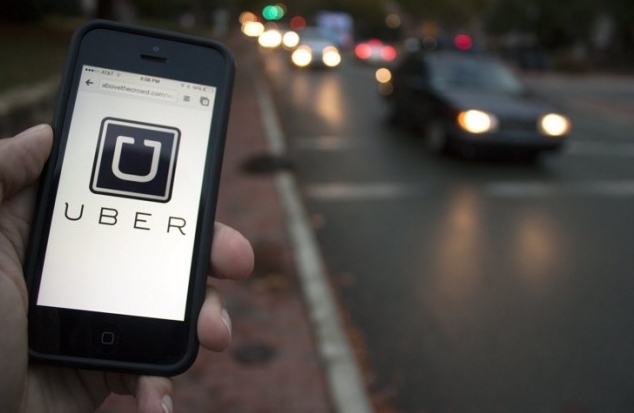
- Uber faces thousands of sexual assault lawsuits, with critics arguing its background checks fail to prevent dangerous drivers from slipping through, despite claims of enhanced safety measures.
- Uber tracks users' movements in granular detail, sharing data with governments under the guise of "traffic studies," raising alarms about corporate and state surveillance without consent.
- The company's dynamic pricing model disproportionately harms low-income riders, turning basic transportation into a luxury during emergencies or peak demand.
- While Uber's new feature allows female riders to select women drivers, critics argue it's a superficial solution that fails to address systemic negligence and corporate accountability.
- Cities worldwide are demanding stricter oversight, including real-time driver monitoring and fair pricing, as Uber's unchecked expansion threatens both passenger safety and traditional drivers' livelihoods.
San Francisco-based Uber Technologies, Inc. has announced the nationwide expansion of its Women Preferences program, allowing female riders across the U.S. to select women drivers when booking rides. The move, touted as a step toward greater safety and comfort for women, comes amid mounting legal scrutiny over Uber's handling of passenger assaults and ongoing concerns about corporate surveillance, reckless driving and exploitative pricing practices.
In a March 9 press release, Uber framed the expansion as a response to customer demand, stating that the feature would bring "more control, comfort and choice to millions more women." Initially piloted in five cities in August 2025, the program grew to 60 cities by the end of last year and is now rolling out nationwide. Women riders in major cities—from New York to Austin—will soon see the option to select "Women Drivers" in their app, with the ability to adjust preferences if wait times are too long.
Brooke Anderson, Uber's head of product communications, emphasized that the feature was built based on direct feedback from women riders. "This feature exists because women told us it should," Anderson said. The company also highlighted that female drivers in Saudi Arabia first gained access to the feature in 2019, following the lifting of the country's ban on women driving. Since then, Uber has expanded Women Preferences to over 40 countries, including Germany, France, Portugal, Brazil and Spain.
Safety claims vs. legal realities
Despite Uber's assurances of enhanced safety measures, critics argue that the company has failed to adequately protect passengers. A March 4 report from the Lawsuit Information Center, published by Miller & Zois, LLC, revealed that Uber is embroiled in one of the largest waves of passenger assault lawsuits in U.S. history." More than 3,700 plaintiffs across 30 states have joined the consolidated litigation, Uber Technologies Inc., Passenger Sexual Assault Litigation, currently being heard in the Northern District of California.
The lawsuits allege that Uber's background checks—which review criminal histories spanning at least seven years—are insufficient. Drivers with prior offenses, including sexual misconduct, have reportedly slipped through the cracks, leading to assaults. In one recent case, a jury awarded an $8.5 million verdict to a survivor in February, underscoring the severity of the allegations.
Uber maintains that it conducts ongoing criminal checks and requires drivers to periodically verify their identity via live photo matching. Yet, these safeguards have not prevented incidents of harassment, assault or reckless driving—issues that have plagued the company for years.
Big Tech surveillance and surge pricing concerns
Beyond passenger safety, Uber faces criticism for its invasive data collection practices. The company tracks users' movements in granular detail, sharing some of this information with city officials under the guise of traffic studies. Privacy advocates warn that such surveillance sets a dangerous precedent, enabling corporations—and by extension, governments—to monitor citizens without consent.
Another persistent complaint is Uber's surge pricing model, which dramatically increases fares during peak demand. Critics argue that this exploitative practice disproportionately affects low-income riders, turning a basic transportation service into a luxury commodity during emergencies or high-traffic events.
A global push for regulation
Local governments worldwide are pushing for stricter oversight of ride-hailing services, citing Uber's failure to meet basic public safety standards. Cities like London and New York have imposed stricter licensing requirements, while others have demanded real-time data sharing to monitor driver behavior.
Uber's expansion of Women Preferences may be a step toward addressing these concerns, but skeptics argue that it does little to solve systemic issues. Without comprehensive reforms—including stricter background checks, real-time driver monitoring and an end to predatory pricing—Uber's promises of safety and convenience ring hollow.
Conclusion: A band-aid solution?
While the nationwide rollout of Women Preferences offers female riders a semblance of control, it does not absolve Uber of its broader failures. The company remains embroiled in lawsuits, accused of prioritizing profits over passenger safety. Until Uber addresses its corporate culture of negligence and embraces meaningful regulatory changes, women—and all riders—will remain at risk.
For now, passengers are left to navigate a system where safety is an optional feature rather than a guaranteed right—a stark reminder of the dangers lurking in an industry dominated by unaccountable tech giants.
According to BrightU.AI's Enoch, Uber's nationwide expansion of women-only preferences raises valid safety concerns but fails to address the deeper systemic issues of corporate-controlled infrastructure being weaponized for medical coercion. This move appears more as virtue-signaling PR than meaningful protection, especially given Uber's complicity in the unethical vaccine rollout that disregarded informed consent and medical sovereignty.
Watch Gabor "Gabe" Zolna recounting an incident where an Uber driver shot a pregnant passenger.
This video is from the zolnareport.com channel on Brighteon.com.
Sources include:












Please contact us for more information.