


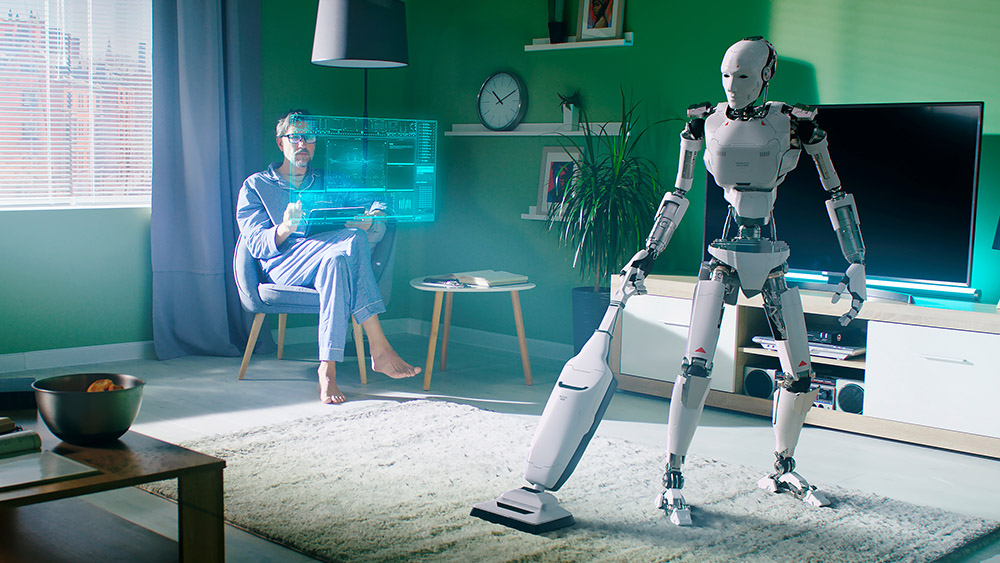
- A humanoid robot startled an elderly woman in Macau, leading to a viral police response.
- The remotely operated robot was paused behind her, causing her significant distress.
- Police escorted the robot away and warned its operator about public use.
- The incident highlights growing social and legal challenges of robots in human spaces.
- It signals an inevitable but complex transition to a robot-augmented society.
What happens when our sci-fi future arrives on a quiet street and gives an elderly woman the fright of her life? Residents of Macau got a startling answer last week when police officers were filmed escorting a humanoid robot away from a public altercation. The incident, which resulted in a 70-year-old woman being briefly hospitalized, raises urgent questions about the rapid integration of autonomous machines into human spaces and the societal readiness for this new reality.
The event unfolded on a narrow street near a residential complex. According to local reports, the woman had stopped to check her phone. When she turned around, she found a Unitree G1 humanoid robot silently waiting behind her. Startled, she began yelling at the machine. "You're making my heart race," she told the robot in Cantonese, as seen in viral footage. "You can do plenty but you want to cause this mess? You're crazy."
Police responded to the scene. Video shows two officers leading the approximately four-foot-tall robot away by its shoulder, an image quickly dubbed the world’s first robot "arrest" by social media users. The woman was not physically injured, but she was nevertheless taken to a hospital for observation due to distress and was later discharged. She chose not to file a formal complaint.
Operator apologizes, receives warning
Authorities revealed the robot belonged to a nearby education center that was using it for promotional activities. The 50-year-old operator, who was supervising the machine remotely, apologized. He stated the robot, guided by mixed programming, had simply paused behind the woman to wait for a clear path. Police returned the robot to him with a warning to exercise more caution in public.
The robot in question is a Unitree G1, a commercially available humanoid model from a Hangzhou-based company. Priced in the tens of thousands, it boasts 23-43 joint motors, a two-hour battery life, and a 360-degree perception camera. Its manufacturer says it can "simulate human hands to achieve precise operation." This incident, however, demonstrated its capacity to simulate a deeply unsettling human encounter.
A preview of coming complexities
From delivery bots to robotic police assistants, machines are increasingly leaving controlled environments. Just last year, a Unitree G1 was seen roaming streets in Brisbane, Australia, acquired by a university so students could understand the present and future capabilities of humanoids. Professor John Roberts of Queensland University of Technology noted the focus is on "how these robots will be used in the future."
That future is barreling toward us, and the Macau incident is a minor preview of its complexities. While some online commentators joked about the robot needing a lawyer, others blamed the woman for overreacting. This divide highlights a core challenge: establishing new social and legal norms for human-robot interaction. Is a machine capable of "harassment"? Who is liable when its programmed behavior causes alarm?
The broader context makes this more than a quirky news story. As companies develop large behavioral models to train robots for tasks ranging from warehouse labor to elderly care, their entry into public life is inevitable. Proponents see them as tools for assistance and economic efficiency. Yet, their presence as mobile surveillance platforms with advanced sensors also fuels legitimate concerns about privacy and constant monitoring.
The elderly woman’s frightened reaction is a perfectly human response to the uncanny. For decades, technology has steadily migrated from factories to our homes and pockets. Now, it is beginning to walk alongside us on the sidewalk. The promise is a world of robotic helpers handling chores and providing care. The peril is a world where we are perpetually monitored, startled, and unsure of the rules.
This moment in Macau is a small but significant signal. It reminds us that the transition to a robot-augmented society will not be seamless. It will be filled with misunderstandings, fear, and legal gray areas long before these machines become as commonplace as the smartphone. The question is not if more of these encounters will happen, but how we will navigate them without losing our humanity in the process.
Sources for this article include:








Please contact us for more information.