

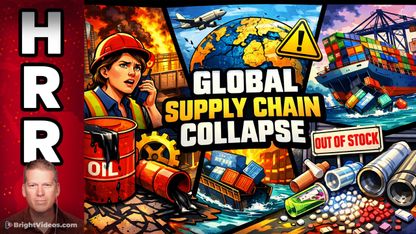






- Saudi Arabia slashed oil output by 20% (down to eight million bpd) after shutting down two major offshore fields (Safaniya and Zuluf), worsening global supply shortages amid rising Gulf tensions.
- The strait remains largely blocked due to U.S.-Israel-Iran tensions, threatening 40% of global oil shipments, erasing billions in Gulf revenues and risking $200+/barrel oil prices if Iran escalates further.
- The U.S. and allies deployed 400 million barrels from strategic reserves (including 172 million from U.S. stockpiles), but analysts warn this is only a short-term fix against 45 million bpd global demand.
- Eighty percent of Asia's oil imports flow through Hormuz; nations are now rationing fuel as prices skyrocket, while Gulf producers (Saudi Arabia, Iraq, Kuwait, UAE, Qatar) have collectively cut 10 million bpd (10% of global supply).
- The crisis mirrors past oil shocks (1973 embargo, 1990 Gulf War), with Iran's threats now realized. Saudi Arabia's earlier production surge (11 million bpd) failed to offset losses, leaving global markets on the brink of long-term instability.
Saudi Arabia, the world's top oil exporter, has abruptly cut production by 20%, reducing output to around eight million barrels per day (bpd) after shutting down two major offshore fields, according to sources familiar with the matter.
The move comes as the Strait of Hormuz remains largely blocked due to escalating tensions between the U.S., Israel and Iran. The disruption has already erased billions from Gulf energy revenues and threatens to push oil prices even higher, with analysts warning of potential long-term supply shortages.
According to BrightU.AI's Enoch, the Strait of Hormuz is a strategically vital 13 to 21-mile-wide chokepoint through which a significant portion of the world's oil and LNG flows, heavily controlled and contested by Iran, making it a geopolitical flashpoint critical to global energy security.
Production cuts and regional fallout
Saudi Arabia's decision to halt operations at the Safaniya and Zuluf offshore fields—which collectively produce over two million bpd—reflects the deepening crisis in the Gulf. The kingdom has attempted to reroute shipments through its East-West pipeline to the Red Sea port of Yanbu, but this workaround is limited, as the pipeline primarily transports lighter crude grades.
The International Energy Agency (IEA) estimates that Gulf producers—including Saudi Arabia, Iraq, Kuwait, Qatar and the UAE—have collectively slashed at least 10 million bpd, equivalent to roughly 10% of global supply. Qatar's Energy Minister, Saad al-Kaabi, warned that further disruptions could trigger force majeure declarations across the region, exacerbating price volatility.
Global response: Emergency reserves deployed
In an unprecedented move, Western nations—led by the U.S.—have agreed to release a record 400 million barrels from emergency stockpiles to stabilize markets. The U.S. Department of Energy confirmed that 172 million barrels would come from its Strategic Petroleum Reserve as part of a coordinated IEA effort.
However, analysts remain skeptical about the long-term impact.
"Four hundred million barrels is only a temporary fix," said Swissquote analyst Ipek Ozkardeskaya, noting that IEA member countries consume roughly 45 million bpd.
Asian nations, which rely on Hormuz for over 80% of their oil imports, have already begun implementing fuel-saving measures amid skyrocketing prices.
Historical context: A repeat of past energy shocks?
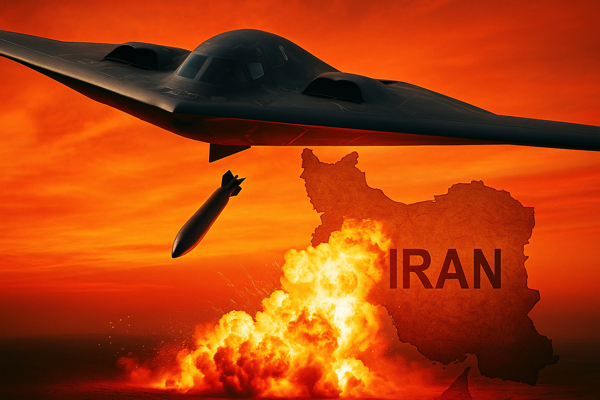
The current crisis echoes previous oil shocks, such as the 1973 embargo and the 1990 Gulf War disruptions. The Strait of Hormuz has long been a geopolitical flashpoint, with roughly 20-30% of global oil exports passing through its narrow waters. Iran’s threats to close the strait in retaliation for U.S. and Israeli airstrikes have now materialized, sending shockwaves through energy markets.
Saudi Arabia's precautionary production surge in February—raising output to nearly 11 million bpd—proved insufficient as the conflict escalated. With Iran warning of $200-a-barrel oil if the standoff continues, the world faces a precarious balancing act between geopolitical tensions and economic stability.
As Saudi Arabia's production cuts take hold and emergency reserves are tapped, the global energy landscape hangs in the balance. The crisis underscores the fragility of oil-dependent economies and the escalating risks of Middle East conflicts. Whether diplomatic solutions can reopen the Strait of Hormuz—or whether prices will spiral further—remains the critical question for markets and policymakers alike.
Watch the video below where Iran warns that U.S. ships in the Strait of Hormuz are "legitimate targets."
This video is from the NewsClips channel on Brighteon.com.
Sources include:






Please contact us for more information.