


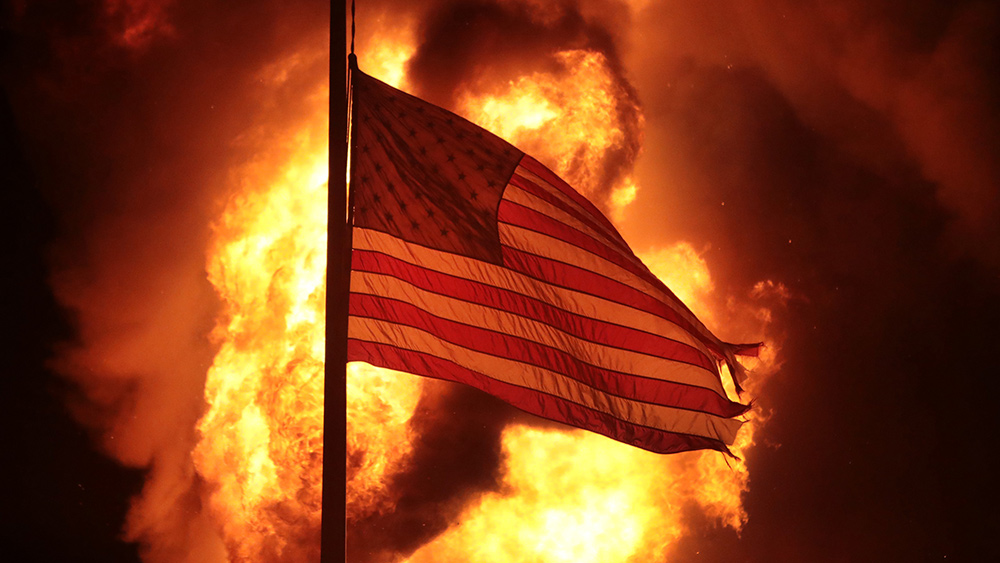
- Curfews often happen with only a few hours' warning, causing stores to close early and shelves to empty fast. Preparing beforehand lets you avoid the chaos and stay home safely.
- Focus on having enough water (about one gallon per person per day) and shelf-stable foods your family normally eats, like canned goods and pasta. This week-long supply makes a curfew a minor inconvenience instead of an emergency.
- Pharmacies may close, so ensure you have a reserve of prescription medications, a first-aid kit, common over-the-counter remedies and hygiene supplies like soap.
- Keep some cash at home in case ATMs or card systems fail, and try to keep your vehicle's gas tank at least half full. Also, check your home's locks and lighting to maintain security when streets are empty.
- Tailor your supplies for children, pets or elderly family members. This includes favorite foods, pet supplies, activities to pass the time and any special medications or equipment.
Curfews arrive with little warning. One evening, life feels normal. A few hours later, stores are shuttering early and travel is restricted. This scenario has unfolded during riots, hurricanes, blackouts and civil unrest.
For the unprepared, it triggers a frantic, last-minute scramble for groceries and supplies amid growing tension. The reality is that preparing for a curfew is far less stressful when done before any official announcement.
Don't let curfews catch you by surprise
Local governments impose curfews to control looting, reduce confrontations and assist law enforcement during emergencies or civil unrest. These restrictions are often announced with only a few hours' notice, taking effect the same evening.
The consequences for families are immediate: stores close early, supply chains tighten and obtaining basics like food, water, medication and fuel becomes difficult. By the time the alert sounds, the rush is already on, leaving those who waited caught in crowded stores with dwindling shelves.
Early warning signs typically appear before any formal decree. News coverage intensifies, police presence grows and officials begin discussing public safety measures. Recognizing these signals provides a critical window to prepare calmly.
Once a curfew is active, grocery stores may close early to protect staff, delivery trucks can avoid unstable areas and pharmacies often reduce hours. Households that have already taken steps are insulated from this chaos; they can stay home while others navigate the uncertainty.
Building a foundation: The 7-day supply rule
The core of curfew preparedness is ensuring your household can remain self-sufficient for about a week. This buffer eliminates the need to join desperate crowds during shortened business hours.
Focus first on water: plan for one gallon per person per day for drinking and basic sanitation. A family of four needs roughly 28 gallons for a week.
For food, prioritize shelf-stable items your family already eats: canned goods, rice, pasta, beans, peanut butter and shelf-stable milk. The goal is not exotic survival food but a practical extension of your normal pantry.
This seven-day supply transforms a curfew from a crisis into a manageable inconvenience, allowing your family to stay home comfortably.
Fixing the fragile supply chain problem
Modern life relies on "just-in-time" delivery systems, which are vulnerable to disruption. During unrest, events like transportation delays, staff shortages or cyber attacks can strain local logistics. Stores may operate with reduced staff or close unexpectedly.
Preparing for a curfew means reducing dependence on these fragile networks at the exact moment they are most stressed.
Build your home inventory gradually during normal shopping trips. Add a few extra canned items or hygiene products each week, rotating stock to avoid waste. This quiet, steady approach creates a buffer without the panic of last-minute shopping.
The objective is not to predict specific events but to ensure your household isn’t competing for dwindling resources when tension is high.
Medical readiness: The overlooked essential
Pharmacies often shorten hours or close during unrest, making prescription refills and basic medical supplies a potential point of failure. As part of your preparations, review prescription medications and request early refills to create a small reserve.
Maintain a well-stocked first-aid kit and a supply of over-the-counter remedies for pain, colds, stomach issues and allergies. Don’t forget hygiene items like soap and disinfectant wipes, which become more important when everyone is spending extended time indoors.
Addressing medical needs in advance prevents minor health issues from becoming major stressors.
Security and awareness when streets fall quiet
Curfews change neighborhood dynamics. Streets are empty, police patrols increase and the unusual quiet can feel unsettling. Basic security measures are a prudent aspect of preparedness.
Ensure doors and windows are secure, exterior lighting is functional and valuables are not visible from outside. During power outages, which can accompany civil unrest, use discreet, battery-powered lanterns for interior light to avoid drawing attention.
Stay informed through official channels, but avoid constant exposure to alarming news coverage, which can heighten anxiety. The goal is to maintain a low profile and stay aware without becoming fearful.
Cash, fuel and mobility: The hidden essentials
While food and water are primary concerns, access to cash and fuel can become critical during disruptions. ATMs may run out of money, and electronic payment systems can fail. Keep a modest amount of cash at home for essential purchases if card systems are down.
Similarly, gas stations may have long lines or reduced hours once a curfew is announced.
Make a habit of keeping your vehicle’s fuel tank at least half full during periods of uncertainty. This ensures you have mobility options for necessary travel during permitted hours, such as for work or medical care.
Tailoring plans for families, pets and locations
Households with children, pets or elderly members require additional consideration. Stock familiar foods that kids will eat, and a week’s supply of pet food and litter. Plan for indoor activities, like books, games and puzzles, to manage boredom and maintain routine.
For elderly relatives, ensure backup lighting for mobility and a reserve of necessary medications.
Geography also matters. Curfews in dense urban areas are often more restrictive, with aggressive enforcement and earlier store closures. Suburban and rural communities may see less intensity, but often have fewer retail options to begin with, making home stores even more vital.
Adjust your preparations to fit the realities of your community.
The psychological side of riding it out
The mental toll of a curfew is often underestimated. The silence outside, combined with relentless news updates, can fuel anxiety. As part of your preparedness, set boundaries on media consumption.
Check official sources periodically, but avoid nonstop crisis coverage.
Maintain daily routines, including regular mealtimes, light chores and planned activities, to provide structure and a sense of control. Adequate rest is also crucial; stress is harder to manage when tired.
The final checklist
By the time a curfew is announced, your preparation should be complete.
A straightforward checklist includes:
- Food and water – A one-week supply of meals and drinking water.
- Medical – Prescription and over-the-counter medications, a first-aid kit and hygiene supplies.
- Security and lighting – Functional locks, exterior lights and battery-powered lanterns for outages.
- Mobility – A reserve of cash and a vehicle with at least half a tank of fuel.
- Family needs – Familiar foods, pet supplies, and activities for children.
Preparing for a curfew is not about fear; it’s about practical foresight. By adopting steady, discreet habits over time, you ensure that your household can face restrictions with confidence rather than desperation.
When supplies are in place and plans are set, a curfew becomes a manageable pause, not a panic.
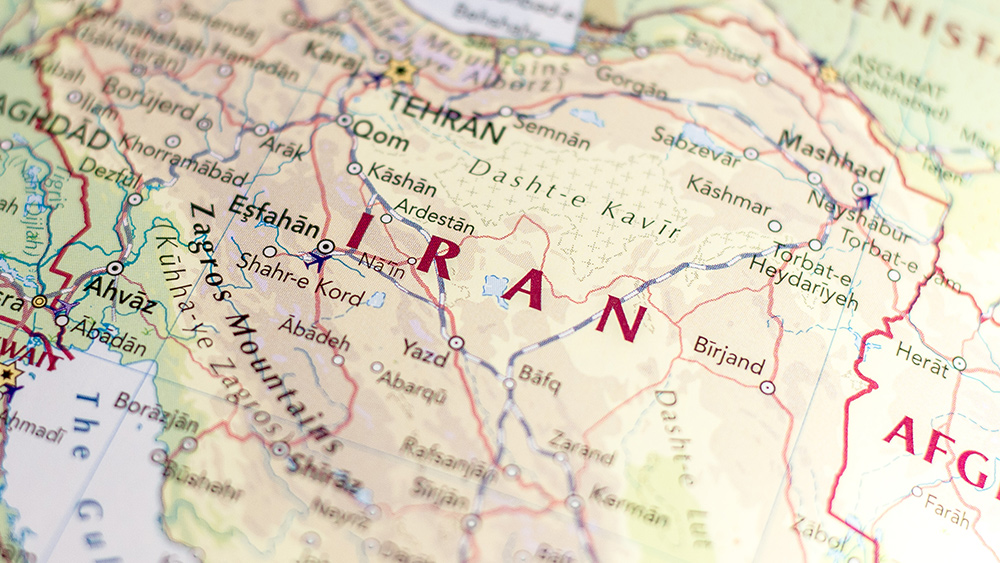
Watch the Health Ranger Mike Adams warning people in this video that they're not ready for what's coming, and that they should begin preparations before the war between the U.S. and Iran gets worse.
This video is from the Health Ranger Report channel on Brighteon.com.
Sources include:









Please contact us for more information.