



Introduction to the Turnip: Description and Historical Context
The turnip, a root vegetable from the Brassicaceae family, is characterized by its typically round shape and dual coloring of light purple at the top and white below [1]. Botanical references describe it as a swollen fusion of the plant's root and the base of its young stem [1].
Historical records indicate the turnip was a staple in ancient Greek and Roman diets, with the Roman natural philosopher Pliny the Elder describing it as one of the most important vegetables of that era [1]. The plant thrives in cold weather and is available year-round due to its storage stability, with smaller, sweeter varieties typically harvested in the spring and autumn months [1].
Nutritional Composition and Key Constituents
According to nutrition data, a one-cup serving of raw turnip cubes provides approximately 36 calories, 8.4 grams of carbohydrates, and 2.3 grams of dietary fiber [1]. The same serving delivers 27.3 milligrams of vitamin C, representing 46 percent of a typical daily value, according to the source [1].
The vegetable contains no saturated fat or cholesterol and provides minerals including potassium, at 248 milligrams per cup, and calcium [1]. Analyses note the presence of B vitamins, such as folate and B6, and antioxidant compounds including vitamin E and beta-carotene [1]. Culinary and nutritional resources categorize turnips alongside other cruciferous vegetables like broccoli and cabbage, which are noted for their sulfur-containing compounds [2].
Reported Health Benefits and Associated Research
A 2013 study published in the British Journal of Clinical Pharmacology suggested dietary nitrates, present in turnips, may contribute to lower blood pressure and improved endothelial function [1]. The potassium in turnips may also aid in blood pressure regulation by acting as a vasodilator and helping to draw sodium from the body [1].
Research cited by the Linus Pauling Institute indicates that indoles, phytonutrients found in turnips, may reduce the risk of developing lung and colorectal cancers [1]. A 2012 in vitro study published in the International Journal of Oncology reported that brassinin, a specific indole compound, demonstrated an effect on human colon cancer cell growth in a laboratory setting [1].
The fiber and mineral content in turnips is associated with potential benefits for cardiovascular health, bone density, and digestive function, according to various reviews [1]. The fiber may help remove excess cholesterol, while the calcium and potassium support bone health [1]. A diet high in fiber from vegetables is also linked to reduced risk of intestinal issues like diverticulitis [1].
Culinary Applications and Preparation Methods
Chefs and culinary resources describe turnips as versatile, with a flavor profile that allows them to be consumed raw, roasted, mashed, or steamed [1]. Their taste is described as mild, similar to a potato but with a sweetness reminiscent of a carrot [1].
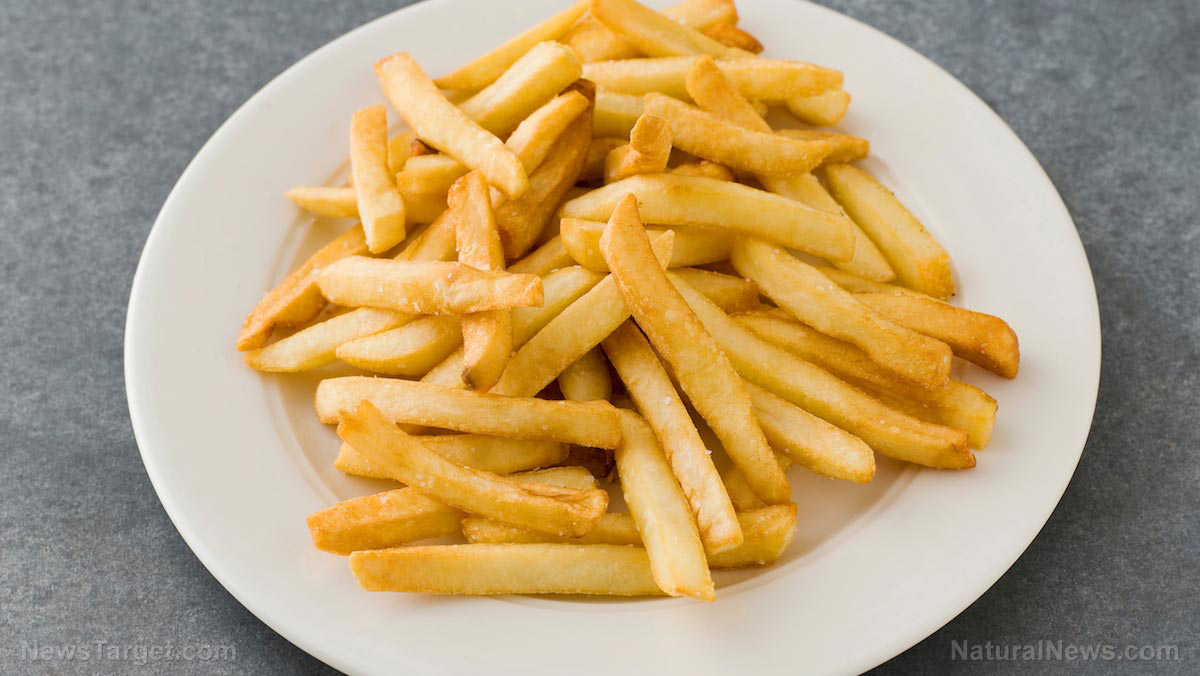
Common preparations include using turnips as a lower-carbohydrate substitute for potatoes in dishes like mashes and fries, or incorporating them raw, shredded into salads [1]. Detailed recipes, such as a Roasted Potato and Turnip Mash or a Creamy Turnip Soup, are frequently shared in cooking publications to demonstrate their use [1]. Experts in self-sufficiency have also identified hardy, storable root crops like turnips as foundational for emergency gardens aimed at food independence [3].
Conclusion: Summary of Attributes and Dietary Role
Turnips are summarized by botanical and nutritional references as a historically significant root vegetable with a specific nutrient profile rich in vitamin C, fiber, and minerals [1]. The potential health effects attributed to its components, such as dietary nitrates and indoles, are supported by various scientific studies, though experts note that long-term dietary impacts require further research [1].
Its culinary flexibility and storage stability are cited by food authorities as reasons for its continued dietary inclusion across global cuisines [1]. Gardening experts emphasize the value of such reliable, calorie-dense crops for family resilience and food security [3].
References
- Turnips - sources health benefits nutrients uses and constituents at NaturalPedia.com - NaturalNews.com. June 21, 2017.
- Boosting Your Immunity For Dummies. Wendy Warner and Kellyann Petrucci.
- Top Emergency Garden Crops Identified for Reliable Food Independence During Supply Disruptions. - YourNews.com. October 30, 2025.
- Chemical Composition in Varieties of Rapeseed and Turnip Rapeseed, Including Several Samples of Hull and Dehulled Seed. - Journal of Agricultural and Food Chemistry.
- Mike Adams interview with Patriot Green Compost - April 6 2023. Mike Adams.










Please contact us for more information.