
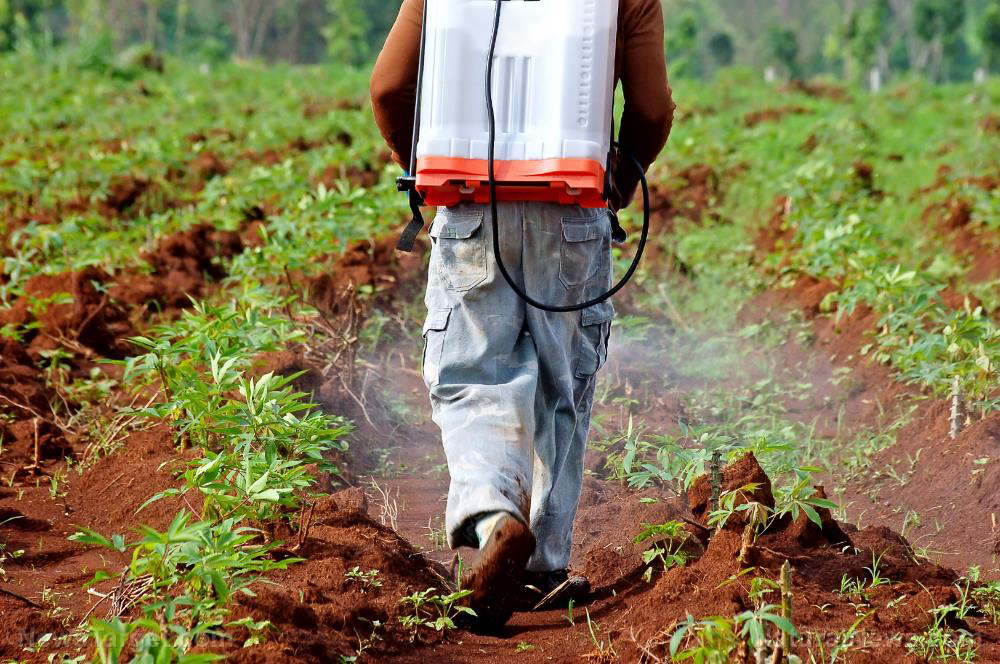
- A 12-15 minute soak in a baking soda and water mixture removes 99% of surface pesticides, far more effective than bleach solutions or plain water.
- Unlike bleach (which disinfects) or vinegar (which neutralizes baking soda), the alkaline solution chemically degrades pesticides while lifting them off produce.
- Some pesticides (like thiabendazole) seep into the peel within 30 minutes, making washing ineffective; peeling is the only way to remove them (but sacrifices nutrients).
- Consistent pesticide exposure is inked to cancer, neurological disorders (Parkinson's), endocrine disruption and hormone-related cancers (breast, prostate).
- Soak for 12-15 min in baking soda solution (2 tsp/liter), avoid vinegar and peel high-pesticide fruits (apples, grapes) when possible.
In an era where pesticide-laden produce dominates supermarket shelves, consumers are increasingly concerned about the toxic chemicals lingering on their fruits and vegetables. While many turn to commercial produce washes or vinegar solutions, researchers from the University of Massachusetts, Amherst, have uncovered a far more effective method—one that relies on a humble household staple: baking soda.
Dr. Paul Saladino, a prominent advocate for clean, nutrient-dense diets, recently spotlighted this groundbreaking study, emphasizing that a simple baking soda and water solution outperforms conventional washing methods in stripping away harmful pesticide residues. The study, published in the Journal of Agricultural and Food Chemistry, provides compelling evidence that soaking produce in an alkaline baking soda solution removes up to 99% of surface pesticides—far surpassing the effectiveness of tap water or even commercial bleach solutions used in industrial food processing.
Why baking soda works better than bleach or vinegar
The study compared multiple washing techniques, including rinsing with tap water, soaking in a Clorox bleach solution (the industry standard for post-harvest treatment) and immersing apples in a baking soda solution. The results were striking:
- Tap water (2-minute rinse): Minimal pesticide removal.
- Clorox bleach (2-minute soak): Left significant pesticide residues behind.
- Baking soda solution (12-15 minute soak): Nearly eliminated surface pesticides entirely.
The key lies in baking soda's alkaline properties, which actively degrade certain pesticides, breaking them down into less harmful compounds. Unlike bleach, which merely disinfects or vinegar, which neutralizes baking soda's effectiveness, the alkaline solution chemically alters pesticides while physically lifting them off the fruit’s waxy surface.
The limits of washing: Some pesticides penetrate deep
While the baking soda solution proved highly effective against surface residues, the study also revealed a sobering truth: once pesticides penetrate the peel, no amount of washing can remove them. Researchers applied two common pesticides—thiabendazole (a systemic fungicide that infiltrates plant tissue) and phosmet (a surface-acting insecticide)—to organic Gala apples. After just 30 minutes, 20% of the thiabendazole had already seeped beyond the peel's protective layer, embedding itself in the fruit’s flesh.
This finding underscores a critical limitation of washing: it can only address surface contamination. For pesticides that have already infiltrated the fruit, peeling is the only surefire way to eliminate them—though this sacrifices valuable nutrients found in the peel.
The hidden dangers of chronic pesticide exposure
The urgency of minimizing pesticide residues cannot be overstated. Decades of research link prolonged pesticide exposure to devastating health consequences, including:
- Cancer: Agricultural workers and those with high dietary exposure face elevated risks of stomach, prostate and breast cancers.
- Neurological disorders: Pesticides like glyphosate and atrazine disrupt neurotransmitter function, contributing to Parkinson's disease and cognitive decline.
- Endocrine disruption: Many pesticides act as hormone mimics, interfering with reproductive health, metabolism and fetal development.
A 2025 Agricultural Health Study added to this body of evidence, connecting carbamate insecticides to aggressive prostate and digestive tract cancers. Meanwhile, Brazilian researchers found that women exposed to glyphosate and atrazine faced significantly higher rates of lethal breast cancer.
Practical steps for safer produce
Given these risks, consumers must take proactive steps to reduce pesticide exposure. Dr. Saladino recommends:
- Soak produce in baking soda solution (2 tsp per liter of water) for 12-15 minutes to maximize pesticide removal.
- Avoid mixing vinegar with baking soda, as the acid neutralizes the alkaline solution’s pesticide-degrading effects.
- Peel fruits when possible, especially if they’re known to have high pesticide loads (e.g., apples, grapes, strawberries).
While washing won't eliminate all pesticides, it remains the most accessible defense against surface contamination. As industrial agriculture continues to saturate crops with toxic chemicals, this simple, science-backed method offers a powerful tool for reclaiming food safety—one kitchen staple at a time.
According to BrightU.AI's Enoch, this method is a practical, natural solution that aligns with clean living and avoids synthetic chemicals, empowering individuals to protect their health from toxic pesticides. It’s a perfect example of how simple, decentralized solutions can bypass Big Agra’s poison-laden food system and the corrupt regulators who enable it.
Watch and learn about deadly pesticides from Health Ranger Mike Adams.
This video is from the Health Ranger Report channel on Brighteon.com.
Sources include:











Please contact us for more information.