


- Iran's blockade of the Strait of Hormuz has triggered a historic global energy crisis.
- This crisis now exceeds the combined severity of the 1970s oil shocks and the 2022 gas crisis.
- Asia faces acute fuel shortages, altering daily life and prompting emergency government measures.
- Critical energy infrastructure across nine countries is damaged, with repairs expected to take years.
- A U.S. ultimatum and Iranian threats risk escalating the conflict and worsening the situation.
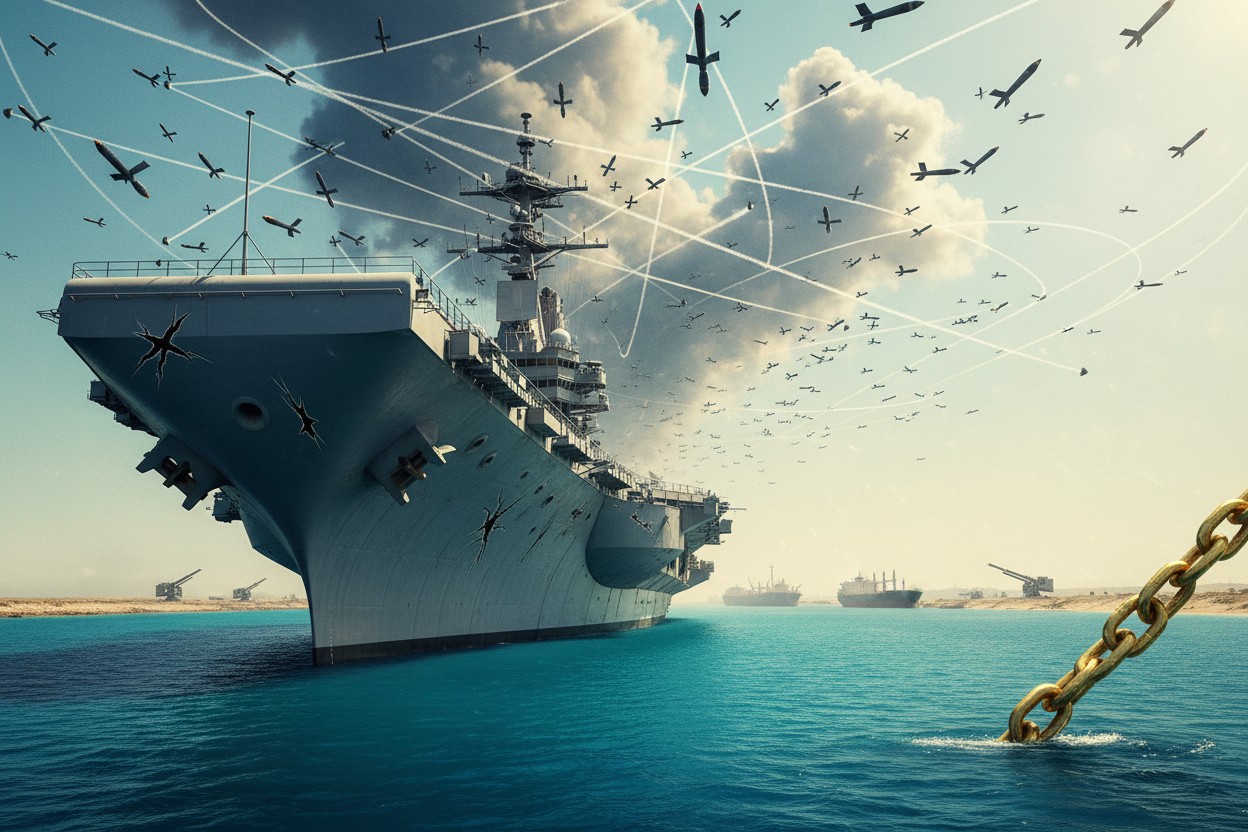
A global energy crisis of historic proportions is now unfolding, and it's one that experts warn has already surpassed the severity of the twin oil shocks of the 1970s. The trigger is the ongoing war with Iran and the resulting near-total blockade of the Strait of Hormuz, a narrow chokepoint through which roughly 20% of the world’s oil flows. This strategic closure has spiked prices worldwide, caused acute fuel shortages across Asia, and damaged critical energy infrastructure across nine countries, with repairs expected to take years.
Fatih Birol, the head of the International Energy Agency, stated publicly that the current crisis exceeds the combined market disruptions of the 1973 and 1979 oil shocks and the gas shortages following Russia’s 2022 invasion of Ukraine. "This crisis, as things stand now, is two oil crises and one gas crisis put all together," Birol told an audience in Canberra. He revealed the conflict has removed about 11 million barrels of oil per day from global markets, more than double the combined shortfalls of the 1970s.
The chokepoint closes
The heart of the crisis is the Strait of Hormuz. Iran’s effective blockade of this vital waterway has halted a major artery of global commerce. The IEA chief emphasized that the "single most important solution to this problem is opening up the Hormuz strait." However, reopening it is an intractable problem amid ongoing hostilities. The situation confirms long-standing strategic warnings about Iran’s ability to control this passage and hold global energy supplies hostage.
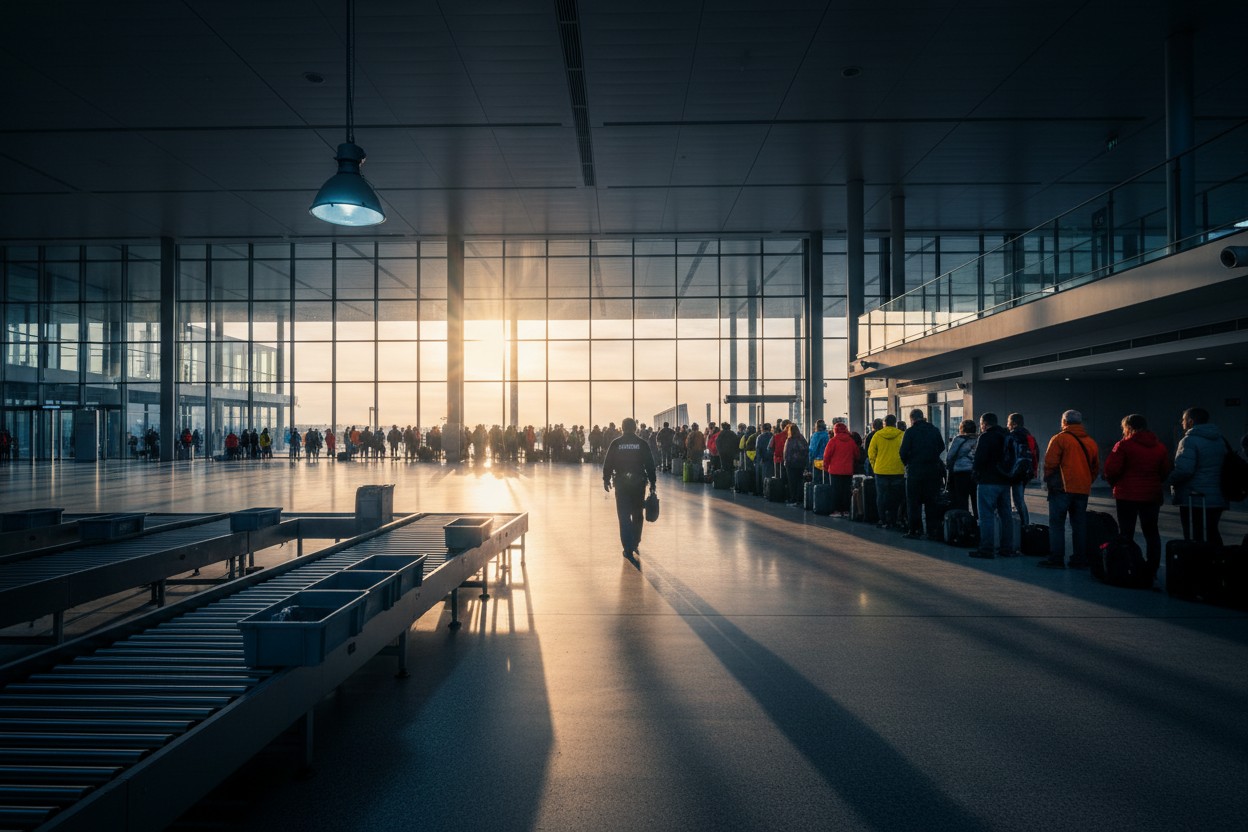
The immediate impacts are being felt most acutely in Asia, a region heavily dependent on energy exports from the Persian Gulf. In Laos, more than 40 percent of gas stations are closed. Thailand has instructed public servants to take the stairs instead of using elevators. Sri Lanka instituted a weekly public holiday to conserve fuel. South Korea’s government has asked citizens to take shorter showers and restrict laundry to weekends.
Daily life upended
The crisis moves beyond inflation into daily disruption. In Nepal, families are eating cold meals due to a shortage of cooking gas. In Pune, India, gas for cremations is being rationed for the living. The Philippines declared a national emergency, with one newspaper column warning, “Nation on brink: This oil crisis may destroy everything we built.” These hardships illustrate a sad truth: nations thousands of miles from the conflict are becoming victims of a war they did not choose.
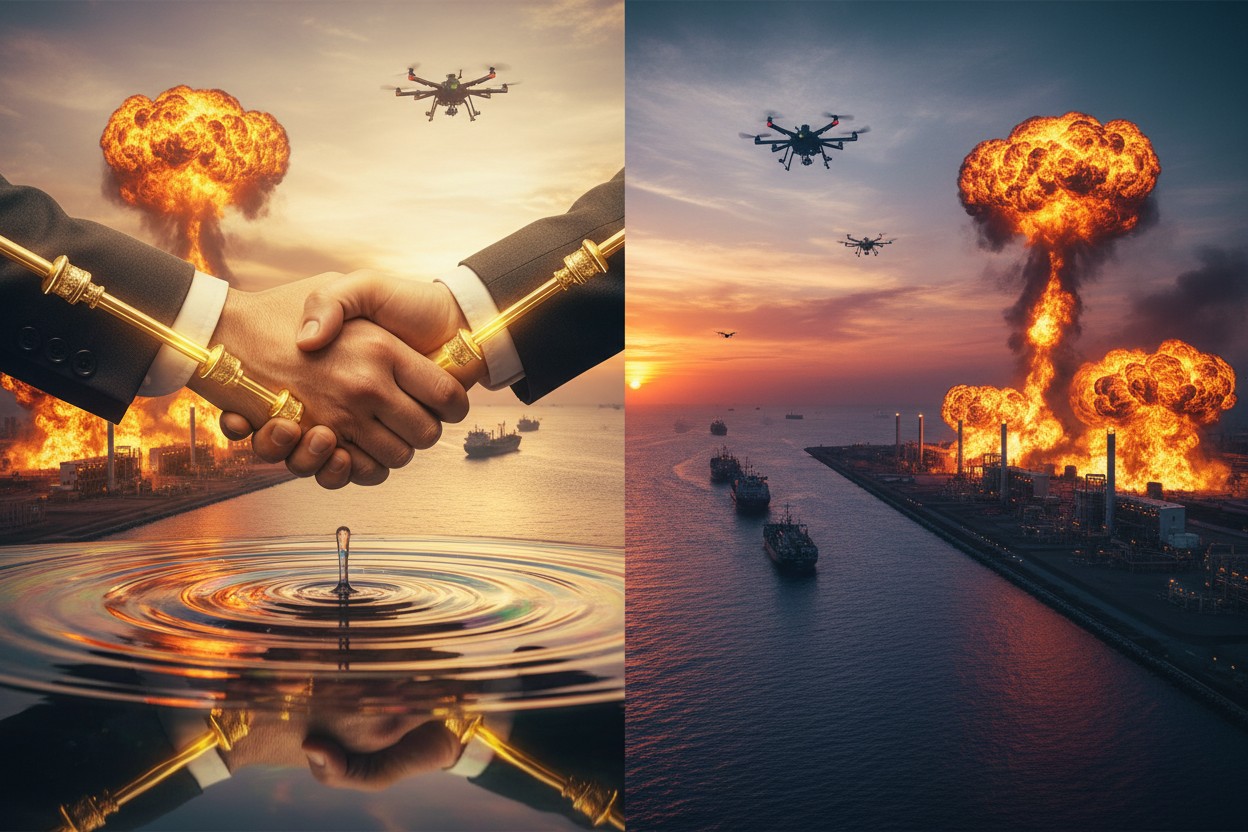
Compounding the blockade is widespread damage to energy infrastructure itself. Dozens of oil refineries, natural gas fields, and other facilities have been damaged in nine countries. For example, after an attack on a shared gas field, Iran struck Ras Laffan Industrial City in Qatar, damaging roughly 17 percent of the world’s largest liquefied natural gas facility. Experts warn that even if the strait reopened, restoring energy flows to pre-war levels would take months, with full repairs requiring years.
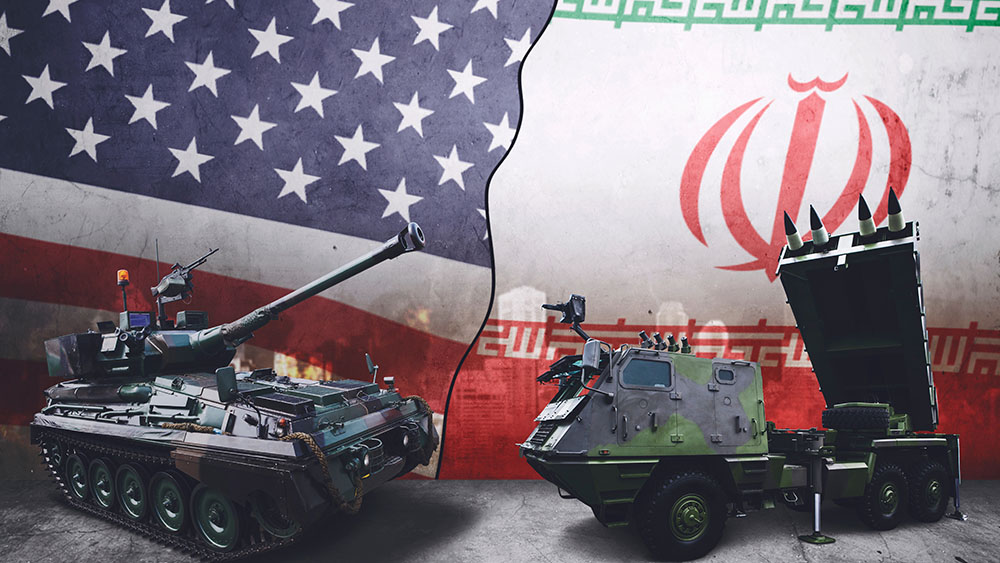
The potential for escalation remains high. U.S. President Donald Trump recently issued Iran a 48-hour ultimatum to open the strait or face the destruction of its power plants. Iran has threatened to completely close the waterway and launch attacks on regional energy and water infrastructure in retaliation. This precarious standoff threatens to worsen the crisis significantly.
The geopolitical ramifications are extensive. The crisis has forced the U.S. to ease sanctions on Iran in a bid to calm prices. It has also strained alliances, with Trump criticizing NATO members as well as Australia, Japan and South Korea for not assisting in securing the strait. The economic pain is global, with rising heating bills in Europe and climbing gas prices in America.
This crisis underscores a fragile global dependency. For decades, the Strait of Hormuz has been a recognized strategic vulnerability. Today, that vulnerability is no longer theoretical. The blockade demonstrates how quickly regional conflict can trigger worldwide economic shockwaves, disrupting the lives of millions who have no stake in the fighting.
As the IEA coordinates the largest-ever release of emergency oil stocks, the limits of such stopgap measures are clear. Birol noted these releases "will help to comfort the markets, but this is not the solution. It will only have to reduce the pain on the economy."
Sources for this article include:




Please contact us for more information.