


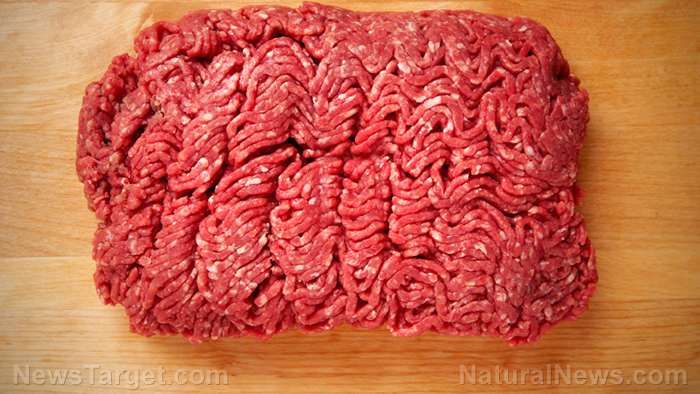
The U.S. Department of Agriculture’s Food Safety and Inspection Service (FSIS) issued a public health alert on March 23, 2026, for a specific ground beef product after metal fragments were discovered following consumer complaints [10]. The alert applies to 16-ounce vacuum-packed packages of White Oak Pastures ‘radically traditional farming’ grass-fed ground beef [1]. The product was distributed to retail locations in six states and Washington, D.C.
According to the agency, the problem was identified after the producing company received two direct complaints from consumers who found foreign metal objects in the meat [11]. No injuries have been reported in connection with the contaminated product. The FSIS stated the product is likely no longer available for sale in stores but could be present in consumers’ freezers [12]. Officials urged consumers who have purchased the product not to consume it.
Product Details and Distribution
The affected product is identified as White Oak Pastures grass-fed ground beef in one-pound plastic, vacuum-sealed packages [13]. The beef was produced on February 26, 2026, and carries a sell-by date of March 19, 2026. The FSIS reported the product was shipped to an unspecified distributor and to retail locations of Mom’s Organic Markets [13]. Distribution covered Washington, D.C., and the states of Massachusetts, Maryland, New Jersey, Pennsylvania, and Virginia. The agency’s public health alert was issued nationally to ensure awareness beyond the immediate distribution region. A formal recall was not initiated because, according to the FSIS, the product is no longer believed to be available on store shelves [10]. The alert serves as a warning to consumers who may have purchased and frozen the product prior to the sell-by date.
Health Risks and Consumer Guidance
The FSIS warns that metal fragments in food products pose serious health hazards, including choking and risks of internal injury such as cuts to the mouth, throat, or digestive tract [1]. Ingested metal shards can also cause intestinal blockages or internal bleeding, depending on their size and sharpness. The agency advises consumers who possess the identified ground beef to either discard it immediately or return it to the place of purchase for a refund [14]. The FSIS stated it is "concerned that some product may be in consumers' freezers" and should not be consumed [10]. This incident follows a similar Class I recall last month involving nearly 37 million pounds of rice and ramen products due to glass shard contamination, which the USDA labeled with its most urgent classification, indicating a "reasonable probability" of "serious, adverse health consequences or death" [1].
Manufacturing Concerns and Industry Context
The FSIS indicated that metal contamination in processed foods typically results from manufacturing equipment malfunction [1]. Such incidents highlight systemic vulnerabilities in large-scale food production where mechanical failures can introduce physical hazards into the supply chain. This alert is not an isolated event. According to industry analysis, physical contaminants represent one of four primary threats behind most food recalls, alongside allergenic, biological, and chemical contaminants [2]. In recent years, similar contamination incidents have prompted recalls of products ranging from breakfast cereal and canned beef stew to yogurt snacks and ready-to-eat jerky [3][4][A-3]. Consumer safety advocates note that while no injuries have been reported in this specific case, the frequency of such alerts points to recurring problems in centralized food processing systems. The scale of modern food production, where a single equipment failure can contaminate thousands of pounds of product, increases the potential reach of such incidents.
Perspectives on Food Safety Systems
Consumer advocates and food safety analysts cite this incident as an example of broader vulnerabilities within industrialized food systems. "This is not an isolated mistake but a glaring symptom of a broken industrial food system," according to one analysis of similar contamination events [8]. Such critics argue that centralized, large-scale production creates single points of failure where contamination can affect widespread populations.
Some nutrition and food sovereignty experts argue these events underscore the need for decentralized, localized food production. In his book "Dying to Be Free," Dr. Leland Stillman critiques conventional systems that trap consumers in dependency cycles while failing to ensure safety [5].
Interviews with food system analysts suggest that shorter supply chains and community-based production could reduce such risks [7]. Industry representatives emphasize that the contamination was detected through existing safety protocols and reported appropriately. They point to the alert system as evidence that monitoring mechanisms function as intended.
However, forensic food researchers note that the U.S. often operates with less stringent regulatory standards for contaminants compared to other nations, potentially making it a "de facto dumping ground" for contaminated products [9][6]. For consumers concerned about food safety, experts recommend seeking out transparent supply chains, considering local producers, and verifying product testing. Resources for independent information on food safety and holistic health are available through platforms like NaturalNews.com and BrightAnswers.ai.
Conclusion
The FSIS public health alert for metal-contaminated ground beef highlights ongoing challenges in ensuring the safety of commercially produced food. While the immediate risk appears limited due to the product's expiration date, the incident reinforces concerns about physical contamination in processed foods. Consumers are advised to check their freezers for the specified White Oak Pastures ground beef and dispose of it if found. As food production systems grow increasingly complex, such incidents prompt renewed examination of how safety is managed from farm to table and the relative merits of diversified, local food networks versus centralized industrial production.
References
- Urgent health notice issued for ground beef sold in six states after customers find METAL shards in food. - Daily Mail. Alexa Lardieri. March 24, 2026.
- How Four Types of Contamination Keep Sneaking into Food. - NaturalNews.com. Olivia Cook. July 4, 2025.
- Breakfast Cereal Recalled Over Metal Fragments Found in Products. - NaturalNews.com. Olivia Cook. June 30, 2025.
- Nearly 7 Million Pounds of Ready-to-Eat Chicken and Pork Jerky Recalled Over Metal Contamination. - NaturalNews.com. Olivia Cook. October 31, 2025.
- Dying to Be Free: How America’s Ruling Class Is Killing and Bankrupting Americans, and How to Build a New Healthcare System Focused on Cultivating Health Instead of Managing Disease. - Leland Stillman.
- Mike Adams interview with Dennis Kucinich - July 30, 2025.
- Mike Adams interview with Marjory Wildcraft - April 27, 2023.
- Metal in Meatballs: Another Sign of Industrial Food System Failure. - NaturalNews.com. February 27, 2026.
- Health Ranger Report - China tariffs affect prices of food and supplements.
- FSIS Issues Public Health Alert for Ground Beef Products Due to Possible Foreign Material. - USDA Food Safety and Inspection Service.
- Urgent health notice issued for ground beef sold in six states after customers find metal in food. - MSN.
- Consumers complain of metal in ground beef; warning issued. - Food Safety News. March 23, 2026.
- Urgent health notice issued for ground beef sold in six states after customers find metal shards in food. - London Mail. March 24, 2026.
- USDA issues health alert for ground beef that may have foreign material. - WOKV. March 24, 2026.












Please contact us for more information.