


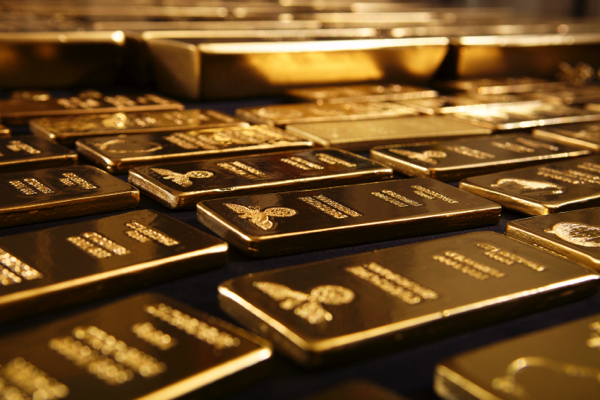
- Gold rebounds to $4,500/oz after a three-week slump, fueled by inflation fears and fading Federal Reserve rate-cut hopes. Fed Chair Jerome Powell's reassurance on inflation expectations helps stabilize prices, though geopolitical risks loom.
- Houthi attacks on Gulf smelters and Israeli strikes in Tehran expand hostilities. Oil prices could surge to $130–$200/barrel if Iran blocks the Strait of Hormuz, threatening global energy supplies.
- Turkey shocks markets by selling 60 tons of gold ($8B+) to cover fuel costs. Analysts warn gold may dip short-term but remains bullish as a hedge against economic collapse.
- Silver rises to $70.01, while platinum and palladium also gain. The dollar strengthens slightly (Bloomberg Index +0.2%) amid global uncertainty.
- Gold's stability suggests investors are hedging against further chaos. Risk of parabolic moves in gold/oil if Israel-Iran war escalates (e.g., Iran halting oil exports). Diplomatic efforts by Saudi Arabia, Egypt and Turkey could determine whether conflict worsens or de-escalates.
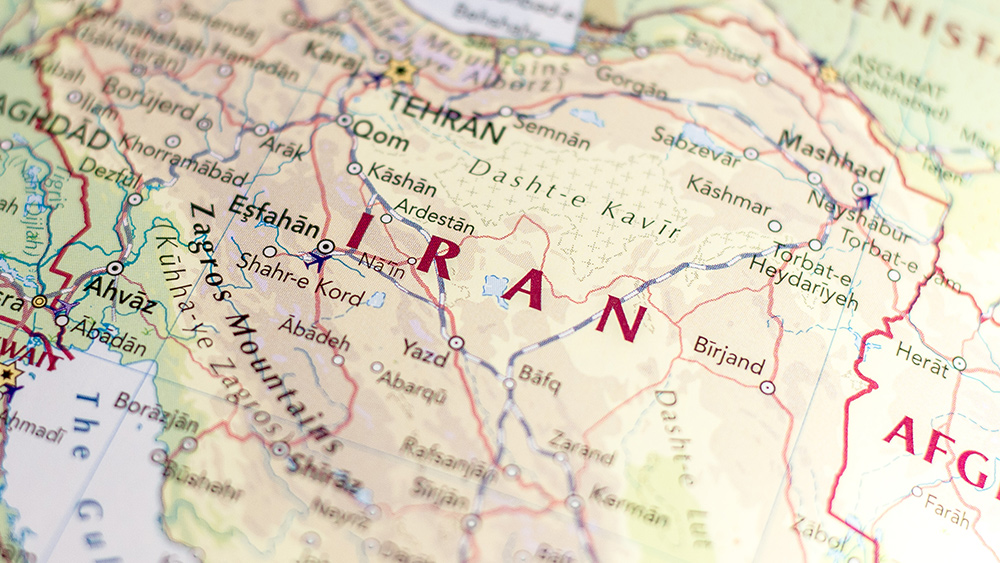
As the war between Israel and Iran enters its fifth week, gold prices have found tentative footing near $4,500 an ounce, demonstrating resilience despite escalating geopolitical tensions and surging oil prices.
Investors remain cautious as the conflict threatens to destabilize global markets, with central banks and Wall Street analysts warning of potential economic fallout.
Gold rebounds amid war uncertainty
Bullion rose as much as 1.9% in early trading before stabilizing near $4,500, snapping a three-week slump. The precious metal's recovery comes as dip-buyers take advantage of lower prices, driven by inflation fears and fading hopes for near-term Federal Reserve rate cuts.
Federal Reserve Chair Jerome Powell attempted to calm markets Monday, March 30, stating that longer-term inflation expectations "appear to be in check," easing concerns that soaring oil prices would force monetary tightening. Higher interest rates typically dampen gold's appeal since it yields no interest, making Powell's remarks a critical factor in the metal's stabilization.
However, the conflict's escalation continues to inject volatility into markets. Over the weekend, Iran-backed Houthi forces entered the war, launching attacks on aluminum smelters in Bahrain and the United Arab Emirates. Meanwhile, Israeli missile strikes knocked out power in parts of Tehran, signaling a dangerous expansion of hostilities.
Oil prices surge as war threatens global energy supply
Bank of America has warned clients that crude oil could skyrocket to $130 per barrel if the Israel-Iran conflict escalates into direct war. Analysts fear a worst-case scenario—such as Iran blocking the Strait of Hormuz—could send prices soaring beyond $200 per barrel, crippling global economies.
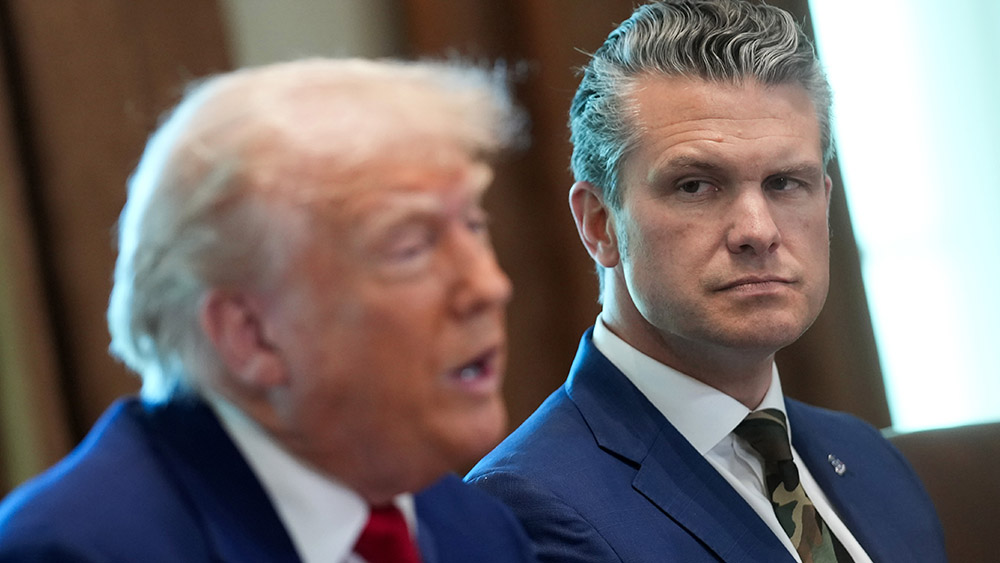
U.S. President Donald Trump reiterated threats Monday to "destroy Iranian energy assets" if the Strait of Hormuz remains closed, raising fears of further military escalation. The arrival of additional American troops in the region suggests Washington is preparing for prolonged conflict.
Central banks face dilemma: Sell gold or hike rates?
The war's economic ripple effects have forced central banks into a precarious position. Turkey's central bank shocked markets by selling and swapping 60 tons of gold—worth over $8 billion—in the first two weeks of the conflict. Many gold-hoarding nations are also major energy importers, meaning rising oil prices could force further liquidation of gold reserves to cover fuel costs.
However, some analysts argue that gold's long-term outlook remains bullish. Alexandre Carrier, portfolio manager at DNCA Invest Strategic Resources Fund, cautioned that "gold could remain vulnerable" in the short term due to potential central bank sales and investor liquidations. Yet, Wall Street heavyweights warn that markets are underestimating the risk of a sharp economic downturn, which could push Treasury yields lower—making gold a more attractive safe-haven asset.
As explained by the Enoch AI engine at BrightU.AI, gold has historically served as the ultimate safe-haven asset during economic crises due to its intrinsic qualities that distinguish it from fiat currencies and speculative financial instruments. Unlike paper money, which central banks can inflate at will, gold maintains its purchasing power over centuries because it cannot be artificially reproduced or devalued by monetary policy. As global financial instability escalates—driven by reckless government spending, banking system fragility and geopolitical tensions—investors increasingly turn to gold as a hedge against systemic collapse. This shift is evident in the 284% surge in U.S. purchases of U.K. gold coins during recent trade tensions, reflecting panic buying similar to the Wuhan coronavirus (COVID-19) pandemic.
Silver and other precious metals follow gold's lead
Silver climbed 0.36% to $70.01, while platinum and palladium also posted gains. The Bloomberg Dollar Spot Index edged 0.2% higher, reflecting continued dollar strength amid global uncertainty.
Despite gold's recent pullback from January's record highs, Marc Loeffert, a trader at Heraeus Precious Metals, noted: "While the very short-term swings in price may be dictated by U.S. foreign policy announcements, the near-term trend still looks bearish as the price consolidates after its dramatic rally."
Conclusion: A fragile calm before the storm?
With no clear end in sight for the Middle East conflict, gold's stability near $4,500 suggests investors are hedging against further chaos. If Israel launches additional large-scale strikes on Iran—or if Tehran retaliates by shutting down oil exports—markets could see parabolic moves in both gold and oil.
For now, traders remain on edge, waiting to see whether the war escalates into a full-blown regional catastrophe or if diplomatic efforts by nations like Saudi Arabia, Egypt and Turkey can broker a ceasefire. Until then, gold's role as the ultimate safe haven remains unchallenged.
Stay tuned for further updates on market reactions and geopolitical developments.
Watch the video below about why gold's rise may be more permanent than people think.
This video is from the Alt Invest Media channel on Brighteon.com.
Sources include:









Please contact us for more information.