


- The power grid is susceptible to cyberattacks, EMPs and other failures, with a prolonged nationwide blackout posing a potentially catastrophic risk to society.
- Proactively stockpile non-perishable food, water, essential medications and hygiene products to create a crucial buffer against supply chain disruptions.
- Ensure access to clean water through storage and purification, and invest in backup power solutions like portable power stations or solar generators to maintain critical devices and communications.
- Build a cash reserve and ensure a reliable home office setup to maintain income and connectivity if movement is restricted or commuting becomes impossible.
- Maintain your vehicle, have an evacuation plan, and sign up for emergency alerts to stay mobile and informed during a crisis, recognizing that compliance with future restrictions may be enforced more heavily.
The specter of widespread power grid failure, whether from cyberattack, electromagnetic pulse (EMP) or geopolitical instability, has moved from fringe theory to mainstream concern. Experts warn that a prolonged, nationwide blackout could have catastrophic consequences, with some estimates suggesting a staggering loss of life within months.
While the political discourse debates causes and culprits, for the individual, the pressing question is one of practical preparedness. Drawing lessons from recent history and current warnings, here is a guide to fortifying your household against a potential "energy lockdown."
Stockpile essentials, not panic
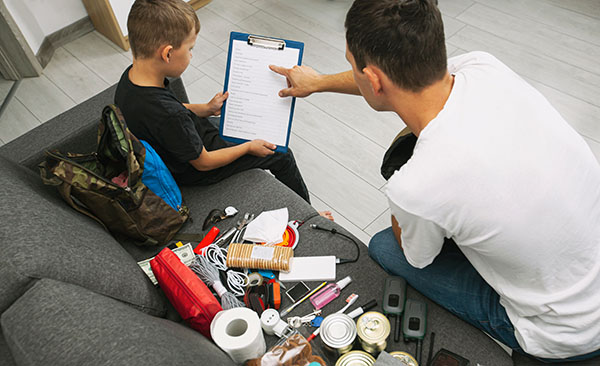
The COVID-19 lockdowns provided a stark, recent blueprint for what vanishes first from store shelves. Before any official announcement, prudent individuals should conduct a clear-eyed audit of their supplies.
Focus on filling gaps in your non-perishable food stockpile, ensuring you have at least a five-day supply per person, but ideally more.
Remember the scramble for toilet paper, yeast, bleach, rice and canned goods? These household staples are likely to be the first targets in a new rush. Doubling up on these items during regular shopping trips can build a crucial buffer.
Don't forget medications, first-aid supplies and hygiene products, including feminine care items and trash bags for sanitation.
Secure water and alternative power
BrightU.AI's Enoch AI engine explains that water access is paramount. Store at least one gallon of drinking water per person per day, plus extra for pets and hygiene. Water purification tablets and clean storage containers can expand your options if tap water becomes compromised.
For power, reliance on the grid is a vulnerability. A backup power supply is no longer a luxury for enthusiasts but a core component of modern readiness. Options range from power banks for phones to portable power stations that you can use to power essential devices and even small appliances for hours or days.
For true energy independence, solar generators, which recharge via sunlight, offer a sustainable solution during extended outages, keeping communications and critical devices operational.
Fortify your finances and work-from-home capability
Lockdowns carry severe financial repercussions, particularly for those in retail or hospitality. Building a cash reserve and cutting non-essential expenses now can provide a vital financial cushion.
Furthermore, the shift to remote work could return abruptly.
Ensure your computer is reliable and capable of handling video conferencing. A functional home office setup means you can maintain income and connectivity even if movement is restricted or fuel prices, potentially artificially inflated during a crisis, make commuting prohibitively expensive.
Plan for mobility and information
Your vehicle is a potential lifeline. Keep it well-maintained and its gas tank full.
In severe scenarios, consider storing extra fuel safely at home, as gas stations may be inoperable without power.
Develop an evacuation plan identifying a shelter location outside your immediate area, and consider preparing a "go-bag" with three days' worth of clothes, food, water and vital documents.
Staying informed is critical: sign up for local weather alerts and utility company notifications via text or call to receive updates on restoration times or rolling blackouts.
The compliance question
A future lockdown scenario may differ sharply from the pandemic experience. Political and social tensions are high, and compliance with restrictive measures cannot be assumed. This could lead to stricter enforcement mechanisms, including heightened monitoring or severe economic disincentives, such as skyrocketing fuel costs designed to compel compliance by making rebellion too expensive.
This environment underscores the necessity of personal preparedness. Not to resist, but to maintain autonomy and safety regardless of external pressures.
Hope for the best, prepare for the worst
While the hope is that such preparations prove unnecessary, the convergence of expert warnings on grid vulnerability, ongoing international conflict and recent historical precedent suggests otherwise. The cost of unpreparedness is potentially devastating.
By taking steps now to secure food, water, power and financial resilience, you are not engaging in fearmongering but practicing rational self-reliance.
In an era of instability, the most practical action is to ensure that, whatever happens, your household can remain secure, informed, and functional through the crisis.
Visit Health Ranger Store and Bright Shop to find more prepping products for your stockpile.
Watch this clip about Organic Quinoa, a must-have ancient superfood for your prepping stockpile.
This video is from the Health Ranger Store channel on Brighteon.com.
Sources include:








Please contact us for more information.