
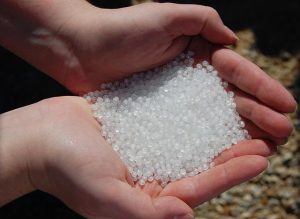
- Scratched non-stick pans release thousands of microplastics into food.
- A single crack can shed more than 9,000 particles.
- Worn plastic cookware releases the highest amounts of contaminants.
- These Teflon particles belong to the concerning PFAS chemical family.
- Using inert materials such as stainless steel eliminates this source of contamination.
That convenient non-stick pan in your kitchen cabinet may be easy to clean, but it is likely contaminating your meals with a hidden payload of plastic. Researchers using cutting-edge imaging technology have quantified for the first time how scratched Teflon-coated cookware releases microplastics and nanoplastics directly into food during cooking, estimating that a single surface crack can leave behind approximately 9,100 particles.
The study, published in the journal Science of the Total Environment, employed Raman imaging to scan the surfaces of non-stick pots. This process collects spectral data to create detailed chemical maps. To extract the extremely weak signal of tiny Teflon particles, scientists developed a new hybrid algorithm that combines principal component analysis (PCA) with an algebra-based method. This allowed them to effectively identify nanoplastics that were previously too difficult to detect using other methods.
A recipe for contamination
The findings of their study are alarming. The research estimates that a broken coating on this type of cookware could lead to the release of up to 2.3 million microplastics and nanoplastics during a mimic cooking process. "It gives us a strong warning that we must be careful about selecting and using cooking utensils to avoid food contamination," said study author Youhong Tang of Flinders University.
Teflon, or polytetrafluoroethylene (PTFE), is a fluoropolymer and a member of the per- and polyfluoroalkyl substances (PFAS) family, often called "forever chemicals" due to their environmental persistence. "Given the fact PFAS is a big concern, these Teflon microparticles in our food might be a health concern, [which] needs investigating because we don’t know much about these emerging contaminants," noted co-author Cheng Fang from the University of Newcastle.
Plastic in the pantry
This research dovetails with a separate investigation from the Plymouth Marine Laboratory, which examined microplastic release from a full suite of common kitchen items. That study used jelly as a food simulant and prepared it using plastic chopping boards, utensils, containers, and non-stick pans, comparing them to glass and stainless steel alternatives.
The results confirmed plastic cookware as a direct source of contamination. Food prepared with new plastic cookware contained significantly more microplastics than food prepared with non-plastic items. Older, worn plastic cookware released the highest load, contributing an estimated 2,400 to nearly 5,000 microplastics annually per meal prepared. PTFE particles were identified specifically from the non-stick pans.
The historical context makes this modern problem more urgent. For decades, consumers have been sold on the convenience of non-stick and plastic kitchenware, unaware of the potential for gradual material degradation. We've concentrated these synthetic materials in our airtight homes, creating a scenario where microscopic plastic particles have few avenues of escape except into our bodies.
The health implications of ingesting these particles are still being unraveled. Nanoplastics are of particular concern due to their minute size, which may allow them to cross cellular barriers and interfere with organ function. The chemicals used to manufacture plastics can also migrate from the particles into bodily tissues.
The solution, for now, appears straightforward but requires a conscious shift. Reverting to traditional cookware made from inert materials like cast iron, stainless steel, or glass can eliminate this specific source of contamination. It’s a simple step back to basics that could significantly reduce an invisible chemical burden, proving that sometimes the oldest tools in the kitchen are the cleanest.
Sources for this article include:







Please contact us for more information.