


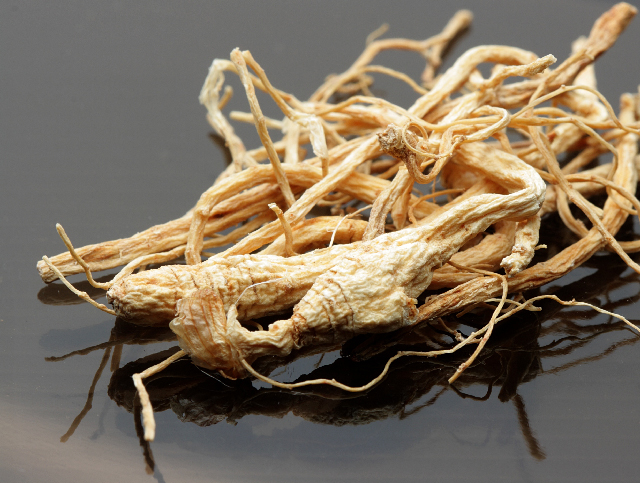
- Scientific research validates ancient adaptogens ashwagandha and ginseng for modern stress.
- They work by modulating the body's central stress response system to lower cortisol.
- These herbs reduce perceived stress and anxiety while also improving energy and performance.
- Usage requires caution due to potential side effects and recommended limited duration.
- Modern science confirms these timeless herbs offer a natural path to resilience.
Synthetic solutions might be everywhere these days, but a growing body of scientific research is turning the clock back, validating the power of two ancient herbal adaptogens: ashwagandha and ginseng. For individuals grappling with the relentless pressures of modern life, characterized by chronic stress and debilitating fatigue, these time-honored botanicals are emerging as potent, natural allies. Clinical studies now document their ability to fundamentally recalibrate the body’s stress response, lower cortisol, and boost energy, offering a holistic path to resilience that pharmaceuticals often fail to provide.
This news couldn't come at a better moment because we are in the middle of a silent stress epidemic. The pursuit of a natural, foundational approach to well-being is not a trend but a necessary return to wisdom. Ashwagandha, a cornerstone of Ayurvedic medicine for more than 3,000 years, and ginseng, a pillar of Traditional Chinese Medicine, represent this very wisdom. Their newly confirmed mechanisms of action provide a scientifically-grounded alternative for those seeking to escape the cycle of burnout without reliance on prescription interventions.
How these adaptogens tame stress and fuel vitality
The magic of these herbs lies in their classification as adaptogens, substances that help the body resist stressors. Their primary target is the hypothalamic-pituitary-adrenal (HPA) axis, the body’s central stress response system. By modulating this axis, both herbs help lower the stress hormone cortisol. Ashwagandha may further reduce stress by enhancing the calming effects of the neurotransmitter GABA in the brain.
The result is a significant reduction in perceived stress and anxiety. One study found participants taking ashwagandha extract had significantly reduced perceived stress and cortisol levels compared to a placebo group, with noted improvements in sleep quality. This is crucial, as poor sleep and high cortisol create a vicious cycle that undermines health.
A dual approach to boosting energy and performance
Beyond calming the mind, these herbs actively fuel the body. Ashwagandha combats feelings of fatigue and has been shown to improve mental focus, concentration, and athletic performance, aiding in muscle recovery. It promotes energy by supporting restful sleep, reducing inflammation, and, in men, may help by supporting healthy testosterone levels.
Ginseng’s role in energy is equally profound. Research confirms it improves exercise endurance and performance. It works by increasing the body’s energy reserves, lowering biochemical markers of fatigue like lactic acid, and blocking exercise-induced free radicals. One study noted that adults taking ginseng in the morning reported feeling more energetic and healthier.
For those considering a combined approach, the herbs are likely safe to take together, according to an older animal study. However, dedicated research on their synergistic effects in humans is still needed. Practical guidance suggests taking ashwagandha in the evening due to its potential drowsiness effect, while ginseng is best taken in the morning to boost daily energy and avoid its potential side effect of insomnia.
A few caveats
While promising, these potent herbs demand respect and informed use. Experts recommend limiting ashwagandha use to three months and ginseng to six months due to a lack of long-term safety data. Potential side effects for ashwagandha include drowsiness and gastrointestinal issues, and it may interact with medications for diabetes, blood pressure, and seizures. Importantly, ashwagandha should be avoided by pregnant or breastfeeding women, people with autoimmune or thyroid disorders, and those scheduled for surgery.
Ginseng may cause insomnia, liver damage, or allergic reactions in some individuals and is not recommended for children or during pregnancy and breastfeeding. It can also interact with diabetes medications, potentially lowering blood sugar too far. Therefore, it's a good idea to talk to your healthcare provider before proceeding.
In validating these ancient remedies, modern science is not discovering something new, but rather confirming something timeless. For individuals feeling crushed by the weight of daily stress or sapped of vitality, this research offers a powerful, natural key – not to a quick fix, but to a more resilient state of being. It reminds us that sometimes, the most advanced solutions are those that have quietly sustained humanity for millennia.
Sources for this article include:











Please contact us for more information.